
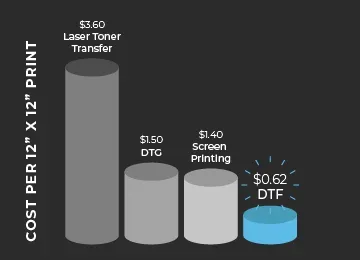
The cost-effectiveness of DTF printing is quickly becoming a game changer for startups aiming to make their mark in the vibrant world of custom apparel. With its lower financial entry point compared to traditional screen printing, DTF (Direct to Film) printing offers an attractive solution for businesses seeking affordable printing solutions without sacrificing quality. Startups can capitalize on this innovative technology to produce intricate designs on various fabrics, allowing them to respond dynamically to market trends. As this method gains popularity, it presents a unique opportunity for budding entrepreneurs to not only showcase their creativity but also manage costs effectively. By understanding the cost-effectiveness of DTF printing, startups can navigate the competitive landscape with confidence, harnessing its benefits to build a strong brand presence in the industry.
In the quest for impactful printing techniques, Direct to Film (DTF) printing emerges as a promising alternative for businesses looking to establish themselves in the custom apparel sector. This method stands out as one of the most affordable printing solutions available, captivating new enterprises seeking innovative ways to engage their customers. DTF printing combines the freedom of digital printing with the efficiency of heat transfer, positioning it as a viable screen printing alternative for those wanting to produce high-quality designs on a variety of materials. Its versatility and lower upfront costs are crucial aspects that enable startups to maneuver flexibly within this ever-evolving market landscape. As we delve deeper into the financial advantages and operational efficiencies offered by DTF printing, the potential for significant growth in the custom apparel market becomes increasingly clear.
Understanding DTF Printing and Its Applications
DTF printing, or Direct to Film printing, is rapidly becoming a preferred method for startups looking to break into the custom apparel industry. This innovative technique allows for high-resolution images to be printed on versatile films, which can then be heat transferred onto various fabrics. The application of DTF printing spans numerous industries, from fashion to promotional products. This versatility is particularly attractive to new businesses eager to explore creative designs without the constraints of traditional printing methods.
One of the standout features of DTF printing is its ability to produce an array of intricate and vibrant designs on different materials, including cotton, polyester, and blends. Startups can leverage this technology to cater to diverse customer preferences, ensuring that their product offerings remain fresh and appealing. This adaptability makes DTF printing an invaluable tool in the competitive landscape of custom apparel, allowing businesses to respond quickly to changing market demands.
The Cost-Effectiveness of DTF Printing
A critical advantage of DTF printing is its cost-effectiveness for startup enterprises. Compared to traditional screen printing, which can involve substantial capital investment in equipment and setup, DTF printing provides a much more accessible entry point for entrepreneurs. The necessary machinery, such as DTF printers and heat presses, is generally lower in cost, allowing businesses to manage their budgets more effectively while still offering high-quality products.
Moreover, DTF printing presents a more economical choice in the long run due to reduced setup costs and the capability to print small runs on demand. This feature is particularly beneficial for startups testing various designs and targeting niche markets without incurring excessive overhead. By minimizing unnecessary inventory and production waste, startups can enhance profitability while maintaining the flexibility to pivot their strategies as market trends evolve.
Market Growth: DTF Printing Trends for Startups
As consumer preferences shift towards personalized and unique apparel options, the DTF printing market is witnessing remarkable growth. Startups that embrace these trends can create tailored products that resonate with consumer desires for self-expression and individuality. This growing demand for custom apparel aligns well with the strengths of DTF printing, allowing new businesses to capture market share by offering innovative and personalized solutions.
The expansion of the DTF printing market is not just about increasing sales; it also highlights a shift towards more sustainable printing solutions. With consumers becoming increasingly environmentally conscious, startups can differentiate themselves by offering eco-friendly products made possible through efficient DTF printing processes. By focusing on sustainable practices, new businesses can carve out a niche in a rapidly evolving market, securing a loyal customer base.
Operational Flexibility with DTF Printing
The flexibility afforded by DTF printing is another reason for its growing popularity among startups. Startups often face rapid changes in fashion trends and consumer demands, and DTF technology enables them to stay ahead of the curve. Businesses can quickly adapt their product lines, introducing new designs and variations without the extensive lead times associated with traditional screen printing methods.
This operational agility is crucial for maintaining competitiveness in the fast-paced apparel market. Startups can efficiently respond to new opportunities and avoid the pitfalls of overstocking or underproducing, which are common challenges faced by businesses with rigid production methods. DTF printing effectively supports the dynamic nature of fashion trends, ensuring that startups can pivot and innovate in response to real-time consumer feedback.
Quality Control: Ensuring Consistency in DTF Printing
Quality control is essential for any startup, particularly in the crowded apparel market where consumer expectations are high. While DTF printing allows for the quick production of designs, it also comes with the challenge of maintaining consistency across prints. Variability can occur due to subpar equipment or inadequate materials, which could potentially damage the brand’s reputation.
To mitigate these risks, startups must invest in high-quality DTF printers and supplies. Furthermore, establishing strict quality control measures throughout the production process can ensure that all products meet or exceed customer expectations. By prioritizing quality, startups can build trust and loyalty among their consumers, making it a foundational aspect of their business strategy.
Training and Development: Investing in Skillset for DTF Printing
In addition to investing in good equipment, startups must also focus on training their team to effectively utilize DTF printing technology. Operating DTF printers and achieving consistently high-quality results require a level of expertise that often necessitates specialized training programs. By ensuring that staff are well-prepared to manage both the technology and design aspects, startups can avoid common pitfalls and enhance productivity.
Training goes beyond simply operating machinery; it includes understanding the nuances of color management, material compatibility, and design application. Companies that prioritize comprehensive skill development will find that the long-term benefits far outweigh the initial investment. This commitment to continuous learning fosters an environment of innovation, empowering startups to unleash their creative potential and stay competitive in the fast-evolving apparel landscape.
Frequently Asked Questions
What makes DTF printing a cost-effective choice for startups?
DTF printing is a cost-effective choice for startups due to its low initial investment, reduced setup costs, and the ability to print on various materials. Unlike traditional screen printing, which requires expensive equipment and setup, DTF printing relies on affordable printers and heat presses, making it accessible for budget-conscious businesses.
How does DTF printing compare with screen printing in terms of cost-effectiveness?
In terms of cost-effectiveness, DTF printing outshines screen printing as it does not require multiple screens for different colors, significantly reducing both setup costs and preparation time. Additionally, DTF printing minimizes waste through efficient material usage, making it a more sustainable choice for startups eager to offer custom apparel.
Can DTF printing help startups compete in the custom apparel market affordably?
Yes, DTF printing can help startups compete affordably in the custom apparel market. Its capability to produce high-quality and vibrant designs at low costs allows new businesses to introduce unique products without hefty investments. This flexibility enables startups to quickly adapt to market trends, further enhancing their competitiveness.
What should startups consider regarding quality control in DTF printing?
Startups should prioritize quality control in DTF printing by investing in reliable printers and high-quality materials. While DTF offers cost-effective solutions, variances in print quality can occur with subpar equipment. Maintaining high standards is critical for ensuring customer satisfaction and long-term success in the custom apparel market.
How do startup operational costs decrease with DTF printing compared to other methods?
Startup operational costs decrease with DTF printing due to its quick turnaround times and reduced need for large inventory. As DTF allows for small batch productions without incurring high overhead costs, startups can effectively meet consumer demands while minimizing expenses typically associated with traditional printing methods.
Is DTF printing a sustainable option for budget-conscious startups?
Absolutely! DTF printing is considered a sustainable option as it uses less ink and materials, directly lowering waste. With the increasing demand for eco-friendly practices, startups can leverage DTF printing not only to reduce costs but also to enhance their brand’s appeal by offering printing solutions that align with sustainable consumer values.
| Key Point | Details |
|---|---|
| Introduction | DTF printing is a cost-effective method for startups looking to establish their brands. |
| Low Initial Investment | Requires less investment than traditional screen printing setups, making it accessible for startups. |
| Reduced Setup Costs & Time | The elimination of extensive setups allows for quicker production and less overhead. |
| Material Efficiency | Minimizes waste; uses less ink and reduces unsold inventory. |
| Market Growth | Increasing demand for custom apparel provides opportunities for startups. |
| Operational Flexibility | Startups can quickly adapt designs to respond to market changes. |
| Quality Control | Importance of maintaining print quality to meet customer expectations. |
| Training Needs | Staff training on DTF equipment is essential for quality results. |
Summary
The cost-effectiveness of DTF printing makes it an attractive choice for startups looking to enter the competitive custom apparel market. By lowering initial investment costs, reducing setup times, and maximizing material efficiency, this printing method provides a solution that aligns with the budget constraints faced by new businesses. Moreover, the current market trend towards personalized apparel and sustainability further enhances the viability of DTF printing as a strategic option. However, it is crucial for startups to focus on quality control and invest in training to ensure the best outcomes. Ultimately, DTF printing stands as a powerful tool for startups aiming to innovate while maintaining financial prudence.