
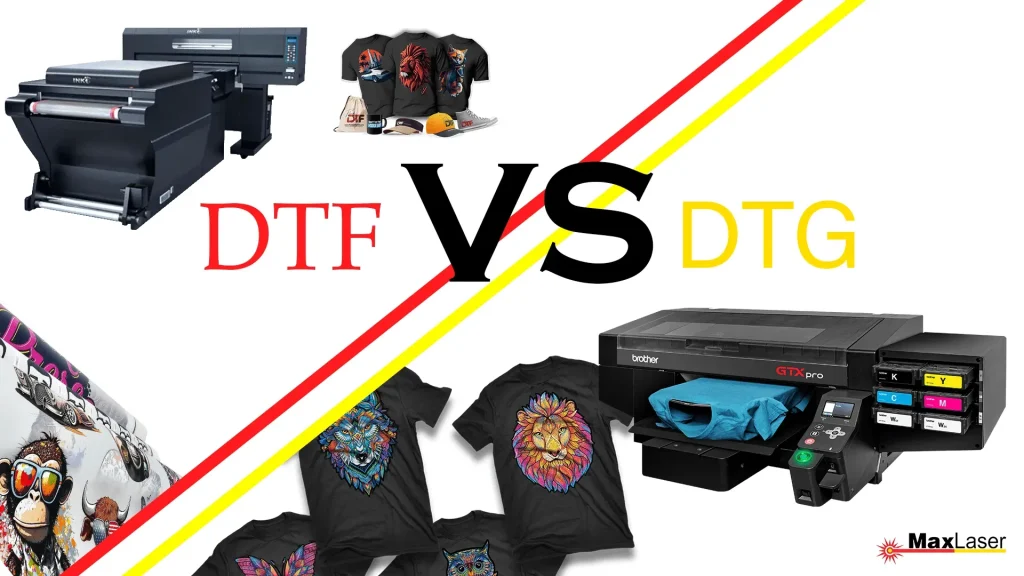
When launching a clothing line in California, the choice between California DTF vs DTG can define your product quality, margins, and speed to market. This decision often comes down to a clear DTF vs DTG comparison that weighs fabric versatility, cost-per-item, and production throughput. The goal is to understand how each method handles color, texture, and durability so you can optimize your workflow. Choosing wisely can influence your margins and the customer experience across a growing product line. This overview sets the stage for deeper questions about best practices in apparel printing and brand strategy, supporting scalable growth and profitability.
In line with Latent Semantic Indexing (LSI) principles, the discussion uses alternative terms to describe the two approaches. The DTF printing advantages include broader substrate compatibility and strong color saturation on blends and synthetics, while the DTG pathway favors cotton-rich fabrics with a soft hand. When brands evaluate the options for a growing line, testing color accuracy, durability, and wash performance helps identify the right balance. For teams pursuing Custom t-shirt printing California, a blended approach—DTF for non-cotton items and DTG for cotton basics—can offer both versatility and premium feel. Pilot programs and supplier-backed testing guide your long-term strategy toward scalable, customer-friendly outcomes.
California DTF vs DTG: Choosing the Right Printing Path for Your Custom T-Shirt Printing California
In California, choosing between Direct-to-Film (DTF) and Direct-to-Garment (DTG) can shape product quality, margins, and speed to market for your custom t-shirt printing California business. This decision isn’t just about technology; it’s about how the method fits your brand goals, production workflow, and customer expectations. Understanding the nuances of DTF versus DTG helps you map a path that supports growth, sustainability, and consistent color across a diverse fabric lineup.
When you assess California DTF vs DTG, consider fabric flexibility, order profile, and the sustainability of your supply chain. DTF’s film-transfer approach often accommodates blends and synthetics, while DTG’s direct ink on cotton shines with soft hand-feel and high-detail art on cotton-rich garments. For a California brand, this translates into decisions about custom t-shirt printing California, equipment investment, and the logistics of a scalable print operation.
DTF vs DTG comparison: Process, Feel, and Durability Across Fabrics
DTF and DTG employ distinct workflows that affect final print quality, hand feel, and wash durability. DTG prints directly onto fabric with water-based inks and typically benefits from pre-treatment for light fabrics and darker tones, delivering soft hand and high-resolution imagery on cotton. DTF prints onto a film that is later bonded to fabric with adhesive powder and heat, enabling vibrant color on a broad range of fabrics, including blends and synthetics.
For brands evaluating the DTF vs DTG comparison, the practical implications matter most: substrate compatibility, required pretreatment, and post-print finishing. In California’s dynamic market, the right choice often hinges on whether you need a wide fabric palette, faster setup for mixed-product lines, or a softer, cotton-centric feel that aligns with your “Best printing method for apparel” goals.
DTF printing advantages: Versatility, Color, and Cost for California Brands
DTF printing advantages include substrate flexibility, strong color vibrancy, and efficient handling of mixed-material product catalogs. Because DTF can be used on cotton, blends, and synthetic fabrics, California brands can consolidate production, simplify inventory, and reduce SKU-specific bottlenecks. This versatility is especially valuable for custom t-shirt printing California environments where rapid iteration across fabrics is common.
Additionally, DTF often offers favorable cost-per-item for small to mid-sized runs, with less reliance on pretreatment per fabric type. In practice, this means a streamlined workflow from design to final product and the potential to expand a product line into performance fabrics or performance blends without repeatedly retooling. California print shops frequently report that the ability to print on diverse substrates translates into faster launches and broader seasonal collections.
DTG printing advantages: Soft Hand, Detail, and Cotton-Focused Performance
DTG printing advantages center on soft hand feel and high-detail reproduction, especially on cotton garments. Direct-to-garment inks sit within the fabric matrix, enabling smooth gradients, photorealistic imagery, and subtle color transitions when paired with proper pre-treatment and cure. For brands prioritizing a premium look and feel on cotton tees, DTG’s ability to render intricate artwork with a soft touch is a strong differentiator.
However, DTG can be less forgiving on blends or non-cotton fabrics, where color accuracy and edge sharpness may require additional workflow tuning. In California’s market, where consumers demand comfort and image quality, DTG printing advantages often pair best with a cotton-first product strategy and a targeted on-demand production model. A balanced approach may still be prudent when your catalog includes performance fabrics or blends.
Best printing method for apparel: Aligning Fabric, Throughput, and Brand Strategy in California
Best printing method for apparel decisions hinge on fabric types, order size, and your brand strategy. If your line emphasizes soft cotton and high-detail artwork, DTG on cotton garments can deliver premium visuals and a gentle hand. If you require versatility across fabrics, bold color on blends, and a broader product range, DTF presents compelling advantages for California brands with mixed SKUs.
A practical path is to pilot both methods on select SKUs to measure color accuracy, wash durability, and customer response. Consider a blended approach—using DTG for flagship cotton items and DTF for non-traditional textiles or seasonal ranges—to optimize speed, margins, and sustainability. In California, where supplier networks and regional demand influence printing decisions, running a controlled pilot helps you balance brand experience, cost, and scalability.
Frequently Asked Questions
California DTF vs DTG: What is the DTF vs DTG comparison and how should I choose for my apparel line?
DTF vs DTG comparison: In California, the right choice depends on fabric range, image quality, costs, and speed. DTG delivers a soft hand and high-detail prints on cotton but often needs pre-treatment for darker fabrics and can be pricier for high-volume runs. DTF prints on a transfer film and works well on cotton, blends, and synthetics, usually with strong color and fewer fabric constraints. For a new line, run a small pilot across your typical fabrics to compare color, feel, and lead times, then pick the method that best fits your product mix and margins.
DTF printing advantages for custom t-shirt printing California: how does it compare to DTG?
DTF printing advantages: DTF offers broad fabric compatibility (cotton, blends, polyester), punchy color, and typically lower upfront equipment costs than large DTG systems. It can simplify a California custom t-shirt printing program by handling multiple fabrics with one workflow, reducing SKU complexity. Pre-treatment is often minimal, and the transfer is robust on many substrates. Note that hand feel can be stiffer due to the film transfer, so test on your key garments before committing.
What are the DTG printing advantages when weighing DTF vs DTG in California for the best printing method for apparel?
DTG printing advantages: DTG excels on cotton garments with a soft hand feel and excellent detail, especially for photographs or gradients when properly pre-treated and cured. It performs best on cotton-rich fabrics but can struggle with blends and dark fabrics at scale, where white underbases and extra steps add cost. For premium cotton lines in California, DTG often delivers the clearest, most subtle color transitions and a luxe feel.
How do I decide between DTF vs DTG for custom t-shirt printing California: cost, speed, and fabric compatibility?
To decide between DTF vs DTG for California apparel printing, evaluate fabrics (cotton vs blends), typical order size, and required throughput. DTG is often faster for small, on-demand runs on cotton with a soft hand, while DTF offers flexibility across fabrics and can reduce SKU-related bottlenecks. Run a small pilot to measure color accuracy, wash durability, and total cost per item, then choose a path that matches your brand’s speed, quality, and margin goals.
What factors should a California brand consider to pick the best printing method for apparel: DTG vs DTF, or use a blended approach?
Factors to pick the best printing method for apparel in California: target fabrics, design complexity, order velocity, and sustainability goals. A blended approach—DTG for flagship cotton items and DTF for blends and performance fabrics—often yields the best balance of quality, speed, and cost in the California market. Always pilot with representative SKUs to verify color, durability, and customer feedback before scaling.
| Aspect | Key Points |
|---|---|
| What are DTF and DTG, and how they differ |
|
| Quality, color, and feel |
|
| Production costs and scalability |
|
| Turnaround time |
|
| Materials, equipment, and workflow |
|
| Durability and washability |
|
| Brand-fitting: which method aligns with your business model |
|
| Case scenarios for California brands |
|
| How to decide: practical brand-fit framework |
|
| California factor: market expectations and supplier networks |
|
| Art and workflow optimization |
|
| Final considerations and recommendations |
|