
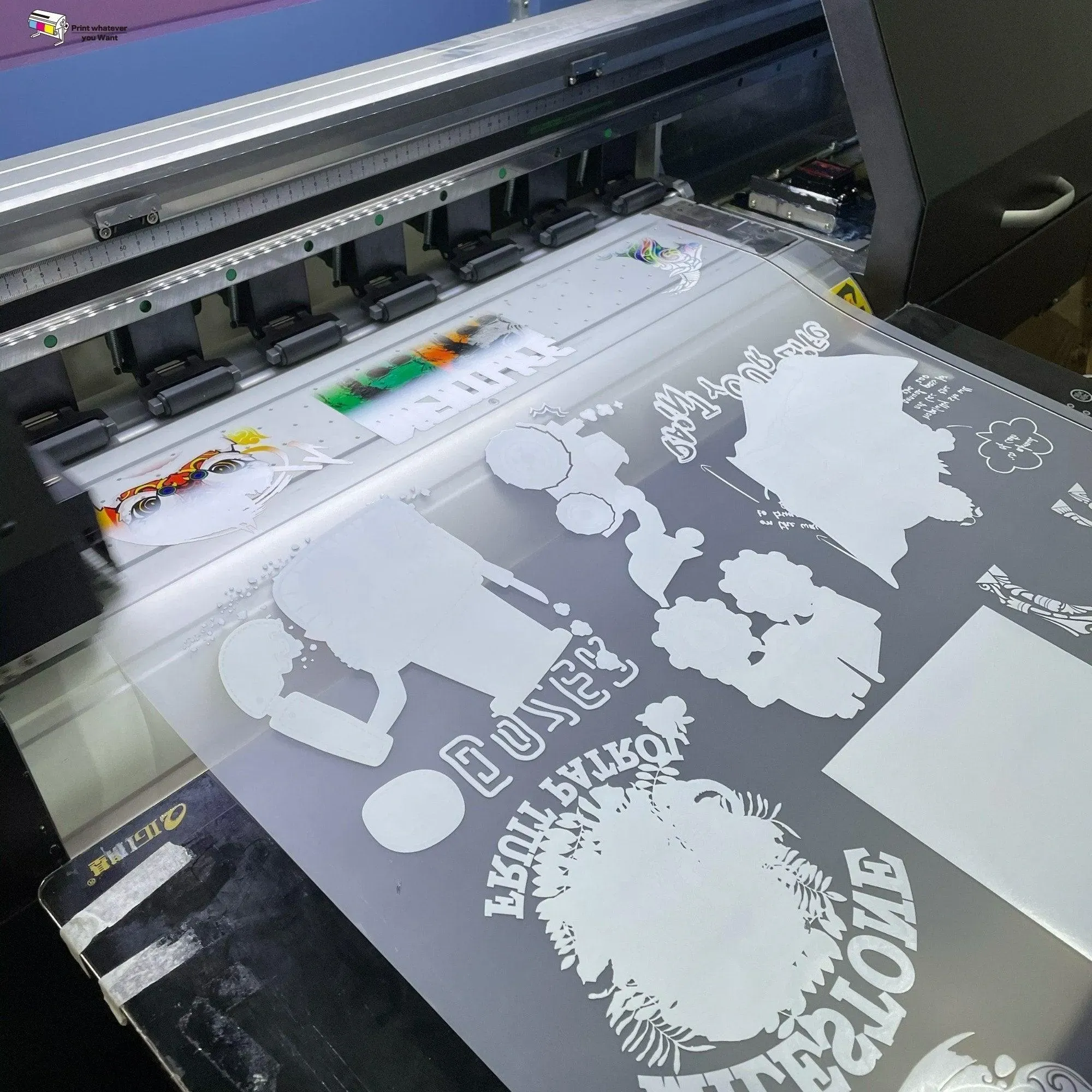
California DTF printing business opportunities are booming as designers demand fast, vibrant apparel solutions. Direct-to-film (DTF) technology delivers durable prints on a wide range of fabrics, helping you compete with established methods. This introductory guide outlines how to set up, select DTF printing equipment and supplies, license, and market a DTF operation in California. By understanding DTF licenses and permits California and tapping into opportunities offered by DTF printing in California, you can build steady demand. With a clear plan and execution, you can start a DTF printing business and grow from idea to operation.
A modern, DTF-driven garment decoration venture in the Golden State blends digital design with reliable transfers. Rather than a single technique, this approach leverages material science, heat-press workflows, and film-based transfers to achieve durable, vibrant results. From selecting compatible equipment and supplies to understanding compliance and sustainability, the focus is on a scalable, client-centric production pipeline. In practical terms, think in terms of custom apparel printing California and CA-based direct-to-film workflows to optimize content and reach local customers.
1) California DTF printing business: Laying the groundwork
Starting a DTF printing venture in California begins with a clear market view and a practical plan. The state’s diverse demand—from schools and local clubs to boutique brands and event teams—creates opportunities for rapid testing and iterative growth. When you map the market, consider where you can deliver the most value, whether through quick turnarounds for teams or limited-edition runs for indie labels, and align your offering with what DTF printing in California customers expect: vibrant color fidelity, durable prints, and dependable service.
If you’re ready to start a DTF printing business, outline your niche, product mix, and target clients. This early validation reduces risk and guides capital allocation for equipment, supplies, and staffing. Keep in mind the regulatory and licensing terrain as you sketch milestones, because a solid foundation today supports smoother operations tomorrow. Embrace the idea that your California DTF printing business will grow through repeat orders, partnerships with local designers, and a robust online storefront.
2) Choosing the Right DTF Printing Equipment and Supplies for California
Your backbone is the right combination of DTF printing equipment and supplies. A reliable DTF printer, a heat press with versatile platen sizes, and a dependable drying or curing setup form the core of production. In California, you’ll also want access to films, powders, and inks that deliver consistent results across cotton, blends, and synthetics. When evaluating options, prioritize total cost of ownership, manufacturer support, and the availability of compatible substrates that expand your design possibilities.
Plan for a workflow that minimizes waste and downtime. Look for suppliers with local or regional support in California, easy-to-replace components, and clear guidance on maintenance. Investing in quality DTF printing equipment and supplies reduces rework, increases output, and helps you meet the expectations of California customers who demand high-quality, durable apparel prints.
3) DTF Licenses and Permits California: Compliance for Your Studio
Operating legally in California means understanding the permits, registrations, and licenses required for a DTF printing business. Start by choosing a business structure (sole proprietorship, LLC, or corporation) and registering with the California Secretary of State as needed. You’ll almost certainly need a Seller’s Permit from the California Department of Tax and Fee Administration (DTFA) to collect sales tax on taxable merchandise, and additional city or county licenses may apply based on your location and services.
Part of your early setup should include a clear plan for DTF licenses and permits California requirements. Protecting personal assets with an LLC or corporation can be wise in the long run, and staying compliant with local environmental, safety, and labor regulations supports sustainable growth. Build a compliance calendar that reminds you when licenses need renewal and what documentation is required for inspections or audits.
4) Design, Color Management, and Production Workflow for DTF in California
A strong design and production workflow starts long before the first print. Invest in accessible design software and establish color management practices to ensure consistency across runs. In California’s competitive market, color accuracy and repeatability are essential for reliability across orders from schools, clubs, and boutique brands that demand vibrant, compliant finishes for custom apparel printing California.
Create a standardized production process that moves from pre-press checks to printing, powdering, curing, and post-processing. Document step-by-step procedures so technicians can reproduce outcomes, and train staff to handle different fabrics and finishes. As you scale, refining these workflows will reduce stray prints, shorten lead times, and reinforce your reputation as a dependable California DTF printing business.
5) Pricing, Marketing, and Scaling Your California DTF Printing Business
A sound pricing strategy underpins profitability. Itemize fixed costs (equipment depreciation, rent, utilities) and variable costs (films, inks, garment purchases), then set price points that cover expenses and deliver healthy margins. Consider tiered pricing for bulk orders, rush fees, and recurring client models to incentivize long-term partnerships, all while ensuring you remain competitive in the California market.
Marketing and growth hinge on a blend of digital and local outreach. Build an optimized website with e-commerce capabilities, and craft content that targets keywords such as DTF printing in California and custom apparel printing California to improve discoverability. Combine this with local outreach to schools, sports teams, clubs, and indie brands, plus partnerships with other printers and event organizers to generate referrals. As demand grows, explore scaling opportunities like additional printers, expanded workspaces, or a broader product line to solidify your position in the California DTF printing ecosystem.
Frequently Asked Questions
What is the California DTF printing business and how do you start a DTF printing business?
The California DTF printing business is a direct-to-film apparel printing service operating in California. To start a DTF printing business, validate demand in your area, select a business structure (LLC, sole proprietorship, etc.), register with state and local authorities, obtain a seller’s permit, secure a suitable workspace, acquire reliable DTF printing equipment and supplies, and plan marketing and pricing.
What are the key requirements for DTF licenses and permits California?
DTF licenses and permits California requirements vary by city and county. Typically you’ll need a business license, a seller’s permit to collect sales tax, and possibly local permits for your shop. Check with the California Department of Tax and Fee Administration and your city for specifics, and ensure compliance with safety, zoning, and environmental rules.
What equipment and supplies are essential for a California DTF printing business?
A successful California DTF printing business relies on quality DTF printing equipment and supplies: a reliable DTF printer, a compatible heat press, curing or drying equipment, DTF powders and films, inks, and proper ventilation. Plan for total cost of ownership, maintenance, and local support when choosing manufacturers.
How can a California DTF printing business deliver strong custom apparel printing California results?
Focus on niche offerings for custom apparel printing California, build a repeatable design and production workflow, and partner with local brands, schools, clubs, and events. Use SEO-friendly product pages that emphasize DTF printing in California and showcase portfolio work to attract both local and online customers.
What factors influence pricing and profitability for DTF printing in California?
Profitability comes from controlling fixed and variable costs, sourcing affordable garments, and pricing for value. In California, consider regional demand, competition, rush fees, and volume discounts. Build a financial plan around the costs of DTF printing equipment and supplies, utilities, rent, and labor to set sustainable price points.
| Key Point | Summary |
|---|---|
| Opportunity in California | DTF printing in California is thriving across diverse markets and regions, enabling both B2B partnerships and direct-to-consumer services. |
| Define your niche | Identify target customers and products (e.g., shirts, hoodies, bags, posters); validate demand with local schools, clubs, teams, and indie brands to guide positioning. |
| Legal structure, registrations, and licenses | Choose a business structure (sole prop, LLC, or corporation); obtain a Seller’s Permit (DTFA) and any required city/county licenses; plan for DTF licenses and permits California as part of setup. |
| Equipment and supplies | Invest in a reliable DTF printer, heat press, curing equipment, and a full line of powders, films, and inks; consider total cost of ownership and local support in California. |
| Design processes and production workflow | Develop a standardized workflow: pre-press checks, print, powder application, cure, and post-processing; implement color management and scalable design tools. |
| Pricing, costs, and financial planning | Itemize fixed and variable costs; set competitive, value-based pricing with potential bulk and subscription options; forecast cash flow for growth. |
| Brand, marketing, and sales | Build an SEO-friendly website with product-tag optimization (e.g., DTF printing in California, custom apparel printing California); use social proof and local partnerships. |
| Operations, fulfillment, and customer experience | Define order intake, lead times, shipping policies, inventory management, and transparent tracking to foster reliability and repeat business. |
| Compliance, safety, and sustainability | Implement ventilation, MSDS practices, and responsible disposal; pursue sustainable procurement and waste reduction where feasible. |
| Scaling thoughtful growth | Plan for capacity expansion (more printers, larger presses) with scalable processes and secure supplier terms to protect quality and margins. |
Summary
California DTF printing business opportunities are best realized when you start with a clear plan. This descriptive guide outlines validating demand, navigating California licensing requirements, selecting reliable DTF printing equipment and supplies, and building a production and marketing system tailored to California clients. By balancing creative design with disciplined operations, exceptional customer service, and sustainable practices, your California DTF printing business can become a trusted source of high-quality custom apparel for schools, teams, brands, and individuals across the state.