
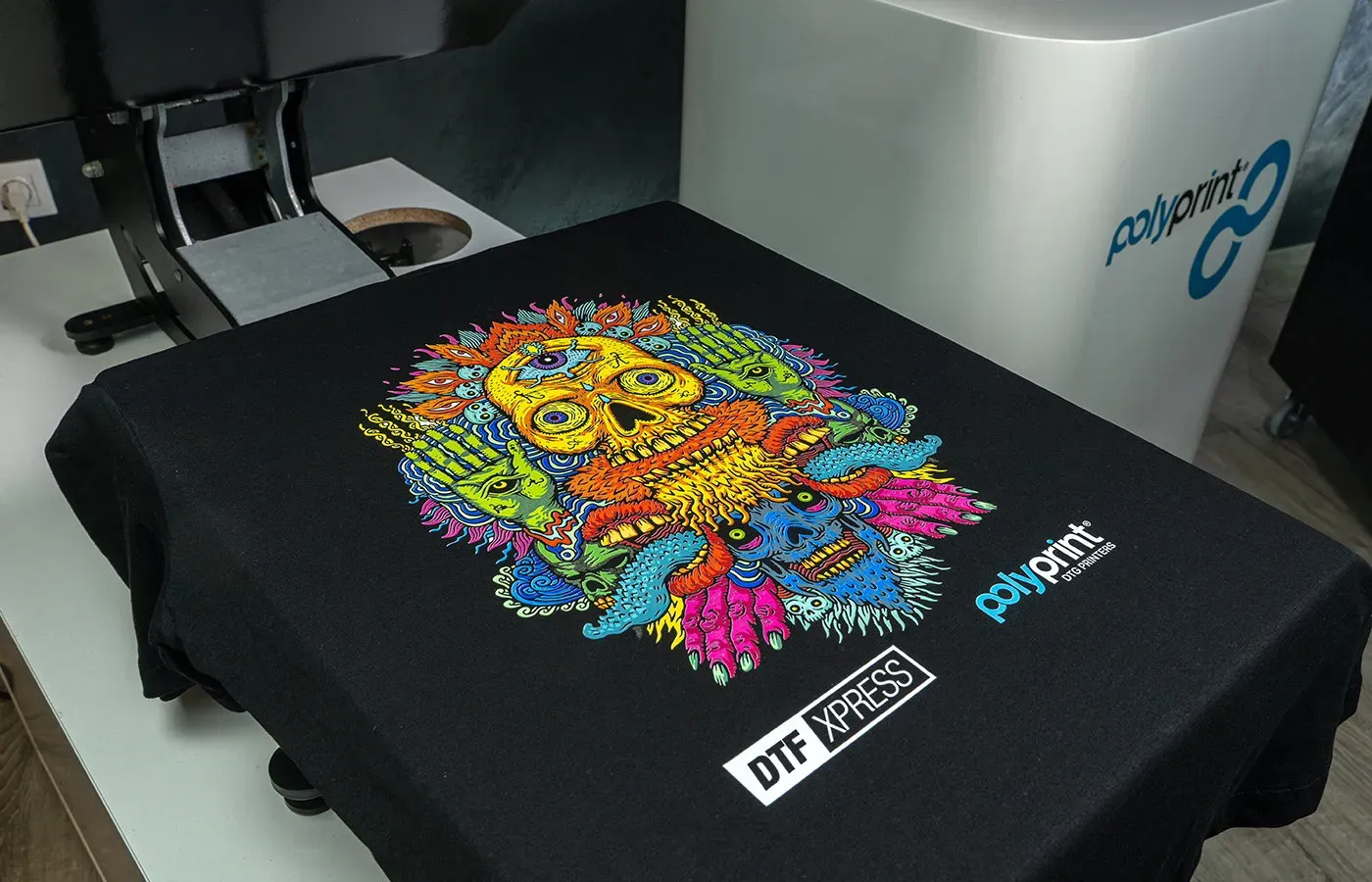
In the dynamic landscape of modern printing technology, **DTF printing** (Direct to Film) stands out as a game-changer, providing an innovative alternative to traditional methods like screen printing and direct to garment (DTG) printing. This printing technique is rapidly gaining traction due to its impressive versatility and ability to produce high-quality designs on various fabrics. As we explore the comparison of DTF vs. traditional printing methods, it's clear that DTF printing offers distinct advantages, particularly for small production runs and custom designs. Its unique process not only enhances efficiency but also delivers vibrant colors and intricate details that traditional methods may struggle to achieve. Join us as we dissect the benefits and limitations of DTF printing and discover why it’s becoming the preferred choice for modern apparel projects.
The realm of textile printing is continuously evolving, and alternative terminologies like Direct to Film (DTF) printing and custom transfer printing are taking center stage. This technique utilizes advanced printing methods that allow for intricate designs to be transferred onto a wide range of fabrics, surpassing the limitations of older processes such as screen printing and direct to garment printing. With a focus on flexibility and detail, DTF printing is positioning itself as a revolutionary option in the printing methods landscape. By comparing DTF to traditional printing methods, we can highlight its distinct advantages, particularly its cost-effectiveness and suitability for small batches. This article aims to provide insight into the comparative landscape of DTF print advantages and other popular printing techniques.
DTF Printing: A Game Changer in Custom Apparel
DTF printing has revolutionized the custom apparel landscape by introducing a method that enhances both creativity and efficiency. Unlike traditional screen printing, which often limits designs due to its complex setup and material restrictions, DTF allows for a wide range of fabric types, enabling designers to experiment freely. This capability opens doors for custom apparel creators looking to target niche markets, where distinct designs are essential for standing out.
Moreover, the technology behind DTF printing ensures that colors remain vibrant and true to the original design, even on challenging fabrics such as polyester. The ability to achieve high-quality prints with intricate details makes DTF an attractive option for businesses focusing on personalized products. This versatility not only caters to various consumer preferences but also meets the demands of an evolving fashion market.
Comparing DTF and Screen Printing
When it comes to comparing DTF printing and traditional screen printing, several factors come into play, particularly in production efficiency and quality. Screen printing, while known for its durability and vibrant color applications, often requires extensive preparation time and is cost-effective only for large orders. In contrast, DTF printing simplifies the process significantly, allowing for quicker turnaround times on smaller runs. This means that businesses can offer customized products without the need for hefty minimum order quantities, aligning perfectly with current consumer trends.
Furthermore, DTF printing excels by utilizing high-quality inks that maintain their boldness and clarity on various materials, making it a strong choice where detail is crucial. While traditional screen printing relies heavily on setup and labor for each color layer, DTF's straightforward process encourages innovative designs without the overhead of traditional methods. This comparison not only highlights DTF's advantages in flexibility but also reveals its capacity to address market demands more efficiently.
Understanding Direct to Garment (DTG) Printing
Direct to Garment (DTG) printing is another modern printing method that directly applies ink onto fabric, much like DTF. While DTG is capable of producing highly intricate designs, it often faces challenges, especially when printed on darker materials. The pre-treatment process necessary for dark fabrics can add complexity and time to production, making it less favorable for quick, custom orders compared to DTF printing.
Additionally, DTG printing may not provide the same level of vibrancy as screen printing or DTF due to ink absorption variations on different fabric types. As a result, those looking for highly versatile printing options may find that DTF offers superior outcomes, especially when layering colors and creating rich designs. This insight into DTG's limitations emphasizes the benefits of exploring DTF as a flexible solution for on-demand fashion needs.
Exploring the Advantages of DTF Printing
The advantages of DTF printing extend beyond mere fabric compatibility. One significant benefit lies in its cost-effectiveness, particularly for small runs. DTF technology drastically reduces setup costs compared to screen printing, making it an ideal choice for businesses working with limited budgets or those debuting new product lines. The ability to produce high-quality prints economically encourages experimentation, fostering a creative environment for designers and small manufacturers alike.
Additionally, DTF printing supports quick production timelines, addressing the increasing demand for fast fashion and rapid customization. Businesses can efficiently create vibrant designs without sacrificing quality or durability, appealing to consumers who value uniqueness in their apparel. Thus, the advantages of DTF printing are particularly relevant in today's fast-paced market environment, where the ability to quickly adapt to trends is paramount.
Limitations of DTF Printing in the Market
While DTF printing boasts numerous advantages, it is essential to acknowledge its limitations in comparison to established methods. One key challenge is the consistency of output, as DTF technology is still evolving and may not yet match the reliability and proven track record of screen printing. Variabilities in curing techniques and demands for meticulous temperature control can result in discrepancies in print quality, particularly if practitioners are inexperienced with the process.
Additionally, some businesses may find that the initial investment in DTF equipment can be substantial, leading to hesitance in adopting this newer technology. Understanding these limitations is crucial for businesses considering integrating DTF into their offering, as it requires balancing potential growth with the readiness to address technical learning curves.
The Future of DTF and Traditional Printing Methods
As technology progresses, the future of DTF and traditional printing methods will likely continue to evolve, responding to shifting consumer preferences and market demands. With the rapid growth of the DTF printing market, innovations will likely emerge, enhancing the technology's reliability and expanding its applications across diverse fabric types. As businesses adopt DTF for custom printing, they may find novel ways to incorporate it into their production processes, creating a unique niche in the fashion industry.
Simultaneously, traditional methods like screen printing will continue to hold their ground, particularly for large-scale projects where durability and color depth are crucial. The challenge for both methods will be to innovate and adapt to consumer trends, particularly as e-commerce flourishes and personalized products rise in demand. Ultimately, understanding the strengths and limitations of both DTF printing and traditional methods will empower businesses to make strategic decisions that align with their goals.
Frequently Asked Questions
What is DTF printing and how does it differ from screen printing?
DTF printing, or Direct to Film printing, involves transferring designs from a special film onto fabric using heat and pressure, allowing for vibrant colors and intricate details. Unlike screen printing, which requires multiple screens for each color and is more suited for larger runs, DTF printing is versatile and can be used on various fabric types including polyester blends.
What are the advantages of DTF printing over traditional printing methods?
DTF printing offers several advantages over traditional methods like screen printing and DTG printing. These include vibrant color reproduction, compatibility with different fabric types, cost-effectiveness for small production runs, and simpler setup processes. These benefits make DTF printing an attractive choice for custom apparel needs.
How do DTF printing and direct to garment (DTG) printing compare?
Both DTF printing and DTG printing allow for detailed designs on garments, but they differ in application. DTF printing can be applied to a wider range of fabrics without the need for pre-treatment, while DTG printing struggles with darker materials and may not achieve the same level of vibrancy on thick textiles.
Is DTF printing cost-effective for small runs compared to screen printing?
Yes, DTF printing is generally more cost-effective for small production runs than screen printing. Screen printing typically requires a higher quantity to justify setup costs, while DTF printing allows for lower minimum orders and maintains quality without unnecessary expenses.
What are some common limitations of DTF printing?
While DTF printing provides several benefits, it also has limitations. As a newer technology, it may not always match the consistency and reliability of traditional methods. Additionally, achieving proper curing during the application process can be challenging, requiring precise temperature control.
How does DTF printing accommodate the growing demand for customizable apparel?
DTF printing is well-suited for the growing demand for customizable apparel thanks to its versatility and ability to produce vibrant, intricate designs on a range of fabrics. Its rapid setup and cost-effectiveness for small runs make it a preferred method for businesses and individuals looking to offer unique and personalized garments.
| Key Points | DTF Printing | Traditional Printing Methods |
|---|---|---|
| Definition | An advanced approach where designs are printed on a transfer film to be heat-applied to fabric. | Includes methods like screen printing and DTG that have been used for years. |
| Key Advantages | 1. Vibrant colors and high detail 2. Versatile material compatibility 3. Cost-effective for small runs 4. Simplified setup | 1. Durable and high-quality results 2. Specialty inks available 3. Established reliability over time |
| Limitations | Still developing reliability and consistency. Requires careful temperature control during application. | Time-consuming with high costs for small runs. Less versatile for custom designs. |
| Current Market Trends | Rapidly growing due to demand for custom apparel. | Established method but adapting to new consumer needs. |
Summary
DTF printing has emerged as a significant player in the printing industry, offering a unique solution for those seeking high-quality, customizable designs. This innovative technology allows for vibrant colors and detailed graphics applied to a variety of fabrics, providing flexibility unmatched by traditional methods. As the demand for personalized apparel grows, DTF printing stands out as a cost-effective and versatile option, particularly advantageous for small production runs. By weighing the strengths and limitations of DTF printing against those of traditional methodologies, businesses can make well-informed decisions that align with their creative aspirations and practical needs.