
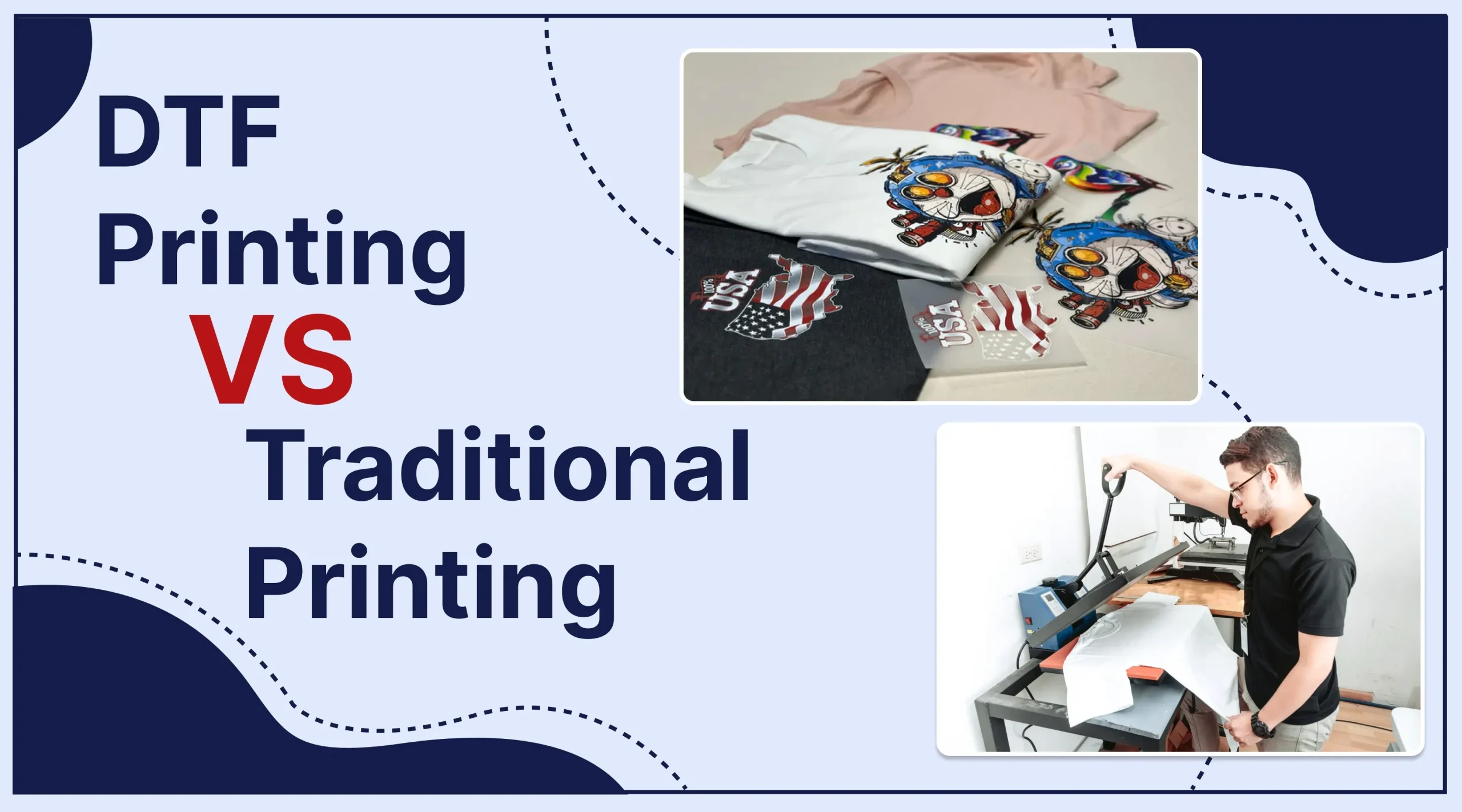
In the ever-evolving landscape of garment printing, the debate of **DTF vs. Traditional Printing** has captured the attention of many entrepreneurs and businesses alike. Direct-to-Film (DTF) printing represents a modern advancement that challenges the long-standing techniques of traditional printing methods, including the popular screen printing. With DTF printing, vibrant colors and intricate designs can be achieved swiftly, making it a viable option for custom printing projects. Unlike traditional approaches like Direct-to-Garment (DTG), which may struggle with large orders, DTF offers fantastic versatility for various materials. By understanding the nuanced differences between these methods, businesses can make informed choices that align with their production needs and creative aspirations.
When discussing fabric decoration techniques, one inevitably encounters the terms **DTF printing** and its older counterparts, commonly referred to as traditional printing methods. This comparison features various print applications, including screen printing and Direct-to-Garment (DTG), each with its own merits and challenges. DTF printing showcases a blend of efficiency and quality that can outweigh the capabilities of established processes. As we explore the distinctions between these approaches, it's important to consider how advancements in technology have shaped the landscape of custom printing, offering businesses fresh opportunities to meet their customers' demands.
Overview of Traditional Printing Methods
Traditional printing methods have deeply influenced the garment printing sector for years. Among these, screen printing stands out as a widely utilized technique. Utilizing a woven mesh stencil, screen printing is renowned for its ability to produce vibrant, durable designs across a variety of materials. This method is particularly favored for large production runs due to its cost-effectiveness. Businesses often choose screen printing for bulk orders as it can reduce the per-unit cost significantly, though it might require substantial initial investments for the setup.
Another traditional method, Direct-to-Garment (DTG) printing, allows for more intricate designs and color gradients by printing directly onto the fabric. While DTG has the advantage of quick turnarounds and a remarkable color range, it may not be as efficient as screen printing for high-volume projects. This divergence in capabilities highlights the unique applications of traditional methods in garment production, catering to both bulk orders and detailed custom designs.
A Closer Look at DTF Printing
Direct-to-Film (DTF) printing is an emerging player in the garment printing landscape. This method combines innovative techniques to create high-quality prints with vivid colors that rival traditional counterparts. It works by printing designs onto a specific film, which is then transferred to the fabric under heat, enabling flexibility in material choices—including cotton, polyester, and blends. The result is a softer finish compared to some traditional methods, enhancing wearability and user comfort.
One of the standout features of DTF printing is its efficiency and adaptability for orders of all sizes. Unlike traditional processes that may strain under custom jobs or lower volumes, DTF allows for smaller batch production without sacrificing quality. This flexibility makes it an enticing option for small businesses and artists looking to bring their designs to market quickly and affordably, aligning seamlessly with today's demand for customization.
Quality Comparison: DTF vs. Traditional Printing
When assessing the quality of prints, comparing DTF and traditional printing methods reveals notable distinctions. DTF printing is recognized for its vibrant colors and ability to maintain image integrity even on dark fabrics, often surpassing traditional printing methods. The prints are not only vivid but also offer a comfortable finish, making them appealing for consumer preferences focused on both aesthetics and wearability.
In contrast, traditional techniques like screen printing may provide excellent durability and a broad color spectrum but can feel heavy on thin fabrics. This characteristic can impact wearer comfort, particularly in fashion where lightness and breathability are critical. As brands evolve to meet consumer demands for both quality and comfort, understanding these differences is essential in selecting the right printing method.
Cost Considerations in DTF vs. Traditional Printing
Cost is always a key factor in choosing a printing method. Traditional printing, particularly screen printing, requires significant upfront investment due to the setup involved. This includes creating screens for color separation, which can lead to higher costs for smaller orders. However, the per-unit cost decreases with larger production runs, making it economically favorable for bulk orders.
In contrast, DTF printing allows businesses to profit from lower initial costs, ideal for custom jobs and smaller quantities. This capability has made DTF increasingly popular among startups and smaller enterprises looking to minimize risk while offering a diverse range of designs. The balance between initial investment and ongoing production costs presents an important consideration for businesses weighing their printing options.
Production Speed: DTF Versus Traditional Methods
When urgency is a priority, speed of production can be a significant differentiator between DTF and traditional printing methods. The DTF process is designed for rapid execution, requiring less setup time and allowing for quicker turnarounds, which is especially beneficial for customized orders or time-sensitive projects. Brands can effectively respond to dynamic market needs with prompt delivery.
Traditional methods, especially screen printing, can be time-consuming due to the need for setup and multiple processes, such as color separation and screen creation, which can delay overall production. Understanding these nuances helps businesses align their printing needs with production timelines to maximize efficiency and customer satisfaction.
Sustainability in Printing: Environmental Impact of DTF and Traditional Techniques
In today's environmentally conscious market, the sustainability of printing methods plays a pivotal role in decision-making. DTF printing aligns well with sustainable practices because it typically generates less waste, using fewer materials throughout the process. The lack of excess ink and the reduced number of screens contribute to its eco-friendly profile, making it appealing for businesses looking to improve their environmental footprint.
However, traditional methods also offer pathways to sustainability by utilizing eco-friendly inks and recycling materials. Nevertheless, screen printing often faces challenges with waste production, from leftover inks to discarded screens. Brands striving for sustainability must weigh these factors when deciding between DTF and traditional methods, ensuring their choice reflects both operational needs and environmental values.
Frequently Asked Questions
What are the key differences between DTF printing and traditional printing methods?
The main differences between DTF printing and traditional printing methods lie in the printing process and application. DTF printing uses a film transfer technique, making it ideal for small batches and custom designs, while traditional methods, like screen printing, are more efficient for large runs but require higher initial setup costs.
Is DTF printing more cost-effective than traditional printing methods?
Yes, DTF printing is often more cost-effective for small orders and custom designs due to its lower initial costs and faster turnaround times compared to traditional methods like screen printing, which benefit larger production volumes but have higher setup investments.
How does the quality of DTF printing compare to traditional screen printing?
DTF printing generally offers vibrant colors and detail comparable to traditional screen printing. It maintains color vibrancy even on dark fabrics, and the final prints often have a softer finish, improving comfort for the wearer.
What materials can be used with DTF printing compared to traditional printing methods?
DTF printing is versatile and can be applied to various fabric types, including cotton, polyester, and blends. Traditional printing methods, while strong in specific applications, may struggle with mixed fabric compositions, limiting their versatility.
What is the production speed comparison between DTF printing and traditional printing methods?
DTF printing provides quicker production times, especially for customized orders, requiring less setup compared to traditional methods like screen printing, which often need more time for screen creation and setup.
How do DTF printing and traditional printing methods impact sustainability?
DTF printing tends to produce less waste during the printing process compared to traditional methods like screen printing, which relies on more materials and often results in leftover ink and discarded screens, making DTF a more environmentally sustainable option.
| Aspect | DTF Printing | Traditional Printing |
|---|---|---|
| Quality of Print | High vibrancy and detail, softer finish. | Vibrant colors, but may feel heavier and rigid. |
| Cost Analysis | Lower initial costs; efficient for small batches. | Higher upfront costs; more economical for large runs. |
| Speed of Production | Faster production times and fewer setup requirements. | Longer production times due to screen setup. |
| Material Versatility | Compatible with various fabrics including blends. | Works best with select materials and may have limitations. |
| Environmental Impact | Less waste production and can use eco-friendly inks. | Can generate more waste and relies on specific inks. |
Summary
DTF vs. Traditional Printing presents various advantages and challenges, making it essential to choose the right printing method based on your specific needs. DTF printing stands out for its ability to produce vibrant, detailed prints on a variety of fabrics quickly and at lower initial costs, making it ideal for custom jobs and smaller businesses. In contrast, traditional printing methods like screen printing excel in producing large volumes with consistent quality but may involve higher setup costs and longer production times. By understanding the unique characteristics and benefits of each method, businesses can make informed decisions that align with their operational capacities and customer demands.