
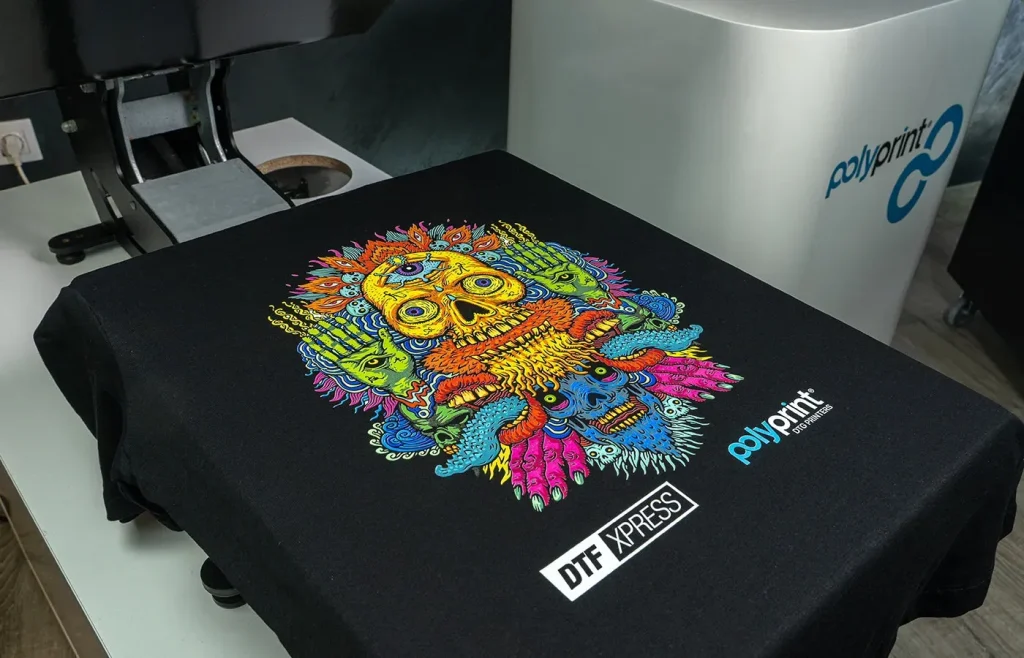
DTF printing, or Direct to Film technology, is transforming the world of personalized printing, making it more accessible for enthusiasts and entrepreneurs alike. With its ability to produce vibrant colors and intricate designs directly onto flexible films, DTF printing benefits both casual creators and small business owners seeking high-quality output. In this beginner’s guide, we will walk you through the essentials of DTF printing, covering everything from the necessary equipment to the benefits of this innovative method. You’ll learn how to do DTF printing efficiently, the best practices for beginners, and tips to enhance your results. Whether you’re artfully customizing garments or exploring commercial prospects, DTF opens a realm of possibilities for creative expression.
The realm of fabric printing has evolved dramatically with the advent of Direct to Film technology, a groundbreaking method that enhances the printing process. Often referred to simply as DTF, this technique allows intricate designs to be rendered onto specialized films, which can then be seamlessly transferred onto various textiles. For those new to this method, DTF printing for beginners offers a user-friendly approach, combining affordability with high-quality results. As you delve into this exciting field, understanding the essential DTF printing equipment will be crucial to your success. Join us as we explore the versatile advantages and practical steps required to master this dynamic printing modality.
Understanding the Benefits of DTF Printing
DTF printing offers a multitude of benefits that make it an attractive option for both beginners and seasoned artists in the custom printing landscape. One of the most significant advantages is the versatility of DTF technology; it can be applied to a wide range of fabrics, including cotton, polyester, and even blends. This flexibility opens up numerous creative avenues for projects ranging from personalized apparel to promotional merchandise.
Moreover, the high-quality output associated with DTF printing stands out. Users can expect vibrant colors and sharp designs, which are crucial for intricate graphics. Compared to traditional printing methods, DTF allows for fine details without compromising the vibrancy of colors. This makes it ideal for creating apparel that requires a professional finish.
Essential Equipment for DTF Printing
To embark on your DTF printing journey, acquiring the right equipment is paramount. First and foremost, a specialized DTF printer that can handle unique inks and films is necessary; you might also consider modifying an existing inkjet printer for this purpose. In addition to the printer, a heat press is crucial. This machine applies the heat and pressure needed to transfer your vibrant designs from the film onto your fabric.
In addition to a printer and heat press, you’ll need specific supplies like transfer film and adhesive powder. The transfer film is designed to accept DTF inks, ensuring that your designs come out clear and striking. The adhesive powder plays a vital role in helping the ink bind with the fabric during the transfer process. Ensuring you have quality equipment will set you up for success in producing durable and beautiful printed materials.
The Step-by-Step DTF Printing Process
Getting familiar with the DTF printing process can help you achieve optimal results. The first step is design creation, where you can use software tools such as Adobe Illustrator or free programs like Inkscape to craft your designs. Notably, the quality of your digital design can significantly impact the final printed product, so invest the necessary time in this stage.
Following the design phase, you’ll need to print it onto the DTF film carefully. Use the appropriate printer settings to ensure the best quality print. After printing, while the ink is still wet, applying the adhesive powder is crucial. This powder will bond with the ink during the curing stage and solidify the design before the final heat transfer to the fabric.
Cost-Effectiveness of DTF Printing
Cost is a key factor in any business decision, and DTF printing offers a compelling case for being economically viable. The initial setup costs for DTF printing equipment are lower compared to traditional screen printing or sublimation methods. This makes it particularly attractive for those looking to enter the custom print market without a massive financial burden.
Additionally, DTF technology allows for low production costs without sacrificing quality. Because of its efficiency, print jobs can be completed quickly, allowing for faster turnaround times and higher productivity. These factors together contribute to increased profitability when starting a small printing business or launching custom apparel projects.
Tips for Beginners in DTF Printing
For newcomers to DTF printing, gaining familiarity with your equipment is essential. Spend time understanding the settings and functions of both your printer and heat press. Many beginners overlook this stage, but knowing how to optimize your equipment can dramatically affect the quality of the print results and overall efficiency.
It’s also important to conduct material testing. Different fabrics react differently during the DTF process, and experimenting will help you discover which materials yield the best results. By thoroughly testing various fabric types and recording the outcomes, you’ll be positioned to create high-quality products consistently.
Resources to Enhance Your DTF Printing Skills
As you dive into the DTF printing world, utilizing resources can greatly aid in your learning process. Online communities and forums dedicated to DTF printing can provide valuable insights and support. Engaging with fellow printers allows you to share experiences, troubleshoot challenges, and exchange tips that are particularly relevant to your projects.
Additionally, visual learning can be invaluable; consider watching YouTube tutorials that step through the DTF printing process. These videos can help you grasp difficult concepts right from applying adhesive powder to mastering heat settings. Participating in webinars and workshops offered by industry professionals can also bolster your understanding and keep you updated on the latest techniques.
Frequently Asked Questions
What is DTF printing and how does it work?
DTF printing, or Direct to Film printing, is a modern printing technique that transfers designs from a special film onto fabrics. It involves printing a design onto a DTF film, applying adhesive powder, curing it, and then using a heat press to transfer the design onto the fabric, resulting in vibrant and detailed prints.
What equipment is needed for DTF printing?
To start DTF printing, you’ll need a DTF printer (which can be a modified inkjet printer), a heat press machine, DTF transfer film, and adhesive powder. This equipment is essential for achieving high-quality prints on various fabric types.
What are the benefits of using DTF printing technology?
DTF printing offers several benefits, including its versatility for use on multiple fabric types, the ability to produce vibrant colors and intricate designs, and its cost-effectiveness with lower initial investments compared to other printing methods.
How do beginners get started with DTF printing?
Beginners can start with DTF printing by familiarizing themselves with the necessary equipment, experimenting with different fabric types, and following a step-by-step process: designing graphics, printing on DTF film, applying adhesive powder, curing, and performing the heat transfer.
What materials can DTF printing be used on?
DTF printing is versatile and can be used on a range of materials, including cotton, polyester, and blends. This makes it suitable for various applications, from apparel to accessories.
Are there any tips for successful DTF printing for beginners?
Key tips for beginners in DTF printing include understanding your equipment settings, testing various fabric types for compatibility, maintaining a consistent supply of necessary materials, and exploring online communities or tutorials for further learning.
| Key Point | Description |
|---|---|
| What is DTF Technology? | Direct to Film (DTF) is a fabric printing method that prints designs onto a special film to transfer to various fabrics, offering vibrant colors and flexibility. |
| Necessary Equipment | Key equipment includes a DTF printer, heat press, transfer film, and adhesive powder. |
| Printing Process Steps | 1. Create Design 2. Print Design on DTF Film 3. Apply Adhesive Powder 4. Cure Adhesive 5. Heat Transfer to Fabric |
| Advantages of DTF | DTF is versatile, produces high-quality prints, and is cost-effective compared to traditional printing methods. |
| Tips for Beginners | Familiarize with your equipment, test different materials, and manage your supplies efficiently. |
| Learning Resources | Engage with online communities, watch YouTube tutorials, and attend webinars to improve your skills. |
Summary
DTF printing is an innovative technology that allows users to create high-quality images on a variety of fabrics through a straightforward process. This flexibility and beginner-friendly approach make DTF an attractive option for anyone interested in fabric printing. Understanding the essentials—from the necessary equipment, like a specialized DTF printer and heat press, to mastering the printing and transfer techniques—will set you on the right path. As you gain experience and explore advanced techniques, DTF printing not only enables personal creativity but may also lead to opportunities in the commercial printing space.