
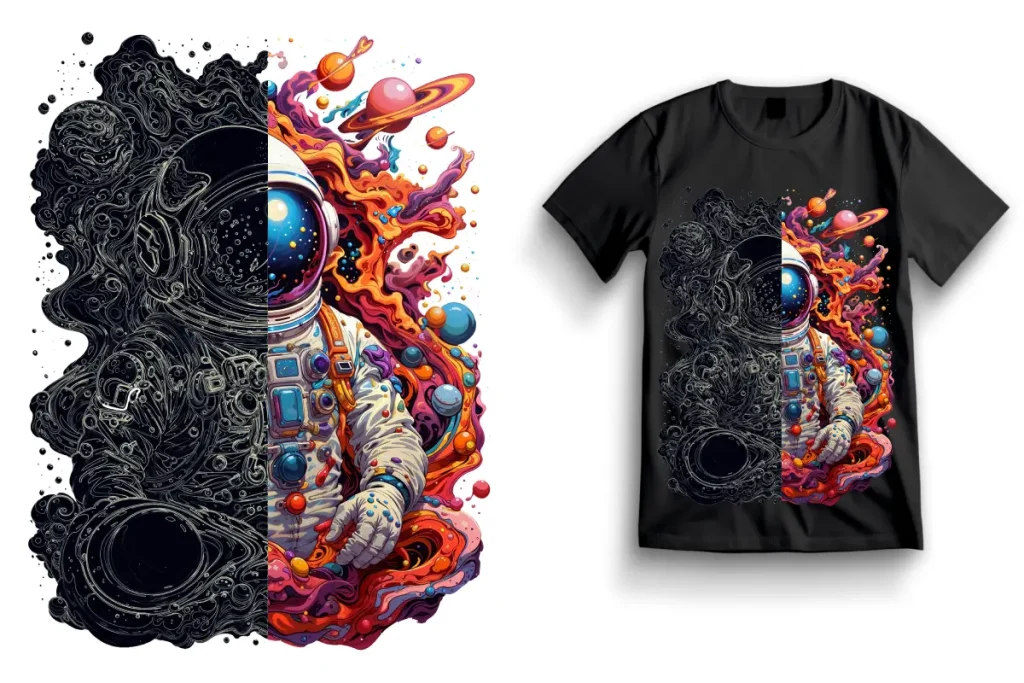
The landscape of custom garment decoration has evolved significantly over the past decade, leaving apparel decorators to constantly balance print quality, production speed, and material versatility. Traditional screen printing demands extensive setup times and high minimum order quantities, while direct-to-garment systems often struggle with consistency on dark synthetic fabrics. For local businesses, independent clothing lines, and promotional merchandise coordinators trying to stay competitive, commercial-grade dtf transfers have emerged as the definitive solution to these historical bottlenecks. This digital printing methodology relies on transferring a specialized ink system from a temporary carrier film directly onto a substrate using heat and pressure, ensuring exceptional detail retention and color vibrancy across an unprecedented variety of textiles.
Understanding the underlying science of modern DTF systems is essential for any apparel decorator aiming to produce retail-quality goods. Unlike older transfer methods that resulted in a heavy, plastic-like texture on the chest, contemporary digital transfers optimize polymer chemistry to achieve an incredibly soft hand feel that moves naturally with the fabric. The process utilizes specialized aqueous pigmented inks, a unique polyethylene terephthalate film with a precise matte release coating, and a hot-melt polyurethane adhesive powder. When these components are properly balanced, cured, and pressed, the result is a highly flexible, vibrant decoration capable of outlasting the garment itself. For print shops looking to streamline operations, integrating this system eliminates the tedious setup of screens and the labor-intensive weeding processes associated with traditional heat transfer vinyl.
The Technical Mechanics of Direct to Film Systems
To fully appreciate the commercial value of this printing technology, one must analyze the precise technical mechanics that occur during the printing and curing phases. The process begins on a dedicated digital printer equipped with advanced piezo printheads. The machine deposits CMYK inks first, immediately followed by a heavy, precise layer of white ink directly on top of the colored design. This white underbase is critical because it ensures complete opacity, preventing the color of the underlying fabric from bleeding through or dulling the final graphic. This feature is particularly vital when dealing with dark or heavily dyed polyester materials that are notorious for dye migration during the heat pressing stage.
Immediately after the ink is deposited onto the coated film, the wet transfer passes into an automated powder management system. Here, a specialized TPU hot-melt adhesive powder is evenly distributed across the surface of the wet ink. The film is then vibrated or agitated to remove any excess powder from the non-printed, transparent sections of the film. Once the powder is restricted solely to the wet ink boundaries, the film enters a specialized conveyor curing oven or a targeted heat drawer. The heat liquefies the solid adhesive powder, turning it into a uniform, smooth, gel-like layer. This cured adhesive acts as the physical bridge that will permanently bind the pigment grid to the textile fibers under the heat press.
Managing ambient environmental factors within the print facility is a critical operational parameter that many novice decorators overlook. Commercial digital printing systems require strict climate control, ideally maintaining a relative humidity level between 40 percent and 60 percent, alongside a stable room temperature. If the production environment is too dry, static electricity can cause the adhesive powder to cling to the unprinted areas of the film, resulting in unsightly flecks or spots on the finished garment. Conversely, excessive humidity can prevent the water-based inks from drying at the correct rate, causing fine details to blur or bleed before the adhesive can be applied. Professional production facilities closely monitor these metrics to ensure that every roll of film meets strict quality control standards.
Why Local Production Networks Save Time and Overhead
For custom apparel businesses operating under tight production deadlines, shipping logistics represent a significant vulnerability in the supply chain. Spending days waiting for a cross-country shipment to arrive can result in missed delivery windows, dissatisfied clients, and lost revenue. Utilizing search patterns like dtf transfers near me allows local decorators to identify regional production hubs that can dramatically reduce turnaround times. Establishing a relationship with a nearby manufacturer means that rush orders can often be picked up on the same business day, completely eliminating shipping fees and transit risks.
Proximity to your production partner also introduces the advantage of physical quality verification. Instead of placing a massive order online and hoping the color calibration matches your digital files, working with a local supplier allows you to request physical press samples, inspect the hand feel, and check color accuracy before full-scale manufacturing begins. This collaborative approach minimizes material waste and gives local creators the confidence to accept high-volume contracts from corporate clients, schools, and community organizations, knowing that their supply line is highly responsive and physically accessible.
Furthermore, local sourcing optimizes the creation and execution of gang sheets. A gang sheet is a production file that aggregates multiple distinct designs onto a single continuous roll of film, maximizing printable space and significantly lowering the cost per print. When managing complex gang sheets with tight layouts, minor design errors or file format issues can stall production for days if you are communicating with an overseas or non-local supplier via email across different time zones. A regional production asset can quickly flag file discrepancies, adjust boundary lines, and ensure that the final layout prints perfectly without disrupting your business operations.
Evaluating Print Standards Across the Texas Apparel Market
The regional market for garment decoration across Texas is highly competitive, requiring print shops to carefully evaluate their component suppliers to maintain a competitive edge. Finding the best dtf transfer at Houston involves looking beyond basic pricing models and thoroughly assessing the raw materials and machinery being utilized. Low-grade operations frequently cut corners by using cheap desktop printer conversions, unstable ink formulations, and sub-par films that result in brittle, easily cracked prints after only a few wash cycles. High-tier commercial suppliers stand out by investing in industrial-grade, wide-format dual or quad-head print setups that ensure flawless registration and rich, uniform ink deposits.
When analyzing chemical components, premium shops rely on high-grade inks that feature a high concentration of premium pigments. These inks offer exceptional color fastness, keeping graphics bright and crisp even when subjected to industrial laundering cycles. Additionally, the quality of the release film plays a massive role in the final aesthetic of the garment. Top-tier suppliers utilize double-matte coated films that hold the ink perfectly during the high-speed printing process but release effortlessly once the design has been heat-pressed onto the shirt. This premium film technology allows decorators to achieve a sleek, retail-ready matte or semi-gloss finish that appeals directly to modern fashion consumers.
For businesses seeking consistent, high-volume production output, securing a specialized Houston dtf transfer partner like Harwin DTF provides a robust foundation for growth. Utilizing commercial-grade components prevents common application issues such as oil blinking, where excess chemicals leach through the cured transfer, creating a greasy residue around the graphic. By adhering to rigorous material selection and operating industrial-grade shaking and curing equipment, a dedicated regional supplier ensures that every single transfer sheet exhibits uniform thickness, excellent elasticity, and consistent wash durability, allowing local brands to scale their offerings safely.
A Complete Structural Blueprint for Flawless Transfer Application
Achieving a permanent, retail-grade bond between the digital transfer and your chosen textile requires strict adherence to a specific application protocol. Even the highest quality film can fail if the heat press variables are not calibrated correctly. Follow this professional workflow to ensure optimal results with every press:
- Execute a Thorough Garment Pre-Press: Place your blank apparel item onto the lower platen of your heat press and clamp it down for 3 to 5 seconds. This critical step removes inherent moisture from the fabric fibers and flattens out any manufacturing wrinkles. Failing to remove moisture can trap steam beneath the film during application, leading to micro-blisters and premature peeling.
- Position and Align the Transfer: Center your printed film onto the designated decoration area with the ink and adhesive side facing directly down onto the fabric. Because the carrier film is translucent, you can easily verify alignment against the seams and neckline of the garment. Use heat-resistant tape if you are working with complex placements or slippery synthetic fabrics to keep the design perfectly steady.
- Apply Targeted Heat and Pressure: Program your heat press according to the specific fabric blend you are decorating. For standard cotton and heavy fleece items, operate the machine between 285 degrees Fahrenheit and 300 degrees Fahrenheit, applying firm, medium-heavy pressure for 10 to 12 seconds. If you are decorating sensitive materials like 100 percent polyester or delicate nylon, reduce the temperature to 275 degrees Fahrenheit and extend the time slightly to protect the synthetic fibers from heat scorching.
- Execute the Release and Cold Peel: Carefully remove the garment from the press platens and place it onto a flat surface to cool completely. For standard cold-peel films, attempting to strip away the carrier sheet while it is still warm can disrupt the curing polymer, pulling fine details away from the fabric. Once the transfer is entirely cool to the touch, smooth away the film in a single, low-angle motion.
- Perform the Final Post-Press: Place the uncovered, decorated garment back onto the heat press, cover the graphic with a sheet of premium parchment paper or a silicone protective matte, and press for an additional 5 seconds. This secondary press locks the edges of the design deep into the texture of the textile weave, maximizing the overall lifespan and wash resistance of the product.
Frequently Asked Questions About Direct to Film Decoration
Why are my digital transfers lifting or cracking after a single wash?
Premature lifting or cracking is almost always caused by insufficient pressure or inadequate temperature during the initial heat press phase. If the heat press does not distribute uniform pressure across the entire platen, the hot-melt adhesive powder cannot fully liquefy and embed into the garment fibers. Always ensure your equipment is properly calibrated and that you are using a reliable heavy-duty flatbed press rather than a standard household iron.
Can these digital transfers be applied safely to sublimated polyester shirts?
Yes, they can be applied to sublimated polyester, but you must utilize a specialized transfer configuration featuring a dedicated anti-migration white ink backing or a carbon-infused blocker powder. Sublimated dyes become highly volatile when reheated, which can cause the fabric color to bleed upward into light-colored prints. Utilizing a low-temperature application process alongside a blocker layer completely isolates the design, keeping your whites bright and your colors true.
What are the ideal laundering instructions for extended print durability?
To maximize the lifespan of custom decorated apparel, garments should always be turned inside out before being placed into the washing machine. Wash the items in cold or lukewarm water using a mild, non-bleach detergent. Avoid high-heat settings in commercial tumble dryers; instead, air-dry the clothing or utilize a low-heat, delicate dryer cycle to keep the flexible polymer bond intact over dozens of wash cycles.
What design file formats are required to produce high-resolution film rolls?
Production facilities require high-resolution digital artwork saved at a minimum of 300 DPI at the final intended print dimensions. The preferred file formats are transparent PNGs, vector PDFs, or Adobe Illustrator files. It is absolutely vital that the background of the artwork is completely transparent, as any stray pixels, semi-transparent drop shadows, or hidden white fields will be coated in adhesive powder and printed onto the film.
Optimizing Long-Term Brand Growth with Premium Prints
Sustaining growth in the modern custom apparel space requires a careful combination of production efficiency, creative freedom, and uncompromising product quality. By shifting fulfillment workflows to industrial-grade dtf transfers, decorators eliminate the costly limitations of traditional color separation while unlocking the ability to print highly intricate, full-color designs on demand. Sourcing these assets through an established local infrastructure allows print shops to remain agile, satisfy demanding client timelines, and reduce costly overhead associated with shipping and material storage. Partnering with an expert regional manufacturing specialist like Harwin DTF provides your business with direct access to consistent commercial equipment calibrations and high-grade chemical inputs, ensuring that every piece of apparel you deliver to the market stands as a testament to exceptional durability and professional craftsmanship.