
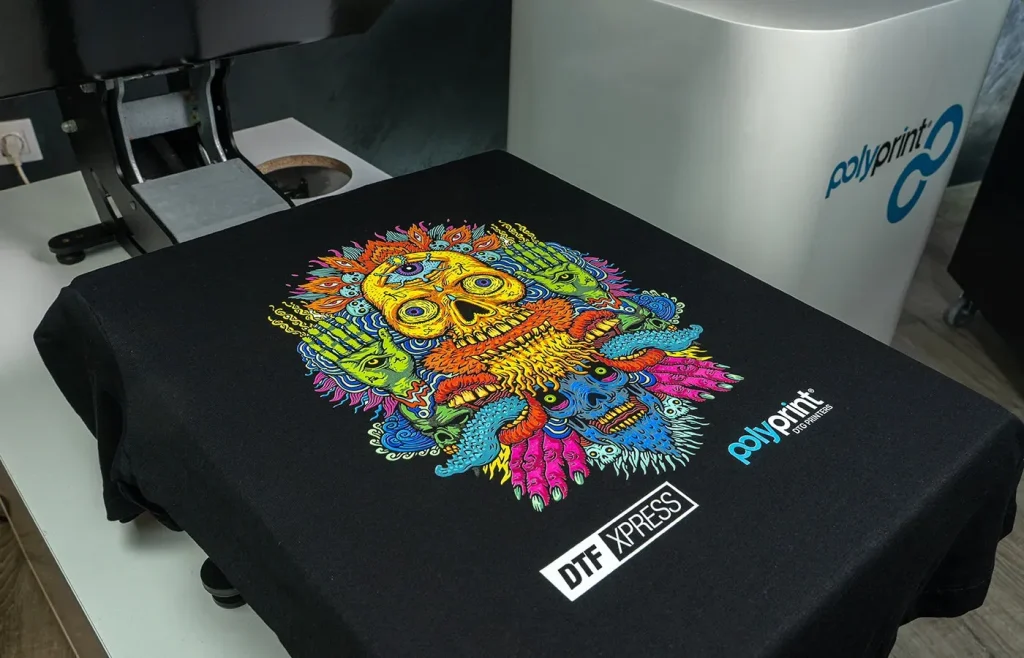
Are you ready to explore the vibrant world of DTF printing? This innovative technique, known as Direct-to-Film printing, allows both novices and experts to create stunning designs on a variety of fabrics with remarkable efficiency. In this beginner’s guide, we will cover everything from essential DTF printing equipment to practical DTF printing tips that can help you ensure success in your projects. Whether you’re looking to customize apparel or add a personal touch to home decor, understanding how to do DTF printing will unlock a realm of creative potential. Join us as we embark on this journey into the dynamic field of DTF printing!
In the realm of fabric printing, Direct-to-Film technology stands out as a game-changer for artists and entrepreneurs alike. Often referred to as DTF or Direct-to-Film printing, this method facilitates the precise transfer of intricate designs directly onto various textile surfaces. By utilizing specialized transfer films and a heat press, creators can achieve vibrant and long-lasting prints across different materials, including cotton and poly blends. As we describe the essentials of this innovative printing technique, you will learn about the necessary tools and various tips that can elevate your skills. Embrace the creativity that Direct-to-Film printing offers and discover the boundless possibilities it holds for your artistic endeavors.
Introduction to DTF Printing: The Basics You Should Know
Direct-to-Film (DTF) printing is reshaping the way designs are transferred onto fabrics, offering a straightforward and efficient alternative to traditional print methods. With this technique, images are printed onto a special transfer film, which is then heat pressed onto the target material. This process excels in delivering vibrant, durable graphics that can withstand the rigors of wear and washing. For beginners, understanding the foundational aspects of DTF printing is crucial for successful outcomes.
One of the remarkable features of DTF printing is its versatility—it’s compatible with a wide range of fabrics, from cotton to polyester blends. This means that creators have the liberty to explore various textile mediums and styles. Furthermore, DTF allows for complex designs and multi-colored prints to be executed with ease, significantly broadening the scope for creativity.
Essential Equipment for Effective DTF Printing
To embark on your DTF printing journey, gathering the appropriate equipment is paramount. A DTF printer specifically designed for this printing method is essential, as it ensures proper ink deposition onto the transfer film. Additionally, you will require high-quality transfer films that facilitate a successful transfer to the fabric. These components work in harmony to achieve vibrant and long-lasting prints.
Moreover, an adhesive powder which is applied to the printed film while hot is vital for ensuring that the ink adheres correctly to your fabric during the heat transfer process. On top of these, a reliable heat press with adjustable temperature settings is necessary to apply heat and pressure uniformly across the transfer. With the right tools at your disposal, you can set the stage for success in your DTF printing efforts.
Preparing for Your First DTF Print: Steps to Follow
Preparation is a crucial step in DTF printing, as it significantly impacts the quality of your final product. Start by designing your artwork with appropriate graphic design software, ensuring that it’s tailored to the size of the fabric you plan to use. Proper sizing is essential to avoid scaling issues that could detract from the final print quality.
Next, fine-tune your printer settings to optimize the ink saturation and resolution that best match your design. These adjustments allow for a more vibrant print, which is critical for capturing the essence of your artwork. Finally, don’t overlook the importance of promptly applying the adhesive powder to your print while it is warm, as this step is essential for a successful transfer.
Tips for Achieving Stunning DTF Print Results
Achieving professional-grade prints with DTF printing is more than just following procedures; attention to detail can make all the difference. One major tip is to use high-quality inks and films, as these directly influence the brightness and durability of your printed designs. By investing in quality materials, you are effectively setting the foundation for vibrant, long-lasting results.
Additionally, understanding the optimal temperature settings for different fabrics is key to enhancing print quality. Different materials react differently to heat, and conducting test presses can help determine which temperatures yield the best adhesion and finish for your specific fabric. Implementing these tips will elevate your final products and satisfy your creative ambitions.
Common Challenges in DTF Printing and How to Overcome Them
Even seasoned DTF printers might face challenges from time to time, but knowing how to troubleshoot can save a print run. One common issue is ink smudging, which may occur from improper heat settings or insufficient curing time for the ink. Always double-check that your printer is properly calibrated and that the ink has cured adequately before applying heat.
Another frequent problem is poor adhesion of the print to the fabric, which can lead to peeling. To combat this, it’s important to ensure that you’re applying enough pressure during the heat transfer phase. If the prints continue to peel, revisiting the application method of the adhesive powder may also be necessary to achieve better results.
Expanding Your Knowledge: Resources for DTF Printing
If you’re eager to deepen your understanding of DTF printing, a wealth of resources is available to guide your journey. Websites and forums specializing in DTF printing can offer invaluable insights, tips, and community support. Engaging with knowledgeable experts and fellow beginners can enrich your learning experience.
Moreover, platforms like YouTube serve as excellent visual aids where experienced practitioners share tutorials and innovative techniques. By leveraging these resources, you can enhance your skills and stay updated on emerging trends in the DTF printing arena, allowing you to continually refine your craft.
Frequently Asked Questions
What is DTF printing and how does it work?
DTF printing, or Direct-to-Film printing, is an innovative method that transfers designs onto fabrics using a special transfer film. The process involves printing designs onto a film medium, applying adhesive powder, and then using heat to transfer the image onto fabric, ensuring vibrant colors and durability.
What equipment do I need for DTF printing?
To get started with DTF printing, you’ll need a DTF printer, transfer films, adhesive powder, and a heat press. This equipment is essential for successfully printing and transferring designs onto various fabrics.
Are there any tips for beginners learning DTF printing?
Yes! Beginners should focus on using high-quality materials, adjusting print settings for optimal ink saturation and temperature, and ensuring proper application of adhesive powder during the transfer process for the best results.
How can I troubleshoot common issues in DTF printing?
Common issues in DTF printing, such as ink smudging or poor adhesion, can often be resolved by checking heat settings, ensuring proper curing of the ink, and applying adequate pressure during the heat pressing phase.
What fabrics can I use with DTF printing?
DTF printing is versatile and can be used on a wide range of fabrics, including cotton, polyester, and various blends. Experimenting with different materials can yield exciting results!
Where can I find resources for learning more about DTF printing?
There are numerous resources available for DTF printing, including online forums, tutorials on YouTube, and specialized websites that offer guides and tips. These resources can provide valuable insights to enhance your printing skills.
| Key Point | Details |
|---|---|
| What is DTF Printing? | DTF (Direct-to-Film) printing is a method that transfers designs onto fabrics using a special film, enabling vibrant colors and durability. |
| Essential Equipment | 1. DTF Printer 2. Transfer Films 3. Adhesive Powder 4. Heat Press |
| Preparation Steps | – Create Designs with software (Adobe Illustrator, CorelDRAW) – Adjust Printer Settings – Apply Adhesive Powder after printing. |
| Tips for Success | – Use high-quality inks and materials – Test heat settings for different fabrics – Allow prints to cool before washing. |
| Troubleshooting | Common issues include ink smudging and poor adhesion, which can often be resolved by checking heat settings and application techniques. |
Summary
DTF printing is an innovative and efficient method that opens up new possibilities for fabric printing enthusiasts and professionals. This technology allows users to create detailed and vibrant designs on various fabric types, ensuring high-quality results. By understanding the essential equipment required, following preparation steps, and applying smart tips, even beginners can achieve impressive outcomes. Additionally, being aware of common troubleshooting techniques can further enhance the printing experience. DTF printing is not just a method; it’s a gateway to creativity that can transform your fabric designs into stunning works of art.