
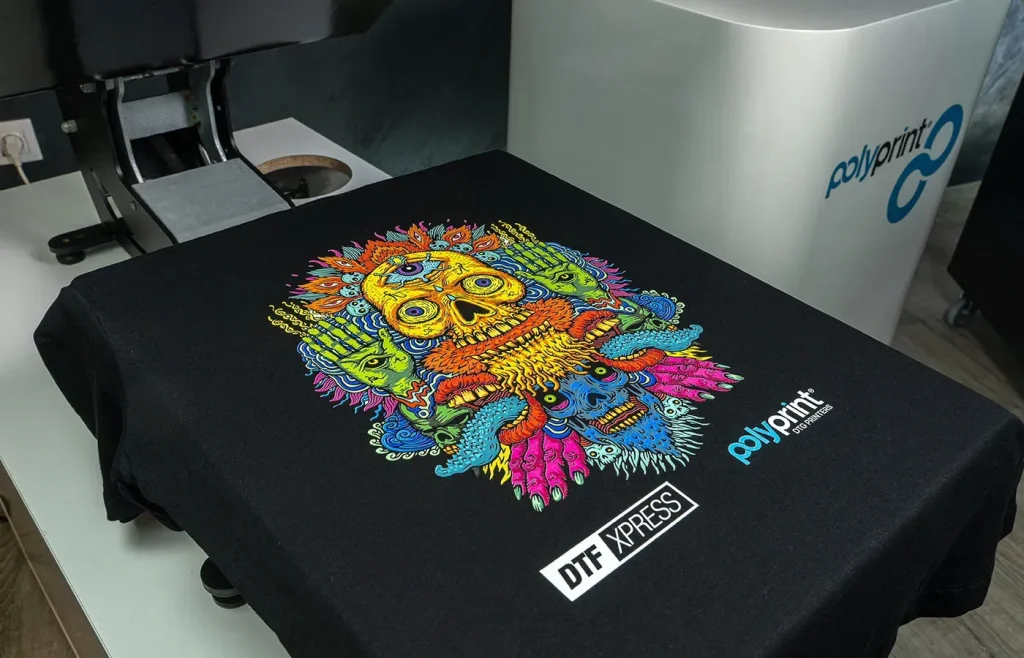
DTF printing, or Direct to Film printing, is revolutionizing the fabric printing landscape with its innovative technology and eco-friendly approach. This modern method leverages advanced processes to transfer vibrant designs onto various textile materials, making it an ideal choice for both small businesses and individual creators. Not only does DTF printing deliver stunning visuals, but it also prioritizes sustainability through its use of water-based inks and minimal waste. As demand for sustainable printing solutions grows, DTF printers emerge as key players in the apparel industry, ensuring high-quality results without compromising environmental values. This guide will delve into the fascinating world of DTF technology, exploring its benefits, processes, and how it compares to traditional printing methods.
In the realm of contemporary fabric decoration, the Direct to Film technique stands out as a cutting-edge alternative to traditional methods like screen printing and embroidery. Known for its efficiency and versatility, this method allows for high-resolution artwork to be seamlessly transferred onto textiles, catering to a diverse range of materials. As we explore this innovative approach to digital textile printing, we will uncover features of sustainable print practices that align with modern consumer expectations and the growing demand for eco-friendly solutions. From small-scale craft projects to large commercial runs, the Direct to Film printing process offers unmatched flexibility, making it a go-to choice for designers and entrepreneurs alike. Join us as we navigate the advantages and intricacies of this remarkable printing technology.
Understanding DTF Printing Technology
DTF printing, or Direct to Film printing, is transforming the fabric printing landscape with its innovative approach to image transfer. This technique utilizes a special water-based ink, directly applied onto a film, which is then used to imprint designs onto various materials. Unlike traditional methods, DTF printing eliminates the need for excessive pre-treatment of fabrics, allowing printers greater flexibility with the types of surfaces they can use. This has positioned DTF technology as an invaluable tool for businesses and hobbyists alike, who are seeking high-quality, versatile printing solutions.
Another noteworthy aspect of DTF printing is its efficiency in producing vibrant colors and intricate designs that are durable and long-lasting. With the ability to print on cotton, polyester, and blended fabrics, DTF has proven itself as a go-to option for customized apparel and promotional merchandise. By harnessing the power of direct transfer, businesses can achieve eye-catching results without sacrificing speed or quality, making DTF a revolutionary technology in the world of fabric printing.
The Sustainability of DTF Printing
Sustainability is a core principle of modern printing technologies, and DTF printing stands out as a particularly eco-friendly option. Because it uses water-based inks and requires minimal chemical treatments, DTF printers significantly reduce waste in the fabric printing process. This aligns with the growing trend toward sustainable printing methods that not only consider the environment but also meet the increasing consumer demand for eco-friendly products.
Furthermore, DTF printing generates less waste when compared to traditional screen printing and other methods that rely on multiple materials and processes. By streamlining the design-to-print journey, DTF technology minimizes excess materials and energy consumption, marking it as an excellent choice for environmentally-conscious businesses. This sustainability factor is crucial in today’s fabric printing industry, as more clients seek trustworthy partners who prioritize eco-friendly practices.
Frequently Asked Questions
What is DTF printing and how does it work?
DTF printing, or Direct to Film printing, is a modern technique that transfers designs from a special film onto fabric using heat and pressure. This process involves printing a design on a film with a DTF printer, applying adhesive powder, and then using a heat press to fuse the design to the fabric, resulting in vibrant, durable prints.
What are the advantages of using DTF printing over traditional methods?
DTF printing offers several benefits including versatility across various fabrics, eco-friendly practices due to reduced waste, cost-effectiveness for small runs, and high-quality durability. Unlike traditional methods, DTF doesn’t require fabric pre-treatment, making it suitable for a wide range of materials.
Is DTF printing eco-friendly compared to other printing technologies?
Yes, DTF printing is considered eco-friendly as it utilizes water-based inks and minimizes material waste during the production process. This sustainable printing method aligns with the growing need for environmentally conscious practices in the apparel industry.
Can I use a standard printer for DTF printing?
No, you need a specialized DTF printer designed to handle the specific requirements of Direct to Film technology. These printers can print on high-quality film and use certain inks that are compatible with the DTF process to achieve the best results.
What types of fabrics can be used with DTF printing?
DTF printing is versatile and can be applied to a variety of fabrics including cotton, polyester, blends, and more. This flexibility makes it ideal for custom designs and a wide range of applications in fabric printing.
How does DTF printing compare with Direct to Garment (DTG) printing?
While both DTF and DTG printing aim for high-quality fabric prints, DTF printing does not require pre-treatment of the fabric and can be used on a wider range of materials. This makes DTF a more versatile option for various printing needs.
| Aspect | Details |
|---|---|
| What is DTF Printing? | A modern printing method using heat and pressure to transfer designs from film to fabric, utilizing water-based ink for vibrant and durable prints. |
| Process of DTF Printing | 1. Design Creation 2. Printing on Film 3. Coating with Adhesive Powder 4. Heat Transfer 5. Peeling Off the Film |
| Advantages of DTF Printing | – Sustainability – Versatility Across Materials – Cost-Effective for Small Runs – Quality and Durability |
| Comparison with Other Printing Technologies | DTF offers greater versatility than DTG and sublimation, with no pre-treatment needed and broader material applicability. |
| New Developments in the DTF Market | Expansion of web-to-print services and advancements in printer technologies that promote easier access and improved quality. |
Summary
DTF printing is revolutionizing the fabric printing industry by merging eco-friendly practices with diverse applications. This innovative technology enables the transfer of high-quality designs onto a variety of materials, making it an appealing choice for both professional and hobbyist printers. As the DTF market continues to evolve with new advancements and sustainable solutions, it is clear that DTF printing will play a significant role in shaping the future of printing and garment production. Its ability to cater to various fabric types and the demand for customization indicates a bright prospect for this technology in the years to come.