
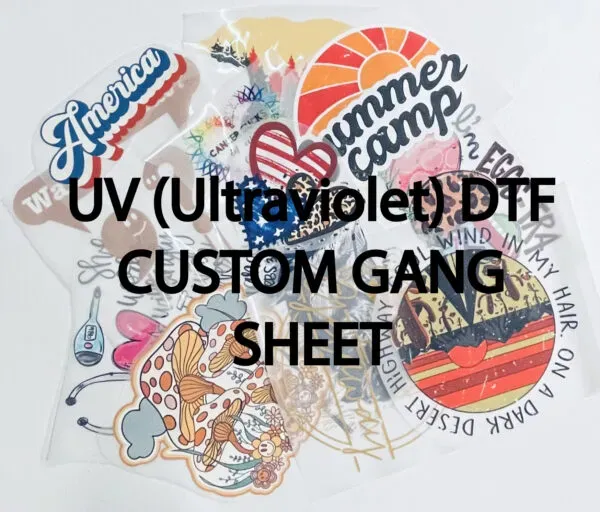
UV DTF Gangheet printing is revolutionizing the way artists and crafters approach their projects. This cutting-edge printing method utilizes ultraviolet light to cure inks as they’re applied onto specialized gangheet films, resulting in vibrant, long-lasting designs. By incorporating UV curing techniques, this process not only enhances color saturation but also ensures durability against wear and fading. In this article, we’ll share essential tips and tricks to maximize your experience with UV DTF printing, whether you’re a seasoned pro or just starting out in the world of direct to film printing. Join us as we explore how to elevate your craft and achieve stunning results!
Exploring the realm of UV Direct to Film (DTF) printing unveils a plethora of creative opportunities for individuals keen on personalizing their work. This advanced method is often referred to as gangheet printing, leveraging the robust capabilities of UV inks to achieve high-quality outputs on various materials. Utilizing techniques specific to DTF printing, artists can create intricate designs that truly pop with color and detail. Whether you’re interested in fabric prints, custom decorations, or branding materials, mastering direct to film printing can set your creations apart. With the right knowledge and skills, you’re on your way to mastering this versatile printing technology.
Understanding UV DTF Printing Technology
UV Direct to Film (DTF) printing is at the forefront of modern printing technologies, merging the benefits of traditional methods with innovative advancements. In basic terms, this technique involves transferring images from a UV-sensitive film, known as gangheet, onto a variety of surfaces using UV inks. One of the significant advantages of this process is its versatility, allowing creators to achieve stunning, high-resolution prints on diverse materials like textiles, metal, and wood. The unique formulation of UV inks means they cure almost instantly when exposed to UV light, enhancing the workflow and enabling quicker turnarounds on projects.
In addition, the adhesion of UV inks to the gangheet film is exceptional, ensuring vibrant colors and intricate details are preserved throughout the printing process. Artists can utilize this technology to produce artworks or commercial products that stand out in terms of quality and resilience. By leveraging UV DTF printing effectively, you can tap into limitless creative possibilities, whether for personal projects or commercial endeavors.
Top Benefits of Using UV DTF Gangheet
Among the most notable benefits of UV DTF gangheet printing is the ability to produce incredibly vibrant colors with sharp details. The UV inks used in this technique are engineered to withstand the rigors of both time and wear, making them ideal for high-use items. This durability is vital for products that require longevity, such as promotional materials, apparel, or customized gifts. Thus, investing in UV DTF printing not only guarantees impressive aesthetic results but also offers long-lasting quality.
Moreover, another considerable benefit is the eco-friendliness of many UV inks available in the market. Unlike traditional solvent-based inks, which can contain harmful chemicals, many UV inks are formulated to be safer for both the user and the environment. This commitment to ecological considerations is heightened by the efficient curing process that UV printing employs, significantly reducing overall VOC emissions. This makes UV DTF printing a sustainable option for businesses and creators concerned about their environmental impact.
Preparing for Success in UV DTF Printing
To achieve outstanding results with UV DTF gangheet printing, proper preparation is paramount. One of the first steps is selecting high-quality materials appropriate for your projects. Opting for premium DTF films specifically designed for use with UV inks can significantly minimize issues like ink bleed or adhesion problems. This meticulous approach will set a strong foundation for the success of your prints.
In addition to choosing quality materials, ensuring the cleanliness and condition of the surfaces you intend to print on is equally important. Each substrate may necessitate different preparation methods, such as sanding or applying a coating to enhance ink adhesion. These preparatory steps not only improve print quality but also contribute to the longevity of the print’s vibrancy and detail, making it a crucial part of the workflow.
Printer Calibration and Testing for Optimal Results
Maintaining accurate and efficient printer settings is vital in UV DTF printing to achieve optimal color accuracy and print quality. Regular calibration of your UV DTF printer ensures your outputs stay consistent across different substrates and projects. The calibration process involves tweaking variables such as ink density and alignment based on the material being used, which is essential for capturing the precise details and colors envisioned by the artist.
Before launching into large print runs, it’s crucial to run test prints. This practice allows you to identify any potential issues including color discrepancies, alignment troubles, or even printer settings that require adjustments. Setting aside time for this testing phase not only saves materials but also boosts confidence in the final product, ultimately leading to a smoother production process and a better final result.
Advancements in UV DTF Technology
The landscape of UV DTF printing is continually evolving, as new technologies emerge to enhance print quality and efficiency. Innovations such as improved inks, faster curing systems, and more advanced print heads are just a few examples of how this field is growing. Staying updated with these advancements can not only promote faster production times but also improve the durability and aesthetic quality of printed materials.
In addition to technical improvements, engaging with communities and forums related to UV DTF printing can provide valuable insights into techniques and technologies. Sharing knowledge among peers creates opportunities for discovering best practices that can help elevate your artistic output or business operations. The proactive pursuit of learning—from experimental approaches to industry trends—will undoubtedly keep your craft innovative and competitive.
Addressing Common UV DTF Printing Challenges
Even seasoned professionals might encounter challenges in UV DTF gangheet printing. One of the most common issues is ink adhesion. If prints start to peel or flake off, it often stems from inadequate surface preparation or using incompatible materials. Addressing this involves ensuring that surfaces are thoroughly cleaned and free of contaminants, and that the gangheet is properly selected for the specific substrate at hand.
Color fading is another frequent concern, especially in prints exposed to direct sunlight. To combat this issue, using high-quality UV inks and adhering to proper curing techniques can make a significant difference. Implementing post-processing methods such as additional UV curing can enhance the longevity of your prints. A proactive approach to addressing these challenges will not only improve your results but also build a reputation for high-quality work.
Frequently Asked Questions
What is UV DTF gangheet printing and how does it work?
UV DTF gangheet printing is a modern printing technique that utilizes UV inks applied onto a special film known as gangheet. This process allows transfers to various substrates—textiles, plastics, wood, and metals—with vibrant, durable, and high-quality finishes. The UV inks cure quickly under UV light, ensuring sharp details and bright colors.
What are the main advantages of using UV DTF gangheet printing?
The advantages of UV DTF gangheet printing include vibrant colors and detailed quality, durability that resists fading and scratches, and wide applicability on different materials. Additionally, many UV inks are more environmentally friendly than traditional inks, offering eco-friendly options for creators.
How can I ensure good adhesion in UV DTF gangheet printing?
To ensure good adhesion in UV DTF gangheet printing, it is crucial to prepare the substrate surfaces properly. Clean the surfaces thoroughly and consider treating them to enhance ink adhesion, particularly for non-porous materials.
What are some essential tips for successful UV DTF printing?
Key tips for successful UV DTF printing include regularly calibrating your printer for accurate color, running test prints to identify issues beforehand, and utilizing UV curing lamps for post-processing to enhance durability and finish.
How can I troubleshoot common issues in UV DTF gangheet printing?
Common issues in UV DTF gangheet printing like ink adhesion problems and color fading can often be resolved by ensuring proper surface preparation and using high-quality inks. Regular maintenance of your DTF printer also helps prevent jams and malfunctions.
What innovations can I expect in UV DTF gangheet printing technology?
Innovations in UV DTF gangheet printing technology include improved ink formulations and advanced curing systems that enhance print quality and efficiency. Staying updated on these advancements can provide valuable insights and techniques for improving your print work.
| Key Point | Description |
|---|---|
| UV DTF Printing Definition | A method of applying UV inks to a special film (gangheet) for transferring designs to various substrates. |
| Benefits | Offers vibrant colors, durability, wide material applicability, and eco-friendly options. |
| Preparation Tips | Use high-quality materials and properly prepare surfaces for better adhesion and print quality. |
| Essential Printing Tips | Calibrate printer regularly, run test prints, use UV curing lamps, and explore special effects. |
| Innovation | Stay informed about advancements in UV DTF technology to improve quality and efficiency. |
| Challenges and Solutions | Address issues like ink adhesion, color fading, and printer jams through preparation and maintenance. |
Summary
UV DTF Gangheet printing is a revolutionary technique that offers artists and crafters the opportunity to enhance their creations with exceptional print quality. By leveraging the innovative capabilities of this technology, individuals can produce vibrant, durable designs on a wide array of materials. Understanding and implementing the tips and strategies outlined in this guide will not only aid in overcoming common challenges but also inspire creativity across various projects. As UV DTF Gangheet continues to evolve, staying updated with the latest innovations will help you capitalize on this remarkable printing method, creating stunning outputs that will surely impress.