
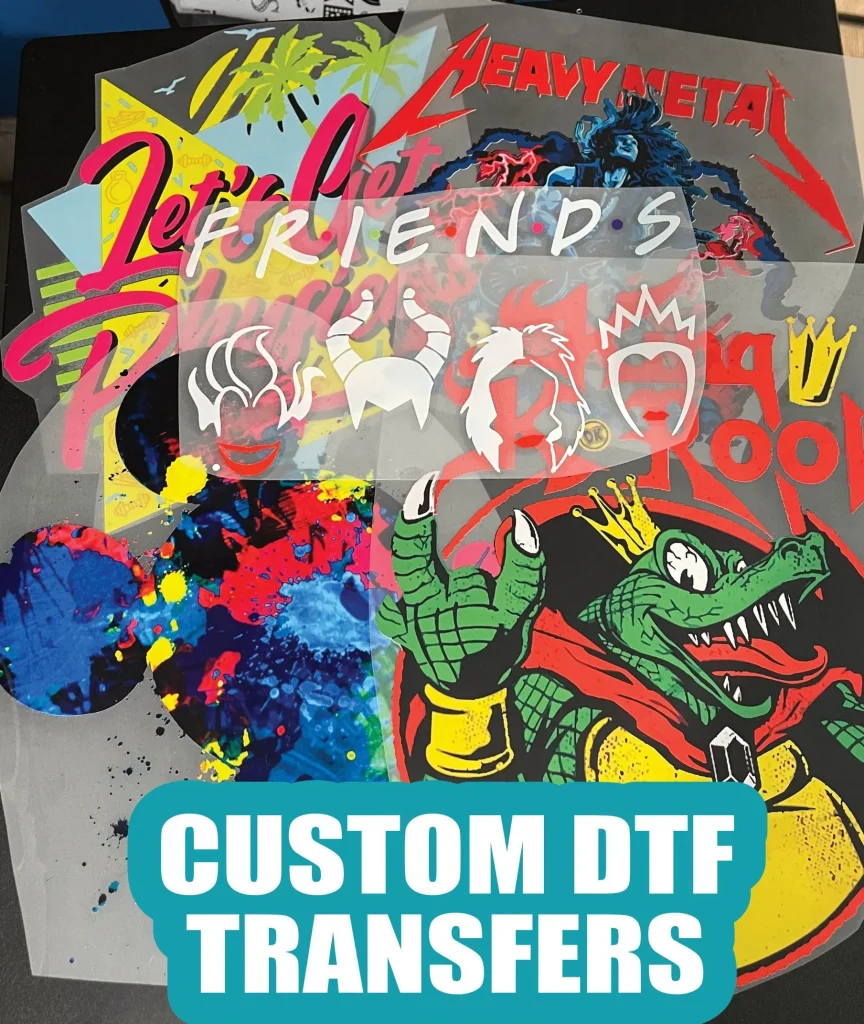
In the realm of custom garment printing, DTF transfers (Direct to Film) have transformed the way designs are applied to fabrics, delivering stunning results for both enthusiasts and professionals alike. This innovative printing method allows you to achieve vibrant, intricate patterns on various materials with ease, making it a popular choice for custom projects. In this guide, we’ll explore how to use DTF transfers effectively, showcasing the DTF printing process, essential materials, and best practices for optimal results. Whether you are a beginner looking to start your journey in garment decoration or an experienced printer seeking to refine your skills, a DTF transfers tutorial will equip you with the knowledge you need. Join us as we delve into the exciting world of DTF and discover the endless possibilities of custom garment printing.
Direct to Film transfers, commonly referred to as DTF prints, represent a groundbreaking approach in the field of fabric decoration. This modern technique allows artists and creators to seamlessly transfer detailed images onto textiles, which opens new avenues for creativity in apparel design. Known for its ability to produce high-resolution graphics, the DTF process is making waves among crafters and businesses looking for high-quality, durable prints. If you’re seeking to master this technique, exploring various methods and understanding the required supplies will enhance your capability in custom textile printing. As we navigate through this guide, you will uncover important insights into the practical applications and advantages of utilizing these innovative transfer systems.
Exploring the DTF Printing Process
The DTF printing process stands out for its unique approach to transferring vibrant designs onto fabric. By using specialized equipment like DTF printers, the process begins with printing a design onto a transfer film that is coated specifically for this purpose. This film allows for high-definition printing that captures intricate details and vibrant colors, making it ideal for custom garment printing. It’s important to ensure that your design is created with the necessary software, ensuring it is in the correct format and resolution suitable for optimal output.
After the design is printed, the next critical step involves applying the adhesive powder while the ink is still wet. This step is vital as it binds the ink to the fabric during the heat transfer process. The curing method, which can use either a heat press or heat gun, solidifies this binding, ensuring longevity and durability in the final transfer. This seamless integration of technology and technique is what makes DTF printing an excellent option for both hobbyists and professionals alike.
Essential Materials for DTF Transfers
Successful DTF transfers hinge upon having the right materials at your disposal. Key items include a DTF printer designed to handle the specific inks and films used in this process. These printers must be compatible with transfer films that possess a unique coating capable of holding intricate details after printing. Additionally, selecting high-quality adhesive powder is critical; it binds the colors to the fabric effectively and ensures that the design remains intact after wash cycles.
Another essential tool is the heat press, which not only applies heat to the designs but also exerts necessary pressure to secure the transfers. Without a properly functioning heat press, achieving the desired results could be challenging. Furthermore, having reliable design software—such as Adobe Illustrator or CorelDRAW—is essential for creating and modifying designs to fit perfectly on garments. Having these materials ready will streamline your DTF printing process significantly.
Best Practices for DTF Transfers
Implementing best practices when using DTF transfers can greatly enhance the quality and durability of your prints. First and foremost, always ensure that your designs are printed in mirror image; this small detail can change the outcome significantly once you transfer the design onto the fabric. Equally important is the amount of adhesive powder you use; an even, generous coating while the ink is wet will help to guarantee a strong bond.
After applying the powder, allow proper curing time, as this step cannot be skipped or rushed. Curing ensures that the adhesive properly binds with the ink, providing a long-lasting transfer that can withstand washes. Finally, test your final product by washing it and checking for durability before offering it to customers or using it oneself. These practices are not just recommendations, but crucial steps that elevate the quality of your DTF transfers.
DTF Transfers Tutorial: Step-by-Step Guide
Embarking on your DTF transfer journey? Start by creating your design using a graphic design program. The key is to ensure your design is of high resolution and matches the intended print size. Once your design is set, load the transfer film into your DTF printer and optimize the settings for the best output. This initial setup is critical for achieving a quality print that maintains its vibrant colors and details.
Next, after printing, immediately sprinkle the adhesive powder over your design. This step should not be delayed, as the ink needs to be wet for the best adhesion. After curing the printed film with heat, carefully transfer it to your chosen fabric under a heat press. Don’t forget to let the transfer cool before peeling—this guarantees a successful transfer that stays bright and intact. Following this step-by-step guide will set you on the right path towards mastering DTF transfers.
Advantages of DTF Transfers in Custom Printing
The advantages of using DTF transfers in custom garment printing are numerous. One of the main benefits includes the ability to print complex, vibrant colors with stunning detail, which is essential for standing out in a competitive market. This allows businesses to offer customized solutions that can cater to diverse customer needs without compromising on quality. DTF transfers are also highly versatile, lending themselves well to various fabric types, including cotton, polyester, and many blends.
Moreover, the durability of DTF transfers makes them a wise investment for any custom print project. When applied correctly, these designs maintain their integrity through multiple washes and everyday wear, preventing issues like cracking or peeling. This longevity means that customers are satisfied with their purchases, leading to potential repeat business for custom printers and crafters alike.
Challenges and Considerations When Using DTF Transfers
While DTF transfers offer exciting opportunities, they are not without their challenges. One consideration is the initial cost of equipment and materials. Investing in a quality DTF printer, along with the necessary supplies, can present a significant upfront expense. This cost must be balanced against projected profits, making it crucial for new business owners to strategize effectively.
Additionally, there is a learning curve associated with mastering the DTF printing process. Techniques for printing, applying adhesive, and handling heat presses take time to perfect. Errors such as improper cutting or incorrect heat settings can lead to unsatisfactory results, discouraging many beginners. Addressing these educational gaps through tutorials or community engagement can significantly mitigate these challenges.
Frequently Asked Questions
What is the DTF printing process and how does it work?
The DTF printing process involves printing a design onto specialized transfer film using a DTF printer equipped with DTF ink. The printed design is then coated with adhesive powder and cured using heat. Once the adhesive binds to the ink, the film is heat-pressed onto fabric, allowing for vibrant and high-detail designs to be transferred.
How do I use DTF transfers for custom garment printing?
To use DTF transfers for custom garment printing, start by creating your design in graphic software and print it onto transfer film with a DTF printer. Sprinkle adhesive powder on the wet ink, cure it with heat, and then use a heat press to apply the transfer to your fabric. Finish by peeling the film away to reveal a beautifully printed garment.
What are some best practices for DTF transfers?
Best practices for DTF transfers include ensuring that your printer is correctly calibrated for DTF printing, printing images in reverse for proper transfer, applying an even layer of adhesive powder, and using the appropriate heat settings for your fabric. Regularly cleaning your printer can also help maintain high-quality prints.
Can I find a DTF transfers tutorial to help me get started?
Yes, many online resources and community forums provide DTF transfers tutorials. These tutorials often cover everything from design creation to executing transfers correctly, making it easier for beginners to learn and master the DTF printing process.
What materials do I need for successful DTF transfers?
To perform successful DTF transfers, you need a DTF printer, transfer film, adhesive powder, a heat press, and graphic design software for creating your designs. Each of these materials plays a crucial role in achieving high-quality prints on your garments.
Are there any challenges I should expect when using DTF transfers?
Yes, challenges when using DTF transfers may include high initial equipment costs, a steep learning curve for mastering the printing process, and potential limitations with certain fabric types. Understanding these challenges can help you prepare and strategize for successful custom printing projects.
| Key Point | Details |
|---|---|
| Introduction | DTF transfers enable high-quality prints on fabrics, accessible for hobbyists and professionals alike. |
| Understanding DTF Transfers | Uses specialized film to transfer intricate designs directly onto fabric, offering advantages over traditional printing. |
| Required Materials | Includes DTF printer, transfer film, adhesive powder, heat press, and design software. |
| Step-by-Step Process | Design, print, apply adhesive, cure, transfer, cool, and add final touches for successful DTF application. |
| Benefits | Offers vibrant colors, versatility across materials, and durability against wear and washing. |
| Challenges | Involves initial equipment costs, a learning curve, and limitations with certain fabric types. |
| Recent Developments | Growing popularity among small businesses and various online resources for learning DTF techniques. |
Summary
DTF Transfers have become an integral part of custom garment printing, allowing users to create vibrant and durable designs with ease. By leveraging this innovative technology, both hobbyists and professionals can unlock their creative potential in custom projects. From understanding the necessary materials to following the step-by-step process, embracing DTF transfers enhances the quality and appeal of garments. As this technology evolves, so do the possibilities for unique and eye-catching designs that meet consumer demands.