
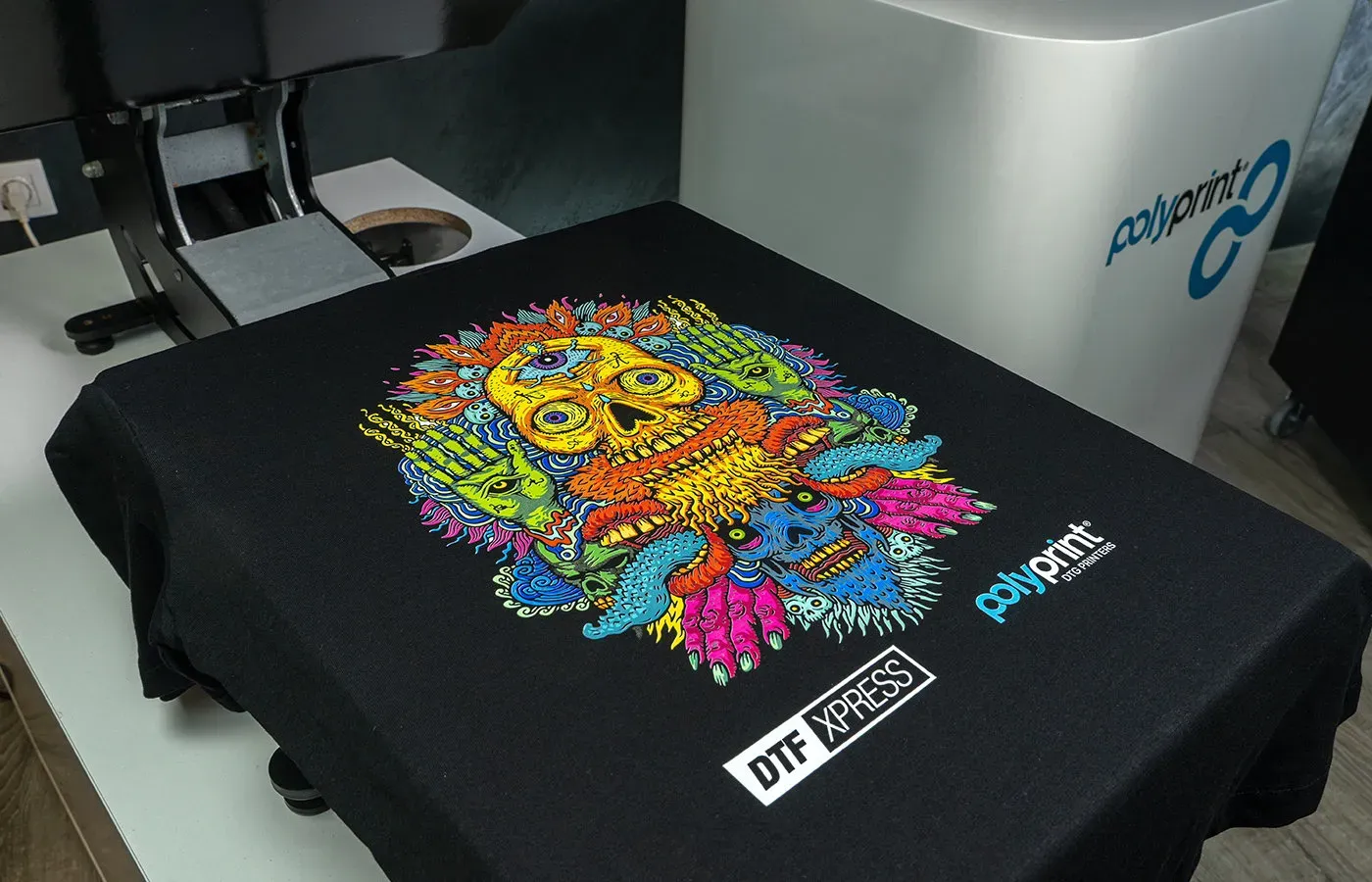
DTF printing, or Direct to Film printing, is rapidly revolutionizing the fabric printing landscape with its remarkable versatility and efficiency. This cutting-edge technology allows for intricate designs to be printed on a specialized film and seamlessly transferred onto various fabrics, making it ideal for both large manufacturing operations and individual artisans. The benefits of DTF printing are manifold, including its eco-friendly options, which appeal to the growing demand for sustainable practices in the textile industry. Fashion enthusiasts, promotional product creators, and DIY aficionados alike can leverage the capabilities of DTF printing technology to create custom fabric prints that stand out. In the following sections, we will explore 10 lesser-known yet fascinating features of DTF printing that could elevate your understanding and utilization of this innovative method.
Direct to Film (DTF) printing, often regarded as the future of textile printing, is gaining traction for its unique ability to produce vibrant and durable fabric designs. This method, which involves printing designs directly onto a transfer film before applying them to fabric, is particularly beneficial for custom fabric printing projects. With its array of advantages, including quick application speeds and eco-friendly ink options, DTF provides a sustainable alternative to traditional techniques. As businesses and entrepreneurs delve into this realm, understanding the subtleties of DTF printing, from its operational efficiencies to its contribution to the customization movement, becomes crucial. Join us as we uncover ten essential insights into this dynamic printing process that promise to enhance your fabric printing game.
Understanding DTF Printing Technology
Direct to Film (DTF) printing is a cutting-edge technology making waves in the textile industry. At its core, DTF printing involves printing designs on a special film that is then heat-transferred onto fabric. This innovative method provides incredible detail and vibrancy, catering to a wide array of fabric types, from cotton to synthetic blends. The ability to print directly onto films allows for quicker design transitions and a broader range of color applications, giving designers the creative freedom to experiment like never before.
Another significant advantage of DTF printing technology is its efficiency. It streamlines the printing process, reducing the time it takes to produce large quantities of fabric prints. With the rise of e-commerce and custom fabric printing demands, DTF printing methodologies can meet market needs without compromising quality. For businesses, this means faster production rates and the capability to respond swiftly to customer requests, which is essential in today’s fast-paced market.
Benefits of DTF Printing for Fabric Customization
The benefits of DTF printing extend beyond just the process itself; it also significantly enhances fabric customization. One of the most notable advantages is its ability to produce unique and intricate designs with relative ease. Businesses can now offer individualized prints at competitive prices, democratizing customization and making it accessible to a broader audience. This is particularly beneficial in sectors like fashion, where unique designs can attract niche markets.
Moreover, DTF printing enables small businesses to compete with larger players by reducing setup costs traditionally associated with high-volume printing. With its low waste and versatile printing capabilities, entrepreneurs can create smaller batches of customized products without incurring significant costs. This encourages innovation and creativity, allowing individuals or small businesses to thrive in a competitive marketplace.
Eco-Friendly DTF Printing Practices
As sustainability becomes ever more critical in consumer choices, the DTF printing industry is stepping up its game. Many manufacturers have shifted to eco-friendly inks, employing water-based formulas that are less harmful to the environment compared to solvent-based alternatives. This transition represents a broader movement within the industry toward reducing environmental impact while still delivering high-quality output.
By investing in eco-friendly DTF printing practices, businesses can not only appeal to environmentally conscious consumers but also enhance their brand reputation. These sustainable methods contribute to a greener economy, allowing companies to take pride in their environmental stewardship while providing vibrant, lasting prints. This commitment to sustainability is increasingly vital as consumers seek out brands that prioritize eco-conscious practices.
Exploring Specialty Finishes in DTF Printing
Specialty finishes are one of the most exciting aspects of DTF printing and can dramatically elevate a product's appeal. Beyond standard prints, DTF technology offers options like metallic inks, glitter finishes, and even glow-in-the-dark elements, providing customers with unique products that stand out in a crowded marketplace. This versatility in finishes allows businesses to cater to specific trends and consumer desires, pushing the boundaries of what's possible in fabric design.
Integrating these specialty finishes into DTF printing not only enhances the aesthetic quality of designs but also meets the growing consumer demand for individualized, statement pieces. As businesses explore these options, they create opportunities to differentiate themselves in a competitive industry, ultimately leading to increased customer engagement and satisfaction.
The Future of DTF Printing Market Growth
The DTF printing market is on the brink of significant expansion, thanks to technological innovations and evolving consumer preferences. Market analysts anticipate that as awareness of DTF printing benefits grows, more businesses will adopt this versatile technology. This increase in adoption is fueled by a rising demand for customized products across various sectors, including fashion, merchandising, and promotional items.
Moreover, as the technology improves, we can expect to see even more applications for DTF printing, attracting diverse industries. This potential for market growth opens avenues for businesses to invest in DTF capabilities, allowing them to diversify their offerings and improve customer engagement. Staying abreast of these trends will be essential for anyone involved in the textile industry looking to capitalize on the future of fabric printing.
Engaging with DTF Printing Learning Opportunities
For those interested in deepening their knowledge of DTF printing, engaging in workshops and trade shows can be immensely beneficial. Events like the upcoming DTF Expo 2025 provide crucial networking opportunities and insights into the latest industry advancements. These platforms allow practitioners, from beginners to seasoned professionals, to connect, share experiences, and discuss the evolving landscape of DTF technology.
Participating in these learning experiences not only enhances individual skills but also fosters innovation within businesses. As attendees share ideas and techniques, they can elevate their own practices, contributing to a vibrant DTF community that thrives on collaboration. By embracing educational opportunities, businesses can stay competitive and adaptable in a rapidly changing industry.
Frequently Asked Questions
What is DTF printing and how does it work?
DTF printing, or Direct to Film printing, is a modern fabric printing technique that allows for designs to be printed onto a special film and then transferred onto fabrics. This process ensures high-quality, vibrant prints on a variety of materials, making DTF printing a versatile choice for custom fabric printing.
What are the benefits of using DTF printing for custom fabric printing?
The benefits of DTF printing include versatility across different fabric types, cost-effectiveness for small batches, fast production speeds, and the ability to use eco-friendly materials such as water-based inks. These advantages make DTF printing an appealing option for both small businesses and larger operations.
How does eco-friendly DTF printing impact the textile industry?
Eco-friendly DTF printing uses water-based inks that are less harmful to the environment than traditional solvents, aligning with the textile industry's shift towards sustainable practices. This not only reduces the carbon footprint but also meets consumer demand for greener products, making the business more appealing to eco-conscious customers.
What types of fabrics can be used with DTF printing technology?
DTF printing technology is highly versatile and can be used on various fabric types, including cotton, polyester, and blends. This adaptability allows designers to create customized textiles for apparel, home goods, and more, catering to a wide range of customer preferences.
Can DTF printing achieve specialty finishes for custom designs?
Yes, DTF printing can achieve specialty finishes such as metallic effects, glitter, and glow-in-the-dark features. These unique options enhance the aesthetic appeal of custom fabric printing, allowing businesses to differentiate their products in a competitive market.
What does the future hold for DTF printing in the textile market?
The future of DTF printing looks promising, with expected market growth driven by technological advancements and the increasing demand for personalized products. As DTF printing continues to evolve, it holds the potential for significant innovation and expansion within the textile industry.
| Key Point | Explanation |
|---|---|
| Versatility of Fabrics | DTF printing works on a variety of materials including cotton, polyester, and blends, allowing for diverse product applications. |
| Eco-Friendly Advances | Many companies are now using water-based inks which are less harmful to the environment, promoting a sustainable approach. |
| Innovative Ink Technology | New formulations of DTF inks offer vibrant colors and enhanced durability, preventing issues like cracking and peeling. |
| Production Speed | DTF printing enables fast production speeds ideal for businesses needing quick turnarounds for custom orders. |
| Cost-Effective for Small Batches | Lower setup costs and reduced waste make DTF printing a great option for small businesses and independent creators. |
| Specialty Finishes | DTF printing allows for unique finishes such as metallic or glitter prints, drawing more customers looking for eye-catching designs. |
| Integration with Automation | Automated systems streamline DTF printing processes, increasing efficiency and reducing errors. |
| Events and Workshops | Workshops and expos like DTF Expo 2025 provide learning and networking opportunities in the DTF printing community. |
| Democratizing Customization | DTF printing has made personalized apparel more accessible, catering to both businesses and individual consumers. |
| Market Growth | Predicted significant growth in DTF printing market due to technological advancements and rising demand for customized products. |
Summary
DTF printing is a revolutionary method in the realm of fabric printing that offers numerous advantages, such as versatility across various materials, eco-friendly practices, and rapid production capabilities. With advancements in ink technology and customizable features, DTF printing stands out for its ability to cater to both large-scale operations and smaller, independent businesses. As the industry moves towards more sustainable practices and integrated automation, DTF printing is not just a trend; it is paving the way for a future where custom fabric printing is accessible to all. Whether for personal projects or commercial needs, embracing DTF printing can unlock countless opportunities in the textile market.