
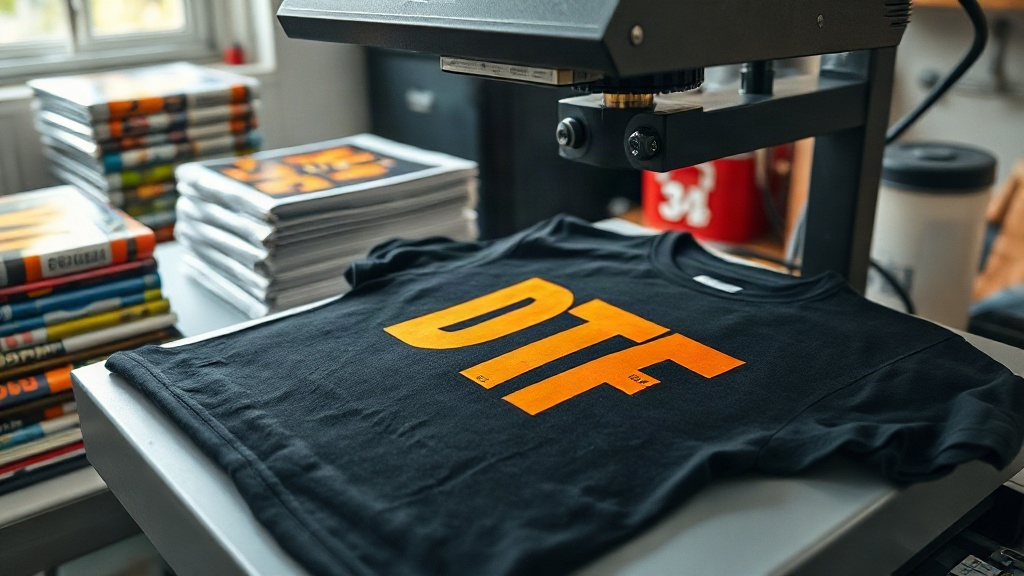
If you've been in the custom apparel game for even a short time, you've likely heard the buzz around DTF transfers. This printing method has quickly become a favorite for creators who want vibrant, durable designs without the hassle of traditional screen printing or vinyl. Whether you're a small business owner, a hobbyist, or a seasoned decorator, understanding DTF transfers can open up a world of possibilities for your projects.
In this guide, we'll walk you through everything you need to know about DTF transfers, from the basics of the process to choosing the right blanks like Shaka Wear and Smart Blanks. By the end, you'll have a clear roadmap to create stunning custom apparel that stands out.
What Are DTF Transfers?
DTF stands for Direct-to-Film. It's a printing technology where your design is printed onto a special film, coated with a powder adhesive, and then heat-pressed onto fabric. Unlike DTG (Direct-to-Garment) printing, which prints directly onto the garment, DTF transfers allow you to print on a wide range of materials, including cotton, polyester, blends, and even nylon. This versatility makes DTF a go-to choice for many decorators.
The process is relatively simple: you print your design onto the film using a DTF printer and specialized inks, apply the adhesive powder while the ink is still wet, cure the film, and then press it onto your substrate. The result is a soft, stretchable, and durable print that can withstand repeated washing.
The DTF Printing Process Step by Step
- Design Preparation: Create your artwork in a graphic design software and ensure it's mirrored (unless your printer software does it automatically).
- Printing: Load the DTF film into your printer and print the design using CMYK plus white ink. The white ink acts as a base for vibrant colors on dark fabrics.
- Powder Application: While the ink is wet, sprinkle the hot-melt adhesive powder evenly over the design. Shake off the excess.
- Curing: Place the film in a curing oven or under a heat press to melt the powder. This step is crucial for adhesion.
- Heat Pressing: Pre-press your garment to remove moisture, then press the transfer at the recommended temperature and pressure for the specified time.
- Peeling: Wait for the film to cool (or peel hot, depending on the film type) and remove it to reveal your vibrant design.
Each step requires attention to detail, but once you dial in your settings, DTF transfers become a reliable and efficient way to produce custom apparel.
Why Choose DTF Transfers for Your Custom Apparel?
There are several compelling reasons why DTF transfers have gained such a loyal following. Let's break down the key benefits.
1. Unmatched Versatility
DTF transfers work on almost any fabric. Whether you're printing on 100% cotton t-shirts, polyester performance wear, or even canvas bags, DTF can handle it. This is a game-changer for decorators who work with diverse materials. You no longer need to keep separate inventories for different printing methods.
2. Vibrant, Durable Prints
The combination of CMYK and white inks produces rich, opaque colors that pop on both light and dark garments. The adhesive powder ensures the print stretches with the fabric without cracking or peeling. When applied correctly, DTF prints can outlast the garment itself.
3. No Weeding or Cutting
Unlike heat transfer vinyl (HTV), DTF transfers don't require weeding or cutting. You simply print, powder, cure, and press. This saves hours of tedious work, especially for complex designs with fine details. It also reduces waste because you can print multiple designs on a single sheet of film.
4. Cost-Effective for Small Batches
Screen printing requires separate screens for each color, making short runs expensive. DTF transfers, on the other hand, are cost-effective for one-off items or small batches. You only pay for the ink and film you use, making it perfect for print-on-demand or personalized gifts.
5. Soft Hand Feel
Advancements in DTF films and powders have resulted in prints with a soft, flexible hand feel. They don't have the plastic-like texture of some other transfer methods, so your customers will love wearing them.
Choosing the Right Blanks for DTF Transfers
The quality of your final product depends not only on the transfer but also on the garment you press it onto. Not all blanks are created equal, and some work better with DTF than others. Here are two brands that consistently deliver excellent results with DTF transfers.
Shaka Wear: Premium Quality for Streetwear
Shaka Wear has become a staple in the custom apparel industry, especially for those creating streetwear and urban styles. Their garments are known for their heavyweight cotton, relaxed fits, and durable construction. When you press a DTF transfer onto a Shaka Wear tee, you get a premium look that appeals to fashion-forward customers.
One of the standout features of Shaka Wear is their consistent sizing and colorfastness. Their fabrics are pre-shrunk, so you don't have to worry about the garment shrinking after the first wash. The tight knit also provides a smooth surface for DTF transfers, ensuring crisp details and vibrant colors. If you're targeting the streetwear market, Shaka Wear is a brand you can trust.
Smart Blanks: Affordable and Reliable
For decorators who need a budget-friendly option without sacrificing quality, Smart Blanks is an excellent choice. These blanks are soft, lightweight, and take DTF transfers beautifully. They are ideal for promotional products, team uniforms, and everyday wear.
Smart Blanks offers a wide range of styles, from classic tees to hoodies and tank tops. Their fabrics are 100% cotton or cotton-poly blends, which are compatible with DTF transfers. The smooth surface of Smart Blanks garments allows for excellent ink adhesion, resulting in prints that look professional and last long. Plus, their affordable pricing means you can offer competitive rates to your customers while maintaining healthy profit margins.
Other Blanks to Consider
While Shaka Wear and Smart Blanks are top picks, there are other brands worth exploring. Bella+Canvas, Next Level, and Gildan are also popular for DTF. Just remember to test your DTF transfers on a sample garment before production runs, as different fabric blends and finishes can affect adhesion and feel.
Tips for Perfect DTF Transfers Every Time
Even with the best materials, mistakes can happen. Here are some expert tips to ensure your DTF transfers come out flawless.
- Pre-press your garment: This removes moisture and wrinkles, creating a smooth surface for the transfer.
- Use the right pressure: Medium to high pressure is typically recommended. Too little pressure and the transfer won't adhere; too much and the design may distort.
- Mind the temperature: Most DTF films require 300-325°F (150-160°C). Always check the manufacturer's recommendations.
- Peel correctly: Some films are hot peel, others cold peel. Follow the instructions to avoid pulling the design off.
- Post-press for durability: After peeling, give it a quick second press with a Teflon sheet to ensure the adhesive fully bonds.
- Wash inside out: Advise your customers to wash garments inside out in cold water and avoid fabric softeners to prolong the life of the print.
By following these tips, you'll minimize errors and produce DTF transfers that impress.
DTF Transfers vs. Other Printing Methods
How does DTF stack up against other popular decoration methods? Let's compare.
DTF vs. Screen Printing
Screen printing is cost-effective for large orders but requires setup time and costs. DTF is better for small batches and complex designs. Screen printing can achieve a softer feel for large areas, but DTF has improved significantly and is now comparable.
DTF vs. DTG
DTG prints directly onto the garment, which limits you to cotton fabrics. DTF works on more materials and often produces more vibrant colors on dark garments. However, DTG can be faster for single items because there's no transfer step.
DTF vs. HTV
HTV requires weeding and cutting, which is time-consuming. DTF eliminates that and can handle intricate designs with ease. HTV can be more durable for certain applications, but DTF has caught up in terms of washability.
Ultimately, the best method depends on your specific needs, but DTF transfers offer a versatile, high-quality option that's hard to beat.
Frequently Asked Questions About DTF Transfers
What fabrics can I use with DTF transfers?
DTF transfers work on a wide range of fabrics, including cotton, polyester, blends, nylon, and even leather. However, fabrics with a rough texture or heavy coatings may require special attention. Always test on a sample first.
How durable are DTF transfers?
When applied correctly, DTF transfers are highly durable. They can withstand dozens of washes without fading or cracking. Following proper washing instructions will extend their life even further.
Do I need a special printer for DTF transfers?
Yes, you need a DTF printer that uses DTF inks and can print white ink. Modified inkjet printers are available, but dedicated DTF printers are recommended for best results. Alternatively, you can outsource your transfers to a professional service.
Can I use DTF transfers on dark garments?
Absolutely. DTF transfers are particularly effective on dark garments because the white ink layer provides a bright base for the colors. This makes them stand out beautifully.
What is the best temperature to press DTF transfers?
The ideal temperature varies by film manufacturer, but most recommend 300-325°F (150-160°C) with medium to high pressure for 10-15 seconds. Always check the instructions that come with your film.
DTF transfers are a powerful tool for anyone in the custom apparel business. By choosing quality blanks like Shaka Wear and Smart Blanks, and following best practices, you can create stunning, long-lasting garments that your customers will love. Whether you're just starting out or looking to expand your offerings, DTF is a technology worth mastering.