
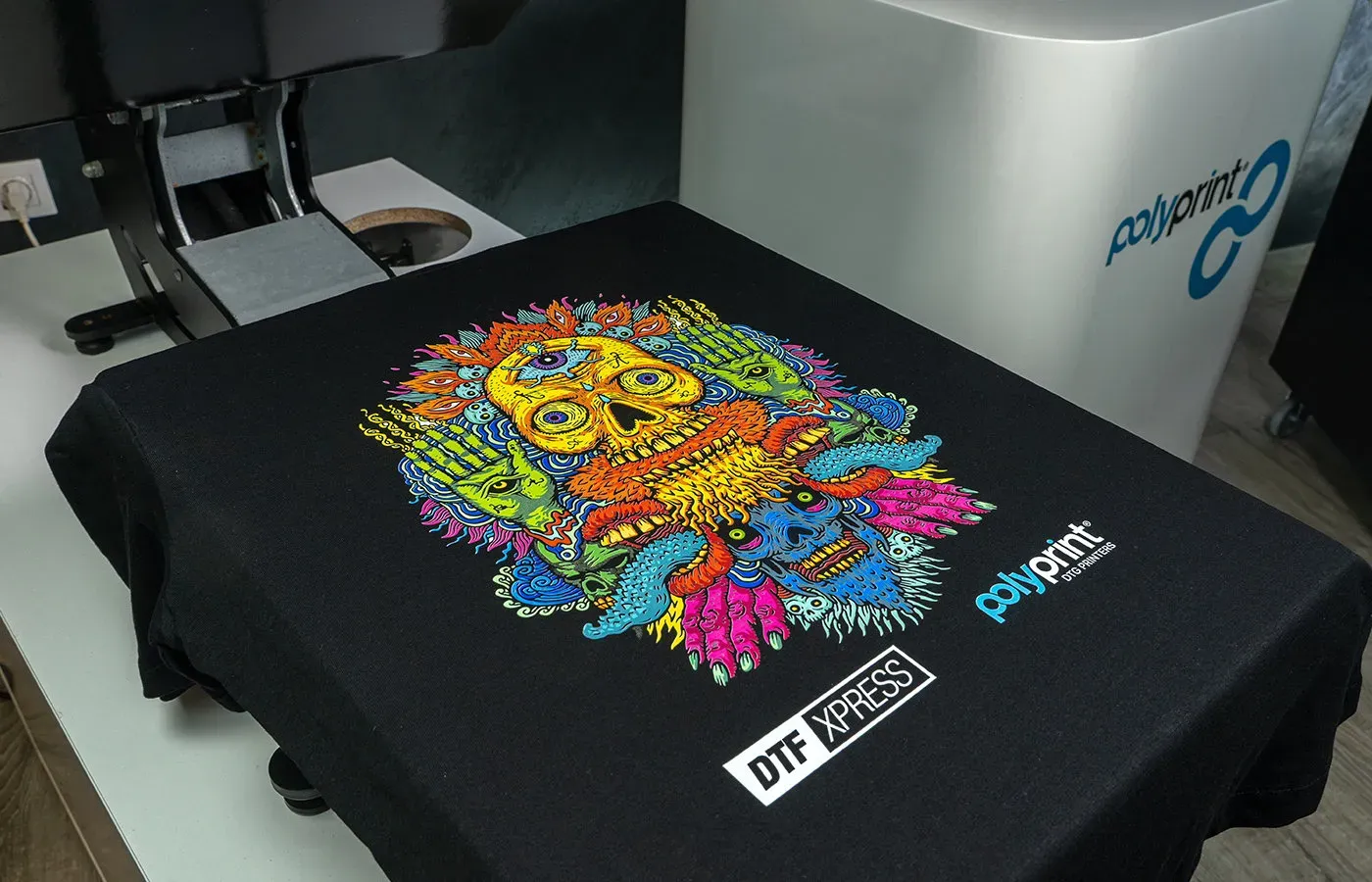
DTF printing, or Direct to Film printing, has emerged as a cutting-edge solution for those seeking high-quality design transfers. This innovative printing method involves using a specialized DTF printer to print vivid images directly onto a transfer film, which is then heat-pressed onto various substrates, making it extremely versatile. The benefits of DTF printing are numerous, ranging from durability to compatibility with various materials, allowing for intricate designs that stand out. Whether you're a DIY enthusiast or a small business owner, understanding how to do DTF printing can empower you to create custom apparel and unique merchandise efficiently. In this guide, we'll walk you through the essentials, ensuring you have the right tools and techniques to embark on your DTF printing journey with confidence.
Introducing the realm of Direct to Film printing opens a world of possibilities for creative individuals and businesses alike. Also known as DTF transfer printing, this technique revolutionizes the way designs are applied to fabrics and other materials, offering unparalleled flexibility and quality. With this advanced printing method, users can achieve vibrant colors and intricate patterns, making it an attractive choice for custom apparel and décor. As interest in this technology grows, learning the ins and outs of DTF printing becomes essential for anyone looking to harness its advantages. Throughout this guide, we will provide valuable insights, tutorials, and tips to help you navigate the exciting landscape of DTF technology.
Understanding the Basics of DTF Printing
Direct to Film (DTF) printing is gaining traction due to its ability to produce vibrant and intricate designs on a variety of surfaces. At its core, DTF printing involves printing artwork onto a specialized transfer film, which is then applied to textiles or hard materials using heat. This method stands out because it can seamlessly accommodate designs that are complex or delicate, making it an ideal choice for many artists and manufacturers looking to expand their product offerings. Compared to traditional printing methods, DTF provides unmatched versatility, allowing users to print on both light and dark fabrics as well as unconventional surfaces.
For anyone keen on entering the world of printing, understanding how DTF works is crucial. The process typically involves using a dedicated DTF printer that utilizes special inks designed for maximum adhesion and color depth. After printing, the images are coated with an adhesive powder which is melted and cured, creating a strong bond upon transfer. As a beginner, familiarizing yourself with these steps and the correct settings for your printer will set the foundation for successful DTF printing ventures.
What Are the Key Benefits of DTF Printing?
DTF printing brings a plethora of benefits that surpass many traditional methods. One of the primary advantages is the high-quality output that features vibrant colors and precise details. Unlike some other printing techniques that may compromise on color fidelity, DTF ensures that your designs pop and stand out, making them particularly appealing for promotional items or custom apparel. Additionally, DTF prints have a durability that is hard to beat; they withstand numerous washes without significant fading, making them perfect for fashion apparel and everyday wear.
Moreover, the versatility of DTF printing extends beyond just fabrics. Users can apply this technique on various substrates, including leather, wood, and even metal, which opens up endless possibilities for creative projects. This adaptability, coupled with the relatively simple equipment setup, makes DTF printing a highly attractive option for both small businesses and individual crafters looking to explore their creative potential.
Getting Started with Your DTF Printer
Embarking on a DTF printing journey requires the right equipment and a solid understanding of the process. First and foremost, acquiring a reliable DTF printer is essential. This printer should be compatible with the specific inks used in DTF printing to achieve the best results. Alongside the printer, you’ll need transfer films and high-quality inks that enhance the performance of your designs. Ensuring that these components are of top quality is vital for producing durable and vibrant prints that can withstand the test of time.
Once you have the necessary equipment, the next step is learning the techniques that can optimize your printing results. Familiarize yourself with the settings on your DTF printer, paying close attention to factors like ink density and temperature settings during the heat transfer process. Regular practice and experimentation are key; try different materials and adjust your approach based on the results. As you refine your technique, you’ll gain the confidence needed to produce stunning DTF prints consistently.
Tips for Successful DTF Printing
Success in DTF printing relies heavily on the quality of materials used and adherence to best practices. Prioritizing top-quality transfer films and inks can make a significant difference in the final product's durability and vibrancy. Low-quality materials may result in prints that peel or fade quickly, undermining the effort you put into your design. Investing in reliable supplies ensures that your creations not only look great but stand the test of time through multiple washes and uses.
Additionally, maintaining your DTF printer is crucial for achieving consistent and high-quality outputs. Cleaning the printer regularly can prevent clogs and ensure that your designs are printed evenly and flawlessly. Furthermore, engaging with online communities or forums dedicated to DTF printing can provide valuable insights and tips from experienced users. Sharing experiences can help you stay informed about the latest advancements and best practices, enhancing your skills and knowledge.
Understanding DTF Printing Techniques
The technical aspects of DTF printing are vital for maximizing the effectiveness of the process. Learning about ink compatibility is essential; not all inks can bond well with the transfer films utilized in DTF printing. Research the best combinations of inks and films to ensure even adhesion and color accuracy. Additionally, the type of film—whether matte or glossy—affects not just the appearance but also the durability of the final product, so choose wisely based on your project's needs.
Press times and temperatures can also greatly influence the results of DTF printing. Different fabrics respond uniquely to heat application, making it crucial to refer to the manufacturer’s guidelines regarding optimal settings. It may take some trial and error to perfect the technique, but understanding these nuances will significantly improve your final products. The more you practice and adjust your methods, the better you'll become at achieving high-quality results consistently.
How to Approach Your First DTF Project
As a newcomer to DTF printing, approaching your first project may feel overwhelming. However, breaking down the steps can simplify the process significantly. Begin with a small design you are passionate about; this will not only keep you motivated but also allow you to work through any challenges that may arise with essential equipment like the DTF printer and heat press. Take your time to familiarize yourself with the software used to create and adjust your designs, making sure to export them in the correct format for printing.
Once your design is prepared, print it onto the DTF transfer film following the printer’s specifications. Be attentive during the heat transfer process, monitoring time and temperature closely to achieve the best adhesion. After your first project is complete, be sure to evaluate the results critically; identify what worked well and areas for improvement. This reflective process is invaluable for mastering DTF printing techniques in future projects.
Frequently Asked Questions
What is DTF printing and how does it differ from other printing methods?
DTF printing, or Direct to Film printing, is a process that involves printing designs onto a special transfer film. This film can then be heat-applied to various substrates, such as textiles and hard surfaces. Unlike Direct to Garment (DTG) printing, which prints directly onto fabric, DTF offers greater versatility, allowing you to transfer detailed designs onto a wide array of materials.
What are the main benefits of using DTF printing?
The benefits of DTF printing include high-quality transfers with vibrant colors, versatility in application on different fabrics and materials, durability of prints that resist fading after multiple washes, and an easy learning curve for beginners.
How do I get started with DTF printing?
To start with DTF printing, you will need essential equipment including a DTF printer, transfer film, pigment inks tailored for DTF, and a heat press. Begin by learning the techniques for adjusting printer settings and experimenting with transfer times for optimal results.
What materials do I need for DTF printing?
For successful DTF printing, you will need a DTF printer compatible with specific pigment inks, high-quality transfer film, and a heat press to apply the designs. Make sure to choose materials that suit the requirements of DTF to ensure great outcomes.
Are there any special techniques to master when doing DTF printing?
Yes, mastering DTF printing involves using proper ink settings, experimenting with temperature and press times, and consistent practice. Pay attention to the type of transfer film used and regularly maintain your DTF printer for the best results.
What should I consider when choosing inks and films for DTF printing?
When selecting inks and films for DTF printing, ensure that the inks are compatible with the DTF process to achieve proper adhesion. Additionally, consider the type of film—such as matte or glossy—based on your desired final output and the characteristics of the fabrics you will work with.
| Topic | Details |
|---|---|
| Introduction to DTF Printing | DTF (Direct to Film) printing is a method of printing designs onto a transfer film that can then be heat-applied onto various substrates, particularly textiles. It is more versatile than DTG printing. |
| Market Growth | The DTF printing market was valued at $2.56 billion in 2023, with predictions of growth to $3.99 billion by 2030, showing a CAGR of about 6.50%. |
| Advantages of DTF Printing | 1. High-quality vibrant transfers 2. Versatile applications across materials 3. Durable prints that withstand washing 4. User-friendly for beginners |
| Getting Started | Essential equipment needed: - DTF Printer - Transfer Film - Pigment Inks - Heat Press Learning techniques includes proper ink settings, experimenting with transfer times, and practice. |
| Technical Considerations | Important aspects: - Ink compatibility with film - Type of film (matte vs glossy) - Appropriate press times and temperatures |
| Tips for Success | - Use quality materials - Maintain your printer - Engage with DTF printing communities for updates and tips. |
Summary
DTF printing is a revolutionary printing method that has rapidly gained popularity due to its versatility and high-quality results. Combining advanced technology with user-friendly features, DTF printing allows users to create intricate and durable designs on various substrates, making it an ideal choice for businesses and hobbyists alike. The increasing market demand indicates a bright future for this printing technique, emphasizing its significance in the current printing landscape. This guide equips you with a foundational understanding and practical tips to embark on your DTF printing journey. With the right tools and knowledge, anyone can explore the creative possibilities DTF printing has to offer.