
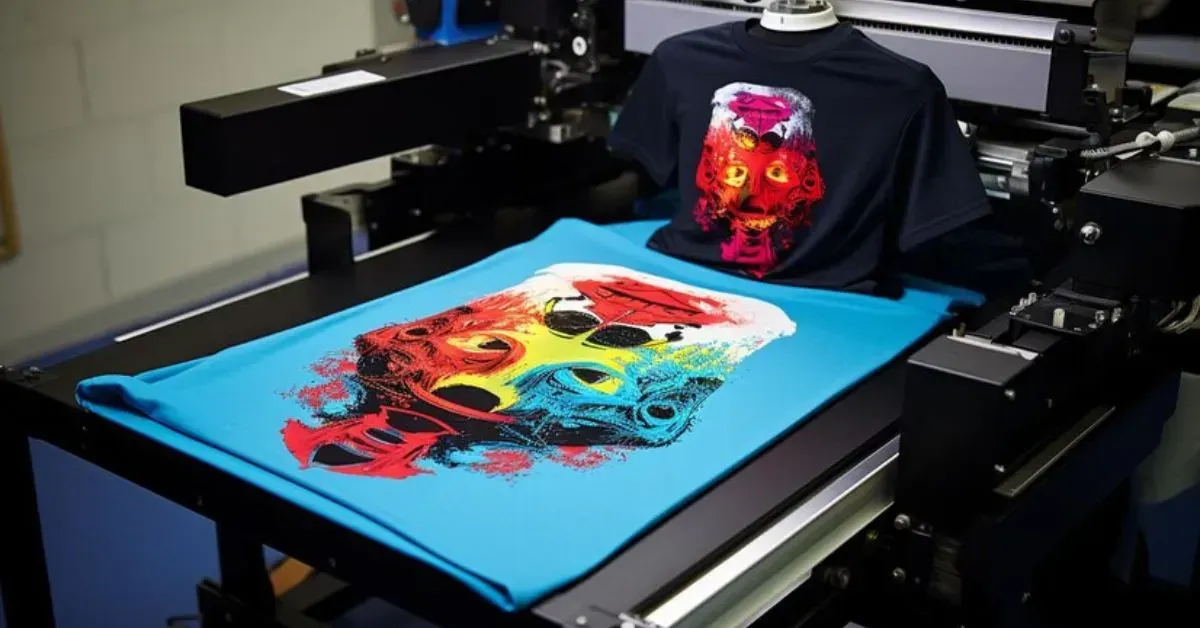
When it comes to modern printing techniques, examining the **DTF printing advantages** reveals a compelling option for businesses seeking high-quality and versatile solutions. Unlike traditional printing methods, DTF or Direct-to-Film printing leverages cutting-edge technology to produce vibrant prints on a wide range of substrates. It stands out for its ability to deliver intricate designs and vibrant colors, ensuring superior printing quality compared to conventional screen printing and DTG printing. As customer demands evolve, the advantages of DTF over its counterparts become increasingly apparent, from faster turnaround times to adaptability across materials. Embracing DTF printing can significantly enhance production efficiency, empowering businesses to thrive in a competitive market.
In the realm of innovative printing solutions, Direct-to-Film printing is emerging as a game-changer for many industries. This method, often referred to as DTF printing, utilizes advanced processes to transfer designs onto various surfaces, providing unmatched versatility. Compared to traditional methods such as silk screening or DTG printing, the benefits of using DTF are evident in its superior printing quality and efficiency. With its ability to print on diverse materials and complex designs, DTF presents a significant upgrade for businesses looking to meet the diverse needs of today’s consumers. By exploring alternative printing technologies, companies can stay ahead of the competition and deliver exceptional products that capture their audience's attention.
Understanding Direct-to-Film (DTF) Printing
Direct-to-Film (DTF) printing is a revolutionary technique that supports printing directly onto a special film, which is then transferred onto various substrates. This innovative method allows for highly intricate designs and vibrant colors, substantially elevating the quality of the printed products. Compared to traditional methods like screen printing or direct-to-garment (DTG) printing, DTF printing emerges as a frontrunner for businesses aiming for superior printing quality. By using DTF, manufacturers can provide engaging visuals that capture attention, making it an ideal choice for custom apparel and promotional products.
Moreover, the DTF printing process enhances workflow efficiency by minimizing setup time and eliminating the requirement for various screens associated with screen printing. This fundamental shift allows for quicker adaptations in design changes, making DTF particularly appealing to businesses that thrive on creativity and agility in product offerings. With its rise in popularity, DTF opens new avenues for diversifying product lines while meeting the specific demands of customers.
The Versatility of DTF Printing
One of the defining features of DTF printing is its remarkable versatility. Unlike traditional printing methods, which are often limited to specific textiles, DTF can process a multitude of materials ranging from fabrics like polyester and cotton blends to hard surfaces such as metal, wood, and glass. This flexibility empowers businesses to satisfy a wider array of customer preferences, contributing to increased market competitiveness. For example, whether a customer desires personalized gifts or unique promotional items, DTF can accommodate various requests that might be challenging for other printing techniques.
Additionally, DTF printing supports a vast spectrum of fabric colors, including dark and vibrant shades, without compromising the quality of the colors printed. Many businesses that once struggled with producing vivid prints on darker materials will find that DTF allows them to achieve striking results effortlessly. This capability positions DTF as a preferred choice for fashion brands, merchandise creators, and promotional product companies looking to broaden their print offerings.
Cost-Positive Aspects of DTF Printing
Cost-effectiveness stands out as one of the most significant advantages of DTF printing when compared to traditional printing methods, particularly screen printing. Traditional methods often involve hefty costs associated with screen setup for various colors, including the materials and labor required to create those screens. DTF printing simplifies this process by utilizing a digital approach that eliminates need for multiple screens, significantly reducing overhead costs. This allows businesses to operate within tighter budgets while still delivering high-quality products.
Moreover, DTF printing provides rapid production capabilities, facilitating lower costs per unit, particularly for smaller orders. In a competitive market, the ability to produce diverse designs at lower costs can lead to increased profit margins. As businesses adapt to the fast pace of consumer demand, DTF offers a financially viable solution to meet production needs without sacrificing quality.
Enhanced Production Speed with DTF
The speed of production plays a vital role in the success of any printing business. In today’s market, customers often expect quick turnarounds, and DTF printing excels in this area by enabling rapid multi-design print runs. Unlike traditional methods, which may require intricate setups and lengthy preparation times, DTF printing directly prints designs onto film and transfers them in one-go, streamlining the overall process. This capability not only enhances efficiency but also helps businesses meet essential deadlines and customer expectations.
Faster production times can significantly impact customer satisfaction and retention rates. During peak seasons or promotional periods, the ability to quickly fulfill large volumes of orders can set a business apart. By implementing DTF printing technology, companies can position themselves as reliable and responsive to market needs, leading to stronger brand loyalty and repeated business from satisfied customers.
Durability and Quality of DTF Prints
When it comes to printing solutions, durability is paramount. DTF prints are engineered to withstand the rigors of regular use, ensuring that they resist fading, cracking, and peeling long after application. This level of resilience is crucial for customers who demand products that maintain their quality through repeated washing and wear. In contrast, traditional printing methods can often produce less durable results, necessitating ongoing investments in replacements or additional prints.
The high quality of DTF printing does not compromise on detail or design integrity either. The technology supports high-resolution outputs that capture intricate designs and vibrant colors impeccably. Businesses that leverage DTF can confidently offer their customers long-lasting designs that are visually appealing, thus enhancing customer perception and encouraging repeat purchases.
Environmental Benefits of DTF Printing
In an era where sustainability is a priority, DTF printing surfaces as an environmentally friendly alternative to conventional printing methods, particularly screen printing. Traditional printing processes generate significant waste through the need for physical screens and excessive inks, whereas DTF utilizes a more efficient application of eco-friendly, water-based inks. This reduction in material waste not only lessens the environmental footprint of the production process but also aligns with the growing consumer preference for sustainable products.
By adopting DTF printing, businesses not only enhance their operational efficiency but also demonstrate a commitment to sustainable practices. As more consumers seek to support environmentally conscious brands, implementing DTF technology can boost brand reputation and aid in attracting eco-aware customers. This dual advantage of cost-effectiveness and environmental responsibility positions DTF printing as a forward-thinking choice in an evolving market.
Frequently Asked Questions
What are the key DTF printing advantages over traditional printing methods?
DTF printing offers several advantages over traditional methods, including high-quality output with vibrant colors, versatility in printing on various substrates, cost-effectiveness due to reduced setup costs, faster turnaround times, and enhanced durability against fading and cracking.
How does DTF printing quality compare to screen printing and DTG printing?
The printing quality of DTF excels compared to screen printing and DTG printing, particularly for complex designs. DTF provides sharper details and richer colors, ensuring that even intricate artworks are reproduced with precision and clarity.
Why is DTF printing considered more cost-effective than screen printing?
DTF printing is more cost-effective than screen printing because it eliminates the need for multiple screens, reducing setup time and costs. This efficiency allows for both small and large orders to be printed economically, making it an attractive option for businesses.
What substrates can benefit from the advantages of DTF printing?
DTF printing boasts versatility and can be applied to a wide variety of substrates, including cotton, polyester, blends, and hard surfaces like metal and glass. This allows businesses to cater to diverse customer needs and expand their product offerings.
How does DTF printing ensure faster turnaround times compared to traditional methods?
DTF printing supports simultaneous printing of multiple designs, significantly increasing production speed. This capability allows businesses to meet tight deadlines and respond quickly to customer demands, especially during peak seasons.
What environmental benefits does DTF printing have over traditional printing methods?
DTF printing utilizes eco-friendly, water-based inks and minimizes waste by requiring fewer screens compared to methods like screen printing. This reduces its ecological footprint, making it a more sustainable choice for businesses focused on environmental responsibility.
| Advantage | Description |
|---|---|
| High-Quality Output | Delivers vibrant, sharp, and detailed prints that stand out, reproducing fine designs and images with high resolution. |
| Versatility with Substrates | Can print on various materials including polyester and hard surfaces, and works well on different garment colors. |
| Cost-Effectiveness | Reduces production costs by eliminating multiple setups required in traditional methods, making it economical for all order sizes. |
| Faster Turnaround Times | Allows multiple designs to be printed simultaneously, significantly enhancing production speed. |
| Durability | Prints are resistant to fading, cracking, and peeling, ensuring a longer product lifespan. |
| Environmental Considerations | Uses eco-friendly, water-based inks reducing waste compared to traditional methods. |
Summary
DTF printing advantages are becoming increasingly important for businesses looking to enhance their production capabilities and meet customer demand effectively. This innovative method not only provides high-quality output with vibrant colors and intricate details but also offers unparalleled versatility across various substrates, including hard surfaces. Economically, DTF printing is a game-changer, significantly reducing costs associated with traditional printing methods while ensuring faster turnaround times. Additionally, the durability of DTF prints contributes to customer satisfaction, as products maintain their quality over time. Finally, with its environmentally friendly approach, DTF printing positions businesses to take a step towards sustainable practices in an industry increasingly focused on ecological impact. As such, DTF printing stands out as a superior choice in the modern printing landscape.