
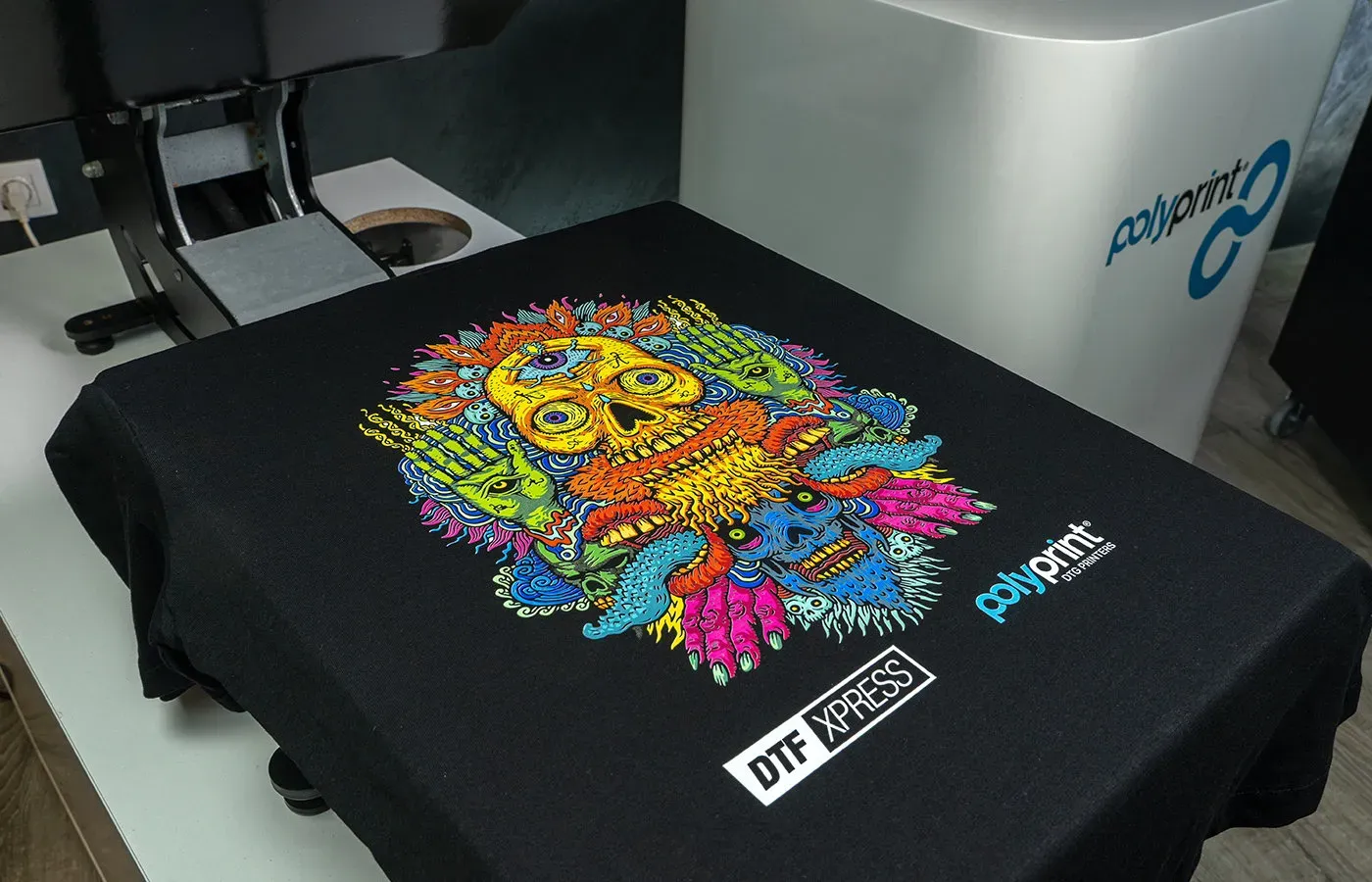
DTF printing, or Direct-to-Film printing, has revolutionized the world of textile printing by providing exceptional quality, versatility, and durability in one streamlined process. This innovative technique allows for vibrant designs to be printed on films, which are then transferred onto various fabrics using heat and pressure. To maximize DTF printing success, it's crucial to adhere to best practices and leverage helpful DTF printing tips that can transform your output from average to extraordinary. In this comprehensive guide, we will explore strategies for DTF transfer success, emphasizing critical elements such as material selection, printer settings, and post-print care. By following these guidelines, you can ensure that your DTF printing produces eye-catching, high-quality results that stand out in a competitive marketplace.
The process of Direct-to-Film printing, often abbreviated as DTF, utilizes advanced technology to create stunning fabric prints. This method is distinct from others like Direct-to-Garment (DTG), offering unique advantages such as compatibility with diverse fabric types and stronger adhesion. With the right knowledge and techniques, including adopting the best practices for DTF, anyone can achieve remarkable outcomes. As we delve further into this topic, you’ll discover essential insights on optimizing ink quality, curing processes, and experimentation that enhance print longevity and vibrancy. Embracing the principles surrounding DTF transfer success can provide you with the tools needed to elevate your fabric printing endeavors.
The Advantages of DTF Printing
DTF printing, or Direct-to-Film printing, has gained popularity in the textile industry for several compelling reasons. This method allows for complex and colorful designs to be transferred onto garments with unparalleled precision. One of the primary advantages of DTF printing is its versatility; it works seamlessly with a variety of fabric types, from cotton to polyester blends. The ability to use a wide range of materials opens up various creative opportunities for designers and manufacturers.
Moreover, DTF printing is known for its durability and excellent color retention. Unlike other printing methods, DTF prints can withstand multiple washes without significant fading, ensuring that your designs stay vibrant over time. This longevity not only enhances customer satisfaction but also reduces the need for reprints, ultimately saving time and resources in the production process.
Key Materials for Optimal DTF Printing
Selecting the right materials is vital for achieving high-quality DTF prints. High-quality PET film is essential, as it provides a suitable surface for the ink to bond effectively during transfer. A matte finish on the film allows for better ink retention, resulting in sharper and more vivid prints. Pairing this with high-quality DTF inks ensures that colors remain bright and do not wash out over time. The investment in premium materials establishes a strong foundation for any DTF printing project.
In addition, understanding the different types of fabrics that work well with DTF printing can significantly enhance the quality of prints. Fabrics such as cotton and cotton blends often yield the best results due to their ability to absorb the ink better than synthetic materials. Pre-treating these fabrics before printing helps to enhance adhesion, which is crucial for creating durable, long-lasting prints.
DTF Printing Tips for Beginners
For those new to DTF printing, navigating the intricacies of the process can seem daunting. One of the most important tips is to experiment with printer settings. Adjusting the DPI (dots per inch) settings to a higher resolution—notably between 600 to 1200 DPI—can dramatically enhance the clarity and detail of your prints. Additionally, adjusting ink density can help you achieve the perfect balance of vibrant color while maintaining detail.
Furthermore, pre-treatment is a critical step that should not be overlooked. Applying a pre-treatment solution can significantly improve the ink's adherence to the fabric. This step is not just about enhancing adherence; it also plays a crucial role in achieving vivid colors and detailed designs. Therefore, beginners should invest time in mastering pre-treatment techniques to elevate their printing quality.
The Importance of the Curing Process in DTF
The curing process is where the magic of DTF printing truly occurs. During this phase, the effectiveness of the heat press becomes critical. Setting the heat press to the correct temperature and pressure is vital for ensuring a successful transfer. A standard temperature range of around 320°F (160°C) for 10-15 seconds typically yields excellent results. However, specific films may require slight adjustments, so it’s essential to adhere to the manufacturer's specifications.
Additionally, understanding the importance of pressure in the curing process is crucial. Insufficient pressure can lead to poor adhesion, while excessive pressure may damage the film itself. Achieving the right balance is key not only to maintain the integrity of the film but also to ensure that your prints hold up well through multiple washes. Mastery over the curing process can significantly influence the quality of your final product.
Best Practices for Post-Print Handling
Post-print handling is a crucial aspect that can make or break your DTF printing success. After the transfer has been made, it is essential to allow the prints to cool down completely before peeling away the film. This step is not just a recommendation; it is a necessary practice that prevents smudging and enhances the quality of the final product. If the print is still warm during peeling, the ink may come off or smudge, leading to defects.
Moreover, treating the transfers with care during the peeling process is equally important. Gentle handling ensures that the integrity of the print remains intact, avoiding any potential damage that could compromise the appearance and durability of your designs. Implementing these best practices will not only enhance the quality of your final products but also improve client satisfaction and brand reputation.
Keeping Up with DTF Printing Trends
In the fast-paced world of DTF printing, staying updated with industry trends can set you apart from the competition. New materials, inks, and techniques are continuously emerging, which can offer enhanced efficiency and quality in your printing endeavors. By subscribing to industry publications and networks, you can gain insights into innovative practices that can help streamline your workflow and inspire new designs.
Additionally, engaging with online communities and forums can provide valuable advice and tips from fellow printers across the globe. Sharing knowledge and experiences with others in the DTF community can lead to new collaborations and fresh ideas. Embracing these trends can help you maintain a competitive edge and keep your printing business thriving in a dynamic market.
Frequently Asked Questions
What is DTF printing and how does it differ from other printing methods?
DTF printing, or Direct-to-Film printing, is a modern printing technique that involves printing designs onto a special film, which are then transferred to fabric using heat and pressure. Unlike Direct-to-Garment (DTG) printing, which prints directly onto the fabric, DTF printing allows for better ink adherence and durability, making it suitable for a wider variety of fabrics.
What materials should I use to maximize DTF printing success?
To maximize your DTF printing success, choose high-quality materials including a matte PET film for better ink retention and durability. Additionally, use specially formulated DTF inks designed for optimal bonding with both the film and fabric, ensuring vibrant and long-lasting prints.
Is pre-treatment necessary for successful DTF printing?
Yes, pre-treatment is essential for successful DTF printing. It enhances ink adhesion to the fabric, especially for cotton and cotton-blend materials, resulting in vibrant colors and prints that withstand repeated washes. Omitting this step may lead to poor print quality and shorter garment lifespan.
What are the optimal printer settings for DTF printing?
For optimal DTF printing results, set your printer resolution between 600-1200 DPI to achieve high detail and clarity. Additionally, adjust the ink density to balance color richness and design intricacy, tailored to your chosen fabric for best results.
How important is the curing process in DTF printing?
The curing process is vital in DTF printing as it transforms your prints into durable designs. Use a heat press set to approximately 320°F (160°C) for 10-15 seconds, ensuring proper pressure is applied. Proper curing ensures excellent adhesion and longevity of the prints on fabric.
What are the best practices for post-print handling in DTF printing?
Post-print handling is crucial for maintaining print quality. Allow prints to cool completely before peeling the film to avoid smudging. Handle transfers delicately during the peeling process to prevent damage, ensuring you achieve a flawless final product.
| Key Point | Description |
|---|---|
| Understanding DTF Printing | DTF printing uses specialty films and inks to transfer vibrant designs onto fabric, providing durability and versatility. |
| Choosing the Right Materials | Select high-quality PET film and DTF inks that bond well and retain color vibrancy after washes. |
| Pre-Treatment | Applying pre-treatment enhances ink adhesion to fabric, especially for cotton blends. |
| Optimal Settings for Printing | Use higher DPI and adjust ink density for improved clarity and color richness. |
| Curing Process | Heat press settings (temp and pressure) are crucial for effective transfer and durability. |
| Post-Print Handling | Allow prints to cool and handle carefully to avoid smudging and damages. |
| Equipment Maintenance | Regular cleaning and checks on equipment will optimize performance and reduce costs. |
| Experimentation | Testing different fabrics and techniques can lead to unique and exceptional print quality. |
| Stay Updated with Trends | Follow industry advancements to enhance print quality and keep a competitive edge. |
Summary
DTF Printing is a revolutionary method that combines ink and film technology to produce stunning fabric designs with lasting durability. To achieve the best results, it is essential to grasp the fundamentals, from selecting high-quality materials and understanding pre-treatment processes to fine-tuning printer settings and ensuring proper curing. Regular equipment maintenance, careful post-print handling, and a commitment to experimentation can significantly enhance your output. Moreover, staying abreast of industry trends will not only improve your DTF printing techniques but also keep your business competitive in a dynamic market. With these tips and practices, you can transform DTF printing into a powerful tool for creativity and professionalism.