
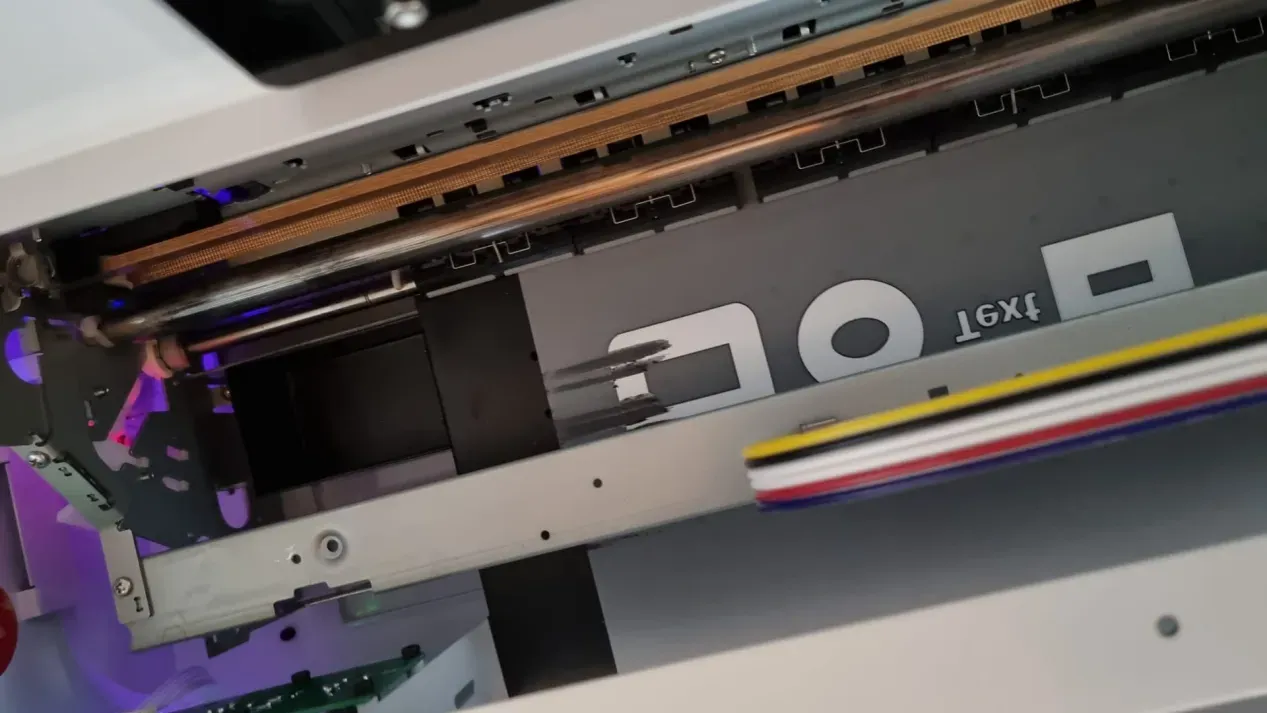
DTF printing troubleshooting can often feel overwhelming, especially for those venturing into this dynamic field of fabric printing for the first time. This innovative method, which combines vibrant visual output with efficiency, presents unique challenges that can impact both productivity and quality. Understanding how to address common DTF printing problems is essential for any business seeking to enhance its print quality solutions and maintain a competitive edge. In this article, we will delve into effective strategies for fixing DTF printing issues, revealing essential maintenance tips that can streamline your processes. By utilizing these insights, you can transform potential setbacks into opportunities for improvement and success.
Direct-to-Film (DTF) troubleshooting is a crucial process in ensuring flawless print results and maintaining operational efficiency in fabric printing. This method, characterized by its ability to produce high-quality adornments on various substrates, can sometimes lead to unexpected challenges that hinder performance. To navigate these common issues effectively, it’s important to employ a variety of DTF print quality solutions that address everything from equipment maintenance to software synchronization. By regularly examining your DTF printing setup and being proactive about potential complications, you can foster an environment where creativity flourishes and operational hiccups become easier to manage.
Understanding DTF Printing Technology
Direct-to-Film (DTF) printing technology has transformed the way businesses approach fabric printing. It involves transferring high-resolution designs onto a specially coated film, which is then applied to the substrate using a heat press. This process not only allows for detailed and vibrant prints but also conserves resources by minimizing waste. Nurturing a good understanding of DTF technology is critical for effective troubleshooting, as many issues stem from a basic misunderstanding of the mechanics involved.
Higher print quality is achievable when the DTF printing process is thoroughly understood. This entails knowledge of optimal temperature settings, printer calibration, and the type of ink used. It’s vital for users—especially businesses—to familiarize themselves with these parameters, as they directly affect the final output. By mastering these elements, businesses can avoid common pitfalls associated with DTF printing, paving the way for a smoother production experience.
Common DTF Printing Problems and How to Solve Them
Business owners often face various challenges when using DTF printing, including issues like poor print quality, color mismatches, and media discrepancies. For example, prints may appear faded or blurry, which can directly impact customer satisfaction. To address such quality-related problems, it is essential to first check the printer settings and ensure compatibility with the media being used. Proper adjustments can significantly reduce the occurrence of these issues, leading to better outputs.
Additionally, regular maintenance plays a crucial role in circumventing common DTF printing problems. Users should keep their printers clean, ensuring that nozzles are clear and ink levels are appropriate. Implementing a routine cleaning schedule can enhance print quality and prevent long-term damage to the equipment. Ignoring maintenance can lead to a build-up of dried ink, which can cause blockages and inefficient functioning of the printer.
Fixing DTF Printing Issues Effectively
When encountering DTF printing issues, it's essential to adopt systematic troubleshooting strategies. For instance, if you notice that your prints are not adhering properly to fabrics, consider first examining the type of film used and the heat settings applied. Incorrect pressure or temperature during the transfer process could easily result in unsatisfactory adhesion. Therefore, ensuring that you're using compatible materials and calibrating equipment correctly is crucial for a successful print.
Moreover, color mismatch can be particularly frustrating. To fix this issue, users should invest time in calibrating their printers regularly. A well-calibrated printer ensures consistent color output that accurately reflects digital designs. Additionally, utilizing high-quality inks compatible with your DTF setup contributes significantly to achieving the desired vibrant colors, thus minimizing discrepancies between print and digital design.
DTF Printing Maintenance Tips for Optimal Performance
To maintain DTF printing equipment and ensure its longevity, regular maintenance is non-negotiable. This involves routinely cleaning printer heads, inspecting ink systems for clogs, and checking for signs of wear and tear on the print media path. By being proactive, business owners can catch potential issues early before they escalate into significant failures.
Additionally, learn to handle inks and media properly. Store them in suitable conditions, ideally in cool, dry locations, and adhere to the recommended shelf-life. Ignoring these maintenance tips could lead to poor print quality, reduced print lifespans, and unnecessary expenditure on repairs and replacements.
Advanced DTF Print Quality Solutions
Improving print quality often requires leveraging advanced DTF printing technologies and techniques. For instance, using updated RIP software tailored for DTF printing can enhance color accuracy and overall print fidelity. By incorporating modern calibration tools and software updates, users can achieve sharper images and vibrant colors that align closely with their design intentions.
Furthermore, investing in higher-quality inks and films designed specifically for DTF applications can also lead to notable improvements in print quality. Many businesses are now adopting premium formulations that offer better adhesion, vibrancy, and resistance to fading. Such quality enhancements not only improve customer satisfaction but also help businesses stand out in a competitive market.
Essential DTF Printing Tips for Businesses
For businesses engaged in DTF printing, understanding the nuances of the process is critical. Ensuring that employees are trained on equipment usage, maintenance practices, and troubleshooting common issues can lead to a smoother workflow. Establishing a checklist for daily operations helps to minimize the chances of encountering problems during the print process.
Moreover, joining online communities focused on DTF printing can provide invaluable support and knowledge sharing. Engaging with other professionals can lead to an exchange of tips and solutions for common issues faced in the industry. This collaborative approach not only enhances individual skill sets but also fosters innovation within your business operations.
Frequently Asked Questions
What are common DTF printing problems that might arise during operation?
Common DTF printing problems include poor print quality, color mismatches, ink blockages, mechanical failures, and software issues. Addressing these DTF printing troubleshooting points early can enhance the overall printing process.
How can I fix poor print quality in DTF printing?
To fix poor print quality in DTF printing, first check your printer settings to ensure they match the media type. Ensure you’re using the correct film type and keep your heat press calibrated for optimal temperature and pressure during the transfer.
What DTF printing maintenance tips can help prevent issues?
Regular maintenance is crucial for DTF printing. Clean printer heads frequently, store inks properly, and regularly inspect your printer for wear and tear to prevent common DTF printing issues from arising.
What should I do if I encounter color mismatch in DTF printing?
If you experience color mismatch in DTF printing, regularly calibrate your printer’s color profiles and use high-quality inks designed specifically for DTF printing to reduce discrepancies between the digital design and the printed output.
How can businesses troubleshoot mechanical failures in DTF printing?
Businesses can troubleshoot mechanical failures in DTF printing by conducting routine maintenance, checking for dust accumulation, and adhering to manufacturer guidelines for servicing to ensure smooth operations and prevent jams.
What software issues can occur in DTF printing and how can I resolve them?
Software issues in DTF printing, such as crashes or misalignment, can often be resolved by keeping your RIP software updated and ensuring that the correct drivers are installed and configured to support DTF printing.
| Issue | Symptoms | Solutions |
|---|---|---|
| Poor Print Quality | Faded colors, blurriness, or poor adhesion. | Check printer settings, ensure correct film type, optimize temperature and pressure. |
| Color Mismatch | Printed colors differ from digital design. | Calibrate printer, use high-quality inks. |
| Inks and Media Problems | Blocked nozzles, low ink output, inconsistency in color. | Regular cleaning and proper storage of inks and films. |
| Mechanical Failures | Printer jams, unusual noises, operation failures. | Conduct routine maintenance, follow manufacturer guidelines. |
| Software Issues | Software crashes or misalignment of prints. | Keep software updated, check driver settings. |
Summary
DTF printing troubleshooting is an essential part of maintaining quality and efficiency in your printing process. As with any printing technology, issues can arise that affect the output, such as poor print quality and color mismatches. Understanding these challenges and knowing how to address them can significantly improve your print results. By following best practices like regular maintenance, utilizing the right materials, and staying informed on technological advances, you can overcome common problems effectively. Engaging with online communities can provide additional insights and support, allowing businesses to navigate DTF printing troubleshooting with confidence. With the right knowledge and tools, achieving high-quality prints becomes a more manageable task, paving the way for success in the print-on-demand market.