
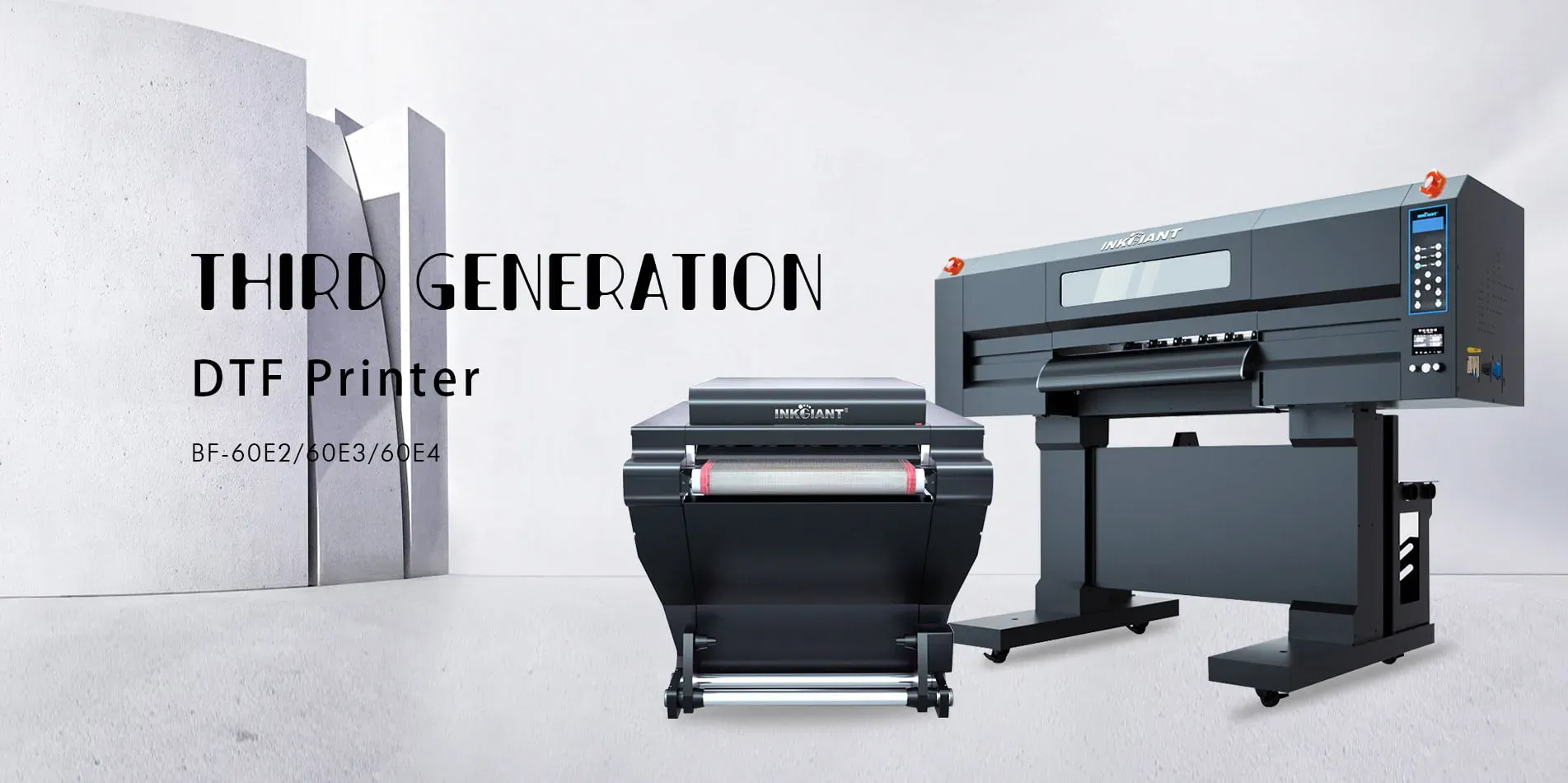
In the dynamic field of textile printing, **DTF technology**, or Direct-to-Film printing, has swiftly gained recognition for its ability to produce high-quality, vibrant prints with remarkable efficiency. This innovative approach stands out in crafting **gangsheets**, where multiple designs are transferred onto a single film sheet, enabling artists and manufacturers to optimize materials and reduce costs. As the demand for custom textile printing continues to rise, understanding the benefits and capabilities of DTF technology becomes vital for success in this competitive industry. The article delves into the cutting-edge advancements in DTF printing, emphasizing its role in transforming traditional methods and enhancing design possibilities. By embracing DTF technology, professionals can unlock new avenues for creativity and sustainability in fabric printing.
In recent years, the landscape of textile printing has been reshaped by the emergence of Direct-to-Film printing, a method often referred to simply as DTF. This technique revolutionizes how designs are applied to various fabrics, offering a fresh alternative to traditional methods like screen printing. The process of creating intricate and colorful textiles has become more accessible and efficient through the use of advanced printing technology, allowing businesses to thrive in an era that favors customization and rapid production. By exploring the intricacies of DTF technology, individuals in the industry can enhance their understanding of its advantages, such as cost-effectiveness, versatility, and high-quality results. Whether through crafting unique designs or optimizing printing workflows, DTF provides essential solutions for the modern textile marketplace.
The Evolution of DTF Printing Technology
Direct-to-Film (DTF) printing technology has evolved significantly since its inception, marking a transformative shift in the textile printing landscape. Originally developed to address the limitations of traditional printing methods, DTF technology allows for more detailed and color-rich designs. This innovative technique enables printers to use a specialized film that effectively transfers vibrant inks onto fabric, paving the way for a new era in custom textile printing. The evolution has not only improved printing speeds but also enhanced the quality and durability of printed designs.
As new printing technologies emerge, DTF continues to integrate advanced features such as improved ink formulations and capable printers that produce exceptionally high resolutions. This versatility in printing allows businesses to tackle intricate designs without sacrificing quality or increasing operational costs. Furthermore, DTF has become an efficient alternative to screen printing, particularly for smaller production runs where the traditional methods may not be economically viable.
Advantages of Using Gangsheets in DTF Printing
Utilizing gangsheets in DTF printing presents a plethora of advantages for businesses in the textile industry. By consolidating multiple designs onto one film sheet, companies can maximize the use of materials, which not only drives down production costs but also promotes a more efficient workflow. This practice allows designers to create a wider variety of custom designs without incurring additional expenses associated with setting up separate print runs for each individual piece.
Moreover, printing multiple designs together minimizes waste and reduces time spent in the printing process. This consolidation also simplifies inventory management, allowing businesses to execute bulk orders with a diverse range of styles efficiently. Gangsheets cater especially well to the demand for personalized apparel, as they provide a practical solution for quickly adapting to rapidly changing consumer preferences in the textile market.
Eco-Friendly Innovations in DTF Technology
With the rising emphasis on sustainability within the textile industry, DTF technology is stepping up by adopting greener practices. The use of water-based inks and recyclable transfer films is becoming more prevalent, ensuring that the negative environmental impacts associated with traditional printing are minimized. By prioritizing eco-friendly materials, businesses using DTF can not only meet consumer expectations for sustainability but also contribute positively to the planet.
These innovations resonate well with the growing market for ethical fashion, where consumers are increasingly seeking out products that align with their values. DTF technology not only allows for high-quality outputs, but it also embraces an approach that promotes environmental responsibility. As more manufacturers move towards sustainable practices, DTF can lead the way in setting new industry standards that prioritize eco-friendliness without compromising on quality.
Integrating Software for Enhanced DTF Printing
The integration of advanced software tools into DTF workflows has revolutionized how businesses manage their printing processes. By leveraging state-of-the-art design applications, companies can achieve better color accuracy and optimize layout for gangsheets, significantly reducing waste and improving efficiency. This software aids in calculating precise ink requirements and minimizing errors during production, which translates into faster turnaround times and reduced operational costs.
Furthermore, the sophisticated capabilities of these software solutions empower designers to experiment with complex patterns and color combinations, enriching the creative potential of DTF printing. As digital tools continue to evolve, they will play a crucial role in streamlining production, allowing businesses to adapt quickly to customer demands while maintaining exceptional quality standards. This synergy between technology and artistry is essential for staying competitive in the fast-paced realm of custom textile printing.
Market Trends Driving DTF Printing Growth
The DTF printing market is experiencing robust growth, driven by a surge in consumer demand for bespoke and high-quality textile products. Market trends indicate that businesses are increasingly favoring DTF methods over conventional techniques due to their ability to produce vibrant, intricately detailed prints that resonate with contemporary consumer preferences. This shift is particularly notable in the custom apparel segment, where clients seek unique designs that reflect their personal style.
In addition to boosting quality, DTF technology offers affordability and user-friendliness that appeal to startups and small businesses. The ease of use and lower operational costs associated with DTF printing position it as an attractive option for aspiring entrepreneurs looking to enter the competitive market of custom textile production. This increase in accessibility is further validating the potential of DTF technology to become a mainstream choice in the printing industry.
Future Directions in DTF and Custom Textile Printing
The future of DTF technology and custom textile printing is promising, with innovations on the horizon that will significantly enhance the capabilities of printers. Emerging trends suggest that advancements in printing technology will continue to push the boundaries of design possibilities, allowing for even more intricate and diverse applications. Businesses adopting these upcoming innovations will likely have a competitive edge in a marketplace continually searching for unique and personalized products.
As the textile industry evolves, the emphasis on customization and rapid production will further solidify DTF technology's position within the framework of modern printing solutions. Continuous investment in research and development will drive improvements in efficiency and sustainability, ensuring that DTF remains at the forefront of the printing landscape. In a world where consumer preferences shift rapidly, those who can adapt and innovate will thrive in the future of textile printing.
Frequently Asked Questions
What is DTF technology and how does it work?
**DTF technology**, or Direct-to-Film printing, is a modern textile printing method that prints designs onto a special transfer film. The film is then heat-pressed onto fabric, transferring vibrant, detailed designs with ease. This method allows for high-quality outputs that surpass traditional printing techniques.
How do I optimize gangsheets in DTF printing for better efficiency?
Optimizing gangsheets in **DTF printing** involves arranging multiple designs on a single film sheet, maximizing film use and minimizing production costs. Effective layout design and advanced software can further enhance efficiency, allowing businesses to produce more while saving time and resources.
What are the environmental benefits of using DTF technology for custom textile printing?
**DTF technology** promotes eco-friendly practices by utilizing water-based inks and recyclable films. This reduces the environmental impact of printing processes, aligning with the industry's growing focus on sustainability and responsibility towards environmentally friendly **custom textile printing**.
What recent advancements in DTF technology are enhancing print quality?
Recent advancements in **DTF technology** have improved printing resolution, allowing for photo-realistic images with higher quality. Newer printers utilize accurate ink application techniques, which decrease waste and elevate the overall quality of printed outputs.
Can DTF printing handle diverse fabric types effectively?
Yes, one of the significant advantages of **DTF technology** is its versatility, enabling effective printing on a variety of fabric types. This adaptability allows businesses to cater to different customer requests without interruption in production processes.
What makes DTF printing a cost-effective solution in the textile industry?
DTF printing is cost-effective due to its ability to craft high-quality **gangsheets**, which allows multiple designs to be produced from one film sheet. This method reduces material waste, lowers production costs, and ultimately increases profit margins for businesses.
| Key Point | Description |
|---|---|
| DTF Technology | A printing method that transfers designs onto textiles via a film, allowing for vibrant colors and intricate designs. |
| Enhanced Printing Techniques | Advancements in resolution and accuracy lead to high-quality outputs that surpass traditional screen printing. |
| Gangsheets Optimization | Printing multiple designs on one sheet for cost-effectiveness and increased production efficiency. |
| Eco-Friendly Practices | Use of water-based inks and recyclable films to minimize environmental impacts. |
| Advanced Software Integration | Sophisticated tools for color management and layout optimization reduce waste and costs. |
| Market Trends | Increasing demand for custom apparel and textiles boosts DTF technology adoption. |
| Benefits of Gangsheets | Cost efficiency, time savings, versatility, and high-quality output are key benefits of using gangsheets. |
Summary
DTF technology has become a transformative force in textile printing, particularly through the advanced creation of high-quality gangsheets. This innovative approach not only enhances the efficiency and cost-effectiveness of production but also aligns with the growing demand for customization and environmental sustainability in the industry. By leveraging the strengths of DTF technology, businesses are empowered to produce superior prints while meeting the diverse needs of customers in an environmentally responsible manner. As this technology progresses, it promises to redefine standards within the textile printing sector.