
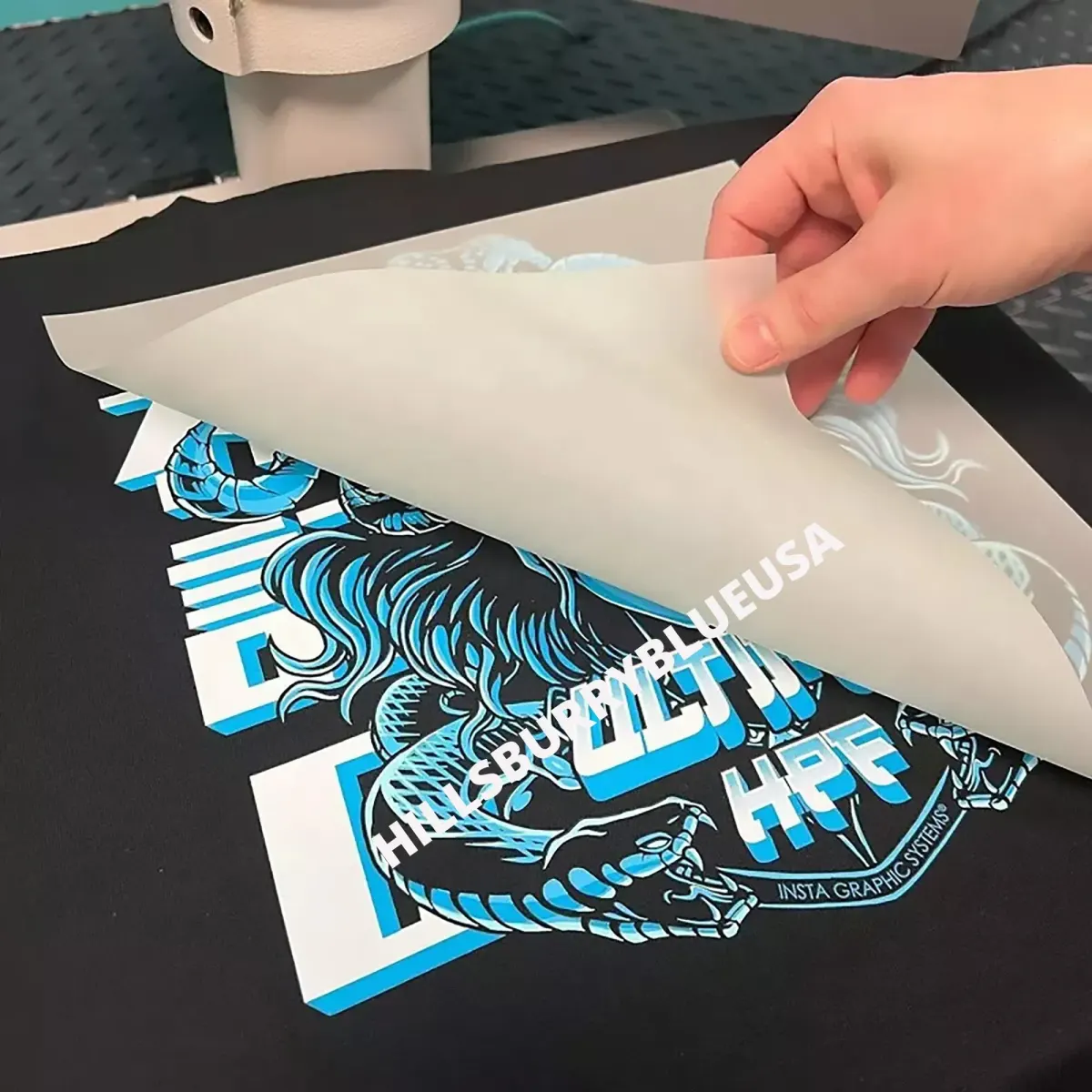
DTF transfers, or Direct-to-Film transfers, are transforming the landscape of custom t-shirt printing, providing enthusiasts and professionals alike with a way to achieve stunning, high-quality designs. By utilizing a process that allows for vibrant inks and robust adherence to various fabric types, DTF printing is becoming the go-to method for many garment decorators. In this guide, you’ll discover how to master DTF transfers—from selecting the right equipment to perfecting your designs. We’ll share best practices for DTF transfers, ensuring your creations not only look great but also withstand the test of time. Whether you are a beginner or looking to refine your skills, our comprehensive DTF transfer tutorial has you covered.
Direct-to-Film printing is an innovative technique gaining traction among custom apparel makers, thanks to its ability to deliver vivid graphics and long-lasting durability on various textile materials. This process involves printing designs onto a special film, making it an ideal choice for aspiring designers wanting to learn about modern printing methods. If you’re keen on enhancing your skills with DTF applications, understanding essential practices for transfer printing will be paramount. Our step-by-step approach will guide you through each phase, from design conception to final garment application. Explore the possibilities of this technique and elevate your printing game with our insightful resources tailored for all skill levels.
What Are DTF Transfers?
DTF transfers, or Direct-to-Film transfers, are an innovative technique that involves printing designs onto a special film that can be heat-pressed onto fabric. This process allows for the transfer of intricate designs with vibrant colors and exceptional detail, making it an excellent choice for custom t-shirt printing. Unlike traditional methods such as screen printing, DTF transfers can be used on a variety of fabrics, including cotton, polyester, and blends, making them versatile for various apparel needs.
One of the key advantages of DTF transfers is their durability. Once properly applied, the designs resist fading, cracking, and peeling, even after multiple washes. This longevity makes DTF a favorite among small business owners and hobbyists looking to offer high-quality, long-lasting products. Understanding the fundamentals of DTF transfers is essential for anyone looking to master the art of direct-to-film t-shirt printing, paving the way for creativity and customization in textile printing.
Essential Equipment for DTF Transfers
To successfully execute DTF transfers, you must invest in specific equipment that will facilitate the process. A reliable inkjet printer compatible with DTF inks is essential. Brands like Epson and Roland are often recommended due to their superior print quality and versatility for various applications. The printer should be capable of high-resolution outputs to ensure your designs turn out sharp and vibrant, which is crucial for retail-quality t-shirts.
In addition to the printer, you'll need high-quality DTF film, which serves as the canvas for your designs. This film is specifically designed to capture and hold ink, providing a smooth surface for the transfer process. Different types of DTF films, such as opaque and clear, can be selected based on the nature of your designs and the fabric colors involved. Furthermore, adhesive powder is required to bond the ink to the fabric during the heat transfer, completing your toolkit for mastering DTF transfers.
Designing for DTF Printing: Best Practices
Creating designs for DTF transfers requires careful consideration of several factors to ensure the final product meets expectations. Start by using graphic design software like Adobe Illustrator or CorelDRAW to craft your unique designs. A good design should consider elements like size, color palette, and positioning, all tailored to the specific t-shirt fabric and its texture. Keeping a harmonious color contrast, especially when working with dark fabrics, is essential to maintain vibrancy in your prints.
Formatting your design for DTF printing is equally important. Common formats such as PNG or TIFF are typically preferred for their quality and compatibility. Additionally, make sure to apply a printer profile specific to DTF printing to avoid any discrepancies in color during the transfer process. Testing your designs on spare film can also provide insight into how certain elements will appear once printed, allowing you to fine-tune your approach before initiating a full production run.
Step-by-Step DTF Transfer Process
The DTF transfer process consists of several crucial steps that, when followed correctly, ensure a high-quality final product. First, you will print your prepared design onto the special DTF film using your fitted printer and DTF ink. Mind the printer settings to achieve optimal color output and resolution; conducting a test print on a spare piece of film is always advisable to avoid wasting materials.
Once your design is printed, it’s time to apply the adhesive powder. This step is vital as the powder locks in the ink, making it ready for transfer to the t-shirt fabric. Ensure an even distribution of the powder, shaking off any excess to prevent clumps. After this, curing the print under heat ensures that the adhesive bonds correctly with the ink. This process is pivotal for durability, as it affects how well the design will withstand washing and wear.
Transferring Your DTF Design to the T-Shirt
With your cured print ready, the next step is transferring the design onto the t-shirt. Begin by carefully aligning the print on the garment, ensuring it is positioned accurately to achieve your desired look. A steady hand and a precise eye are essential here, as any misalignment can affect the final appearance of your custom t-shirt.
Using a heat press, apply the necessary heat and pressure as per the specifications outlined by the adhesive powder manufacturer. This step firmly adheres your printed design onto the shirt fabric. After pressing, allow the transfer to cool slightly before gently peeling away the film, revealing your vibrant new design. Always check for complete transfers; if areas appear to have not adhered properly, a second press may be necessary to remedy any issues.
Getting Started with DTF Printing: A Beginner’s Guide
If you’re new to DTF printing, stepping into the world of custom t-shirt production can seem overwhelming. However, with the right resources and a bit of practice, mastering DTF transfers can be an exciting journey. Begin by familiarizing yourself with the equipment and materials, just as you would when learning any new skill. Consider investing in a starter kit that includes a printer, DTF film, and adhesive powder to simplify the process.
Moreover, understanding the design aspects is crucial for beginners. Utilize available online tutorials specifically targeted towards DTF printing for beginners. From mastering software tools for design creation to grasping the nuances of color balance, these resources will provide a solid foundation. With dedication, you’ll be able to refine your techniques and gradually start producing high-quality custom tees that stand out.
Frequently Asked Questions
What are DTF transfers and how do they work?
DTF transfers, or direct-to-film transfers, involve printing designs onto a special film that can be heat-pressed onto t-shirts and other garments. This method utilizes a printer with DTF inks and is known for producing vibrant designs that remain durable across various fabric types. The film allows for high-resolution graphics and a wide color gamut, making DTF printing a preferred option for custom garments.
What equipment do I need for DTF transfers?
To successfully execute DTF transfers, you will need a compatible inkjet printer (like those from Epson or Roland), specialized DTF film for printing, adhesive powder to bond the ink to the fabric, and a heat press for the transfer process. Each piece of equipment plays a vital role in ensuring the quality and durability of the final print on t-shirts.
What are some best practices for DTF transfers?
Best practices for DTF transfers include using high-quality DTF film, accurately preparing your design in graphic software, testing print settings before final print jobs, evenly applying adhesive powder, and adhering to manufacturer specifications for curing and heat pressing. These steps help ensure that the designs are vibrant, durable, and apply flawlessly to garments.
Can beginners learn how to master DTF transfers effectively?
Yes, beginners can learn how to master DTF transfers by following step-by-step tutorials available online, investing in quality equipment, and practicing the process of printing, curing, and transferring designs. Engaging with resources like DTF transfer tutorials can build confidence and improve skills in creating customized t-shirts.
What common mistakes should I avoid when using DTF transfers?
Common mistakes to avoid include using low-quality materials (like film and powders), improper printer settings, neglecting to test prints on spare film, insufficiently curing the prints, and not applying enough heat or pressure during the transfer. Paying attention to detail and following guidelines can significantly enhance the quality of your DTF printing.
Where can I find quality resources for DTF printing for beginners?
Quality resources for DTF printing for beginners can be found on websites like Eazy DTF, which offers tutorials and services, and Quick Transfers or Ninja Transfers, both specializing in DTF products and guidance. These platforms provide valuable insights and materials tailored for those new to DTF transfers.
| Key Point | Description |
|---|---|
| Understanding DTF Transfers | DTF transfers involve printing designs on film, which are then transferred to fabrics using heat, resulting in vibrant and durable prints. |
| Equipment Needed | Essential equipment includes a compatible inkjet printer, high-quality DTF film, and adhesive powder. |
| Design Preparation | Create, format and optimize your design in appropriate software for best printing results. |
| The Printing Process | Print the design onto DTF film, apply adhesive powder, and cure the print correctly. |
| Transferring to Garment | Align the print on the garment, apply heat and pressure, then peel away the film. |
Summary
DTF Transfers are a modern approach to custom t-shirt printing that combines technology and creativity. By mastering the techniques outlined in this guide, individuals can produce eye-catching, high-quality designs that satisfy their clients' needs. The key to success lies not only in understanding the equipment and materials but also in perfecting each step from design creation to the final transfer onto fabric. Staying informed about industry developments ensures that your skills remain relevant and your designs continue to impress. Dive into the world of DTF Transfers and unlock endless possibilities for your t-shirt designs.