
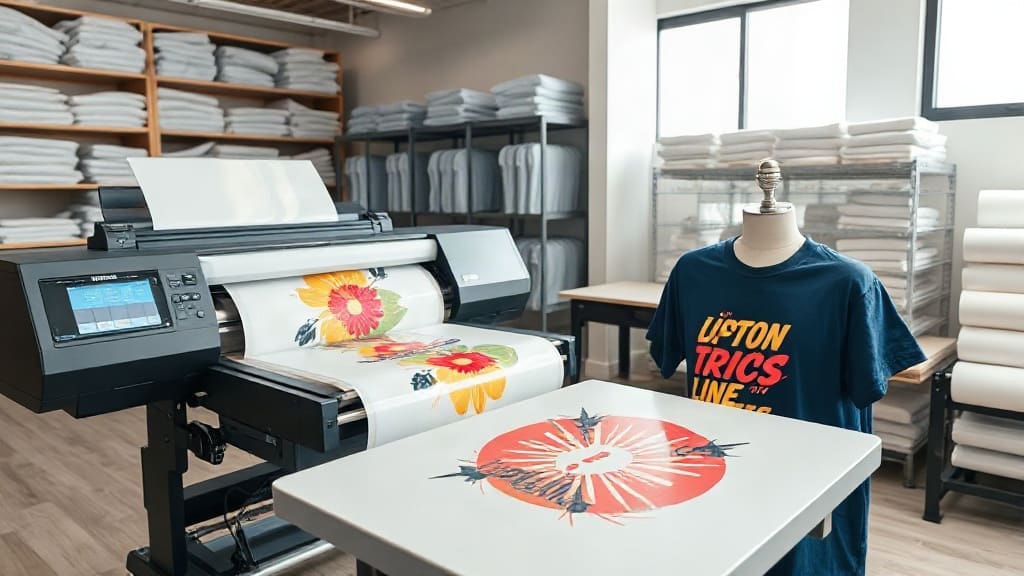
When you need custom apparel for your business, event, or personal project, searching for dtf transfers near me is often the first step. But finding a local provider isn't just about proximity; it's about quality, reliability, and understanding the nuances of DTF printing. In this guide, I'll share what I've learned from working with numerous print shops and helping others navigate this landscape. You'll discover how to evaluate potential vendors, what questions to ask, and how to ensure you get the best results for your investment.
What Are DTF Transfers and Why Are They Popular?
DTF (Direct to Film) printing is a method where designs are printed onto a special film, coated with adhesive powder, and then heat-pressed onto fabric. This technology has revolutionized custom apparel because it works on a wide variety of materials, including cotton, polyester, blends, and even leather. Unlike traditional screen printing, DTF allows for full-color designs with no minimum order quantities, making it ideal for small batches or one-off items. The popularity of DTF has skyrocketed because it offers the vibrancy of digital printing with the durability of screen print, all at a lower cost for short runs.
How to Search for "DTF Transfers Near Me" Effectively
Your initial search for dtf transfers near me will yield a list of local shops, but not all are created equal. To narrow your options, look beyond the search results. Check each shop's website for their portfolio, read reviews on Google and Yelp, and ask for samples. A reputable shop will be happy to provide physical samples so you can feel the texture and test washability. Also, consider the distance: while you might find a shop a few towns over, the extra drive might be worth it if their quality is superior.
Key Factors to Evaluate in a Local DTF Provider
When comparing local options, focus on these three pillars: print quality, turnaround time, and customer service. Print quality includes resolution, color accuracy, and the feel of the transfer (it should be soft, not plasticky). Turnaround time is critical if you have a deadline; ask about their current workload and whether they offer rush services. Customer service is about responsiveness and willingness to help you with file setup, design issues, or even choosing the right film for your fabric. A shop that takes the time to educate you is a gem.
Pricing and Turnaround: What to Expect
Pricing for DTF transfers varies based on size, complexity, and quantity. Typically, you'll pay per transfer, with discounts for bulk orders. For example, a 10x10 inch transfer might cost between $2 and $5 each, depending on the shop's overhead and your order size. Turnaround can range from 24 hours for rush orders to a week for standard ones. Always ask for a clear quote that includes any setup fees or color charges. I've seen shops hide costs in the fine print, so request a detailed breakdown.
Hidden Costs to Watch Out For
Some providers charge extra for white ink underbase, which is essential for printing on dark fabrics. Others might add a fee for color matching or file correction. To avoid surprises, ask if the quoted price includes everything: film, adhesive, and even the carrier sheet. A transparent shop will tell you upfront. Also, beware of extremely low prices; they often indicate lower quality film or adhesive, which can lead to cracking or peeling after a few washes.
Quality Indicators: How to Spot a Superior DTF Transfer
Not all DTF transfers are the same. High-quality transfers have a soft hand feel, vibrant colors, and excellent stretchability without cracking. To test quality, ask for a sample and wash it multiple times. After several washes, a good transfer should show minimal fading and no edge lifting. Also, check the adhesive: it should be even and fully cover the design. A poor adhesive can cause the transfer to peel prematurely. Additionally, look for the shop's ability to print small text and fine details; if they can handle that, they likely have a high-resolution printer.
Ask for Samples and Test Multiple Providers
One of the best ways to ensure you're choosing the right shop is to order a small sample from each candidate. Compare them side by side: feel the texture, stretch the fabric, and wash them. This hands-on comparison is invaluable. I remember when I first started, I ordered from two shops and was surprised to see one transfer had a visible film edge while the other blended seamlessly. That test saved me from numerous customer complaints down the line.
Supporting Local vs. Online Options: Pros and Cons
Choosing a local shop for dtf transfers near me has distinct advantages, such as face-to-face consultations, quicker pickups, and supporting your community's economy. However, online-only providers might offer lower prices due to scale. Weigh the benefits: if you need a design tweak, a local shop can adjust it in real time. If you're on a tight budget and have a flexible timeline, an online provider might be acceptable. But for most, the local touch is worth the extra cost, especially for complex projects.
How to Prepare Your Artwork for DTF Transfers
Before you contact any shop, ensure your artwork is ready. High-resolution files (300 DPI) in PNG or PSD format with a transparent background are ideal. Avoid using images with thin white borders unless you want them printed. If you're not sure about file setup, ask the shop for their specifications. Many offer free file checking and can advise on how to fix common issues like low resolution or color mode (use CMYK). Proper preparation speeds up production and reduces the risk of errors.
Common File Mistakes and How to Avoid Them
The most common mistake is providing a low-resolution image, which results in pixelated prints. Another is using RGB colors, which look different when printed. Also, avoid complex gradients that might not translate well on film. If you have a design with fine lines or small text, make sure it's at least 2pt to ensure readability. By preparing your files correctly, you save time and money, and the final product will be exactly as you envisioned.
Questions to Ask Before Placing an Order
To ensure a smooth experience, ask these questions: Do you provide proof or a sample before full production? What is your turnaround time for an order of my size? Do you offer discounts for bulk orders? Can you match a specific Pantone color? What is your policy on misprints or defects? A reliable shop will answer these clearly and confidently. Remember, a good relationship with your printer is a two-way street; be clear about your expectations, and they'll likely go above and beyond to meet them.
Frequently Asked Questions
How long do DTF transfers last on garments?
With proper care, DTF transfers can last for many washes, often up to 50 or more. The key is to wash garments inside out in cold water and avoid high heat drying. Using a heat press at the correct temperature and pressure during application is also crucial. If you apply the transfer correctly, it will become part of the fabric, resisting cracking and fading.
Can DTF transfers be used on any fabric?
DTF transfers are versatile and work on most fabrics, including cotton, polyester, blends, and even nylon. However, they are not recommended for extremely stretchy materials like spandex unless you use a specialized stretchable film. Always test on a small area if you're unsure about the material. The shop can advise on the best approach.
What is the difference between DTF and screen printing?
DTF is digital, meaning there's no setup cost for screens, making it ideal for short runs and full-color designs. Screen printing uses screens and is cost-effective for large quantities of simple designs. DTF offers more flexibility for quick changes and no minimums, while screen printing provides a thicker ink layer that some prefer for certain looks. Your choice depends on your order size and design complexity.
How should I care for garments with DTF transfers?
To maximize the life of your DTF transfers, wash garments inside out in cold water with a mild detergent. Avoid bleach and fabric softeners, as they can break down the adhesive. Tumble dry on low or hang to dry. If you need to iron, do so on the reverse side or use a protective sheet. Following these steps will keep your prints looking fresh for years.
Are DTF transfers eco-friendly?
DTF printing has a lower environmental impact compared to some traditional methods because it uses water-based inks and produces less waste. However, the film and adhesive powder are not biodegradable, so responsible disposal is essential. Some shops offer recycling programs for film. If sustainability is important to you, ask your local provider about their practices.
Finding the right provider for dtf transfers near me takes a bit of research, but it's worth the effort. By evaluating quality, asking the right questions, and preparing your files properly, you'll ensure your custom apparel turns out perfectly. Whether you're a business owner looking to brand your team or an individual creating unique gifts, a trustworthy local shop can make all the difference. Don't settle for the first result; take the time to find a partner who values your project as much as you do.