
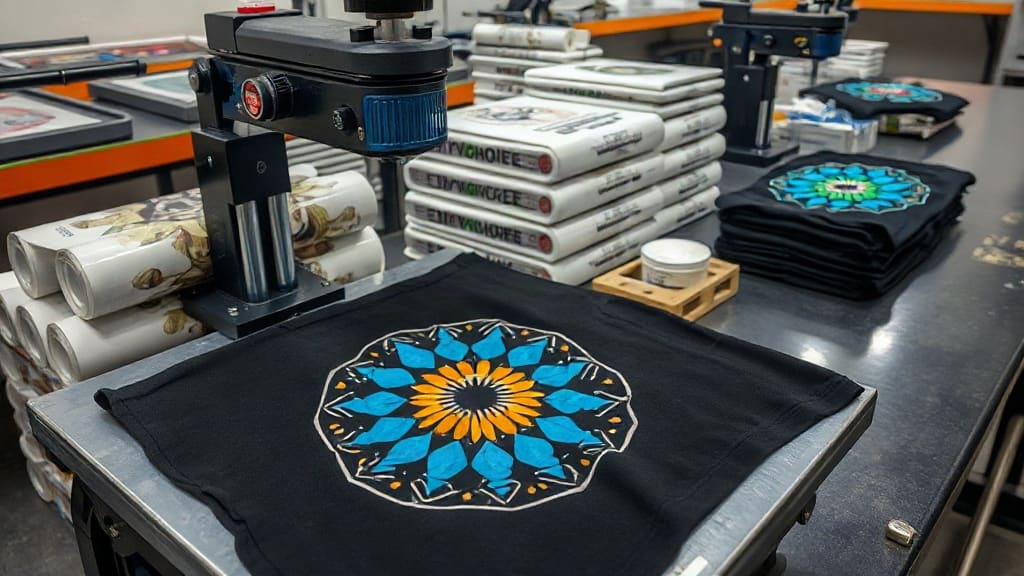
Are you searching for DTF transfers to create custom t-shirts, hoodies, or other apparel? DTF (Direct to Film) printing has become one of the most popular methods for producing vibrant, durable designs. But with so many options available, finding the right provider can be overwhelming. In this guide, I will walk you through everything you need to know about DTF transfers near me, from understanding the process to selecting a trustworthy printer. Whether you are a small business owner, a hobbyist, or just someone who wants a unique shirt, this article will help you make an informed decision.
What Are DTF Transfers?
DTF transfers are a type of heat transfer that involves printing a design onto a special PET film, applying adhesive powder, and then curing it. The resulting transfer can be pressed onto various fabrics using a heat press. Unlike traditional screen printing or vinyl, DTF does not require weeding, and it works well on both light and dark garments. The colors are vivid, and the transfers are stretchable and washable, making them ideal for everyday wear.
One of the biggest advantages of DTF transfers is their versatility. You can print complex, full-color designs with gradients and fine details that would be difficult or impossible with other methods. Plus, you can apply them to cotton, polyester, blends, and even some hard surfaces like tote bags or caps. This flexibility has made DTF a favorite among custom apparel makers.
Why Search for DTF Transfers Near Me?
When you search for DTF transfers near me, you are likely looking for a local service that can produce transfers quickly and affordably. There are several reasons why you might choose a local provider over an online one:
- Faster Turnaround: You can pick up your transfers in person or have them delivered within a day or two.
- Lower Shipping Costs: No need to pay for cross-country shipping, which can be expensive, especially for large orders.
- Personal Consultation: You can discuss your project face-to-face and get immediate feedback.
- Quality Inspection: You can see and feel the transfers before purchasing, ensuring they meet your standards.
However, finding a reliable local provider is not always easy. Many print shops focus on other methods, and not all of them offer DTF. That is why it is important to do your research and know what to look for.
How to Find DTF Transfers Near Me
The best way to start your search is to use online search engines, but you can also check social media platforms like Instagram and Facebook for local printers. Here are some practical tips for finding reputable providers:
- Search with Local Keywords: Use phrases like "DTF transfers near me" or "DTF printing in [your city]." This will give you results that are geographically relevant.
- Check Reviews: Look at Google Reviews, Yelp, or Facebook ratings. Pay attention to comments about quality, turnaround time, and customer service.
- Visit Their Website: A professional website is a sign of a legitimate business. Look for examples of their work, pricing, and policies.
- Ask for Samples: Many printers will provide a small sample transfer for a nominal fee or even free. This is a great way to test their quality.
- Compare Prices: Don't just go with the cheapest option. Consider the overall value, including quality and service.
If you cannot find a local provider, do not worry. Many online companies offer fast shipping and excellent quality. In fact, some online DTF services have lower prices because they serve a wider customer base. You just need to factor in shipping time and costs.
Key Factors to Evaluate in a DTF Provider
When you are comparing different providers, whether they are local or online, there are several key factors to consider. These factors will help you determine the quality of their DTF transfers and whether they are the right fit for your needs.
Quality of Inks and Films
The quality of the inks and films used directly affects the look and durability of the transfer. High-quality inks should be vibrant and resistant to fading. The film should have good adhesion properties and release cleanly after pressing. Ask the provider what brands they use and what kind of testing they do.
Print Resolution and Detail
For designs with fine details or small text, the print resolution is crucial. A high-resolution printer will produce crisp lines and smooth gradients. Look for a provider that uses at least 1200 dpi printers. You can also ask to see examples of intricate designs they have done.
Adhesive Powder Coverage
The adhesive powder is what makes the transfer stick to the fabric. If it is applied unevenly or with too little quantity, the transfer may not adhere properly. A good provider will use an automated powder shaker to ensure even coverage and will test each batch for adhesion.
Stretch and Washability
After applying a DTF transfer, you want it to last through many washes and stretches without cracking or peeling. Ask about the stretch test results and washing instructions. Reputable providers will offer a warranty or guarantee on their transfers.
Turnaround Time
If you need transfers for an event or a time-sensitive order, turnaround time is critical. Many providers offer rush services for an extra fee. Make sure to ask about their standard turnaround and rush options.
Pricing Transparency
You should always know the full cost upfront, including setup fees, shipping, and any taxes. Some providers have hidden fees, so read the fine print. A reputable provider will be transparent about their pricing structure.
Benefits of Using DTF Transfers for Your Business
If you run a custom apparel business, incorporating DTF transfers can offer several advantages. First, you can produce small batches without the high minimums required by screen printing. This is perfect for limited edition designs or personalized orders. Second, DTF transfers are easy to store and apply on demand, so you can keep a variety of designs in stock and press them as orders come in. Third, the quality is consistent, which helps you build a reputation for reliable products.
Moreover, DTF is more cost-effective for low-volume orders compared to screen printing, which requires significant setup costs. For a small business, this can mean higher profit margins. And because DTF transfers are so versatile, you can expand your product line to include items like jackets, aprons, or sports uniforms.
Common Mistakes to Avoid When Ordering DTF Transfers
Even experienced buyers can make mistakes when ordering DTF transfers. Here are some common pitfalls and how to avoid them:
- Ignoring Color Management: If you don't calibrate your screen, the final print may look different from what you expect. Always request a proof or a color sample before mass production.
- Choosing the Wrong Film: Some films are designed for light fabrics, others for dark. Using the wrong type can lead to poor results. Ask your provider which film is best for your garment color.
- Skipping the Test Press: Before ordering a large batch, do a test press on a similar fabric to ensure the transfer adheres correctly and the colors match your expectations.
- Overlooking White Ink: For dark shirts, a white underbase is essential. Make sure your design includes a white layer if you are printing on dark colors.
By being aware of these issues, you can save time and money and get the best possible outcome.
How to Apply DTF Transfers Correctly
Once you have your DTF transfers, the application process is straightforward but requires attention to detail. Here is a step-by-step guide:
- Preheat your heat press to about 320°F (160°C). The temperature may vary slightly depending on the film and adhesive, so always follow the provider's instructions.
- Place the garment on the press and press it for 3-5 seconds to remove wrinkles and moisture.
- Position the transfer on the garment with the film side up.
- Press with medium to firm pressure for 10-15 seconds. Again, check the provider's recommendations.
- While the transfer is still warm, peel the film slowly. Some films require hot peel, others cold. Follow the instructions.
- If you want extra durability, you can press the design again through a Teflon sheet or parchment paper for 5 seconds.
Remember to let the garment cool completely before washing. Wait at least 24 hours before the first wash to allow the adhesive to fully cure.
DTF Transfers vs. Other Printing Methods
Understanding the differences between DTF and other methods can help you decide if it is the right choice for your project. Here is a quick comparison:
| Method | Pros | Cons |
|---|---|---|
| DTF | Vibrant colors, works on many fabrics, no weeding, small batches ok | Initial setup for film and powder, requires heat press |
| Screen Printing | Cost-effective for large quantities, durable | High setup cost, limited colors, not ideal for small orders |
| Vinyl | Simple, good for single-color designs | Weeding required, not suitable for detailed art |
| Sublimation | Great for polyester, no texture | Only on white or light polyester, not on cotton |
As you can see, DTF offers a unique combination of versatility and quality, making it a strong contender for many applications.
Frequently Asked Questions
How much do DTF transfers typically cost?
The cost of DTF transfers varies depending on the size, quantity, and complexity of the design. On average, a standard 8x10 inch transfer might cost between $3 and $8 each for small quantities. Larger orders often come with volume discounts. Some providers charge a setup fee, but many do not for simple orders. It is always best to request a quote from multiple providers to compare prices.
Are DTF transfers washable and durable?
Yes, high-quality DTF transfers are designed to withstand multiple washes and regular wear. When applied correctly with the right temperature and pressure, they can last for years without cracking or fading. However, durability also depends on the fabric and the care instructions. Always wash garments inside out in cold water and avoid using bleach or fabric softeners to extend the life of the transfer.
Can I use DTF transfers on any fabric?
DTF transfers are very versatile and can be applied to most fabrics, including cotton, polyester, nylon, and blends. They also work on some hard surfaces like canvas tote bags. However, for best results, it is recommended to use fabrics with a smooth surface. Textured materials like heavy fleece may require a higher pressure or a pre-press to get proper adhesion.
How long does it take to receive DTF transfers from a local provider?
Local providers often have shorter turnaround times because they can process orders faster. Typically, you can expect your transfers to be ready within 1 to 3 business days, depending on the complexity and volume. Some may offer same-day or rush services for an extra fee. If you are ordering online, shipping may add 2-5 days to the delivery time.
Do I need a heat press to apply DTF transfers?
Yes, a heat press is essential for applying DTF transfers. While it is possible to use a home iron, achieving the correct temperature and pressure consistently is difficult. A heat press ensures even heat and pressure, which is crucial for a professional finish. If you are just starting, you can find affordable heat presses online, or you may be able to use a local maker space or print shop's equipment.
Final Thoughts on Finding DTF Transfers Near Me
Finding reliable DTF transfers near me does not have to be a daunting task. By understanding what DTF is, what to look for in a provider, and how to apply the transfers correctly, you can ensure your custom apparel projects turn out beautifully. Remember to prioritize quality over price, and do not hesitate to ask for samples or proofs before committing to a large order. With the right partner and a little knowledge, you will be creating stunning garments that stand up to wear and wash.
If you are looking for a trusted source for high-quality DTF transfers, consider visiting highdtf.com. They offer a wide range of options and excellent customer service. Whether you are a beginner or a seasoned professional, their expertise can help you get the results you want.