
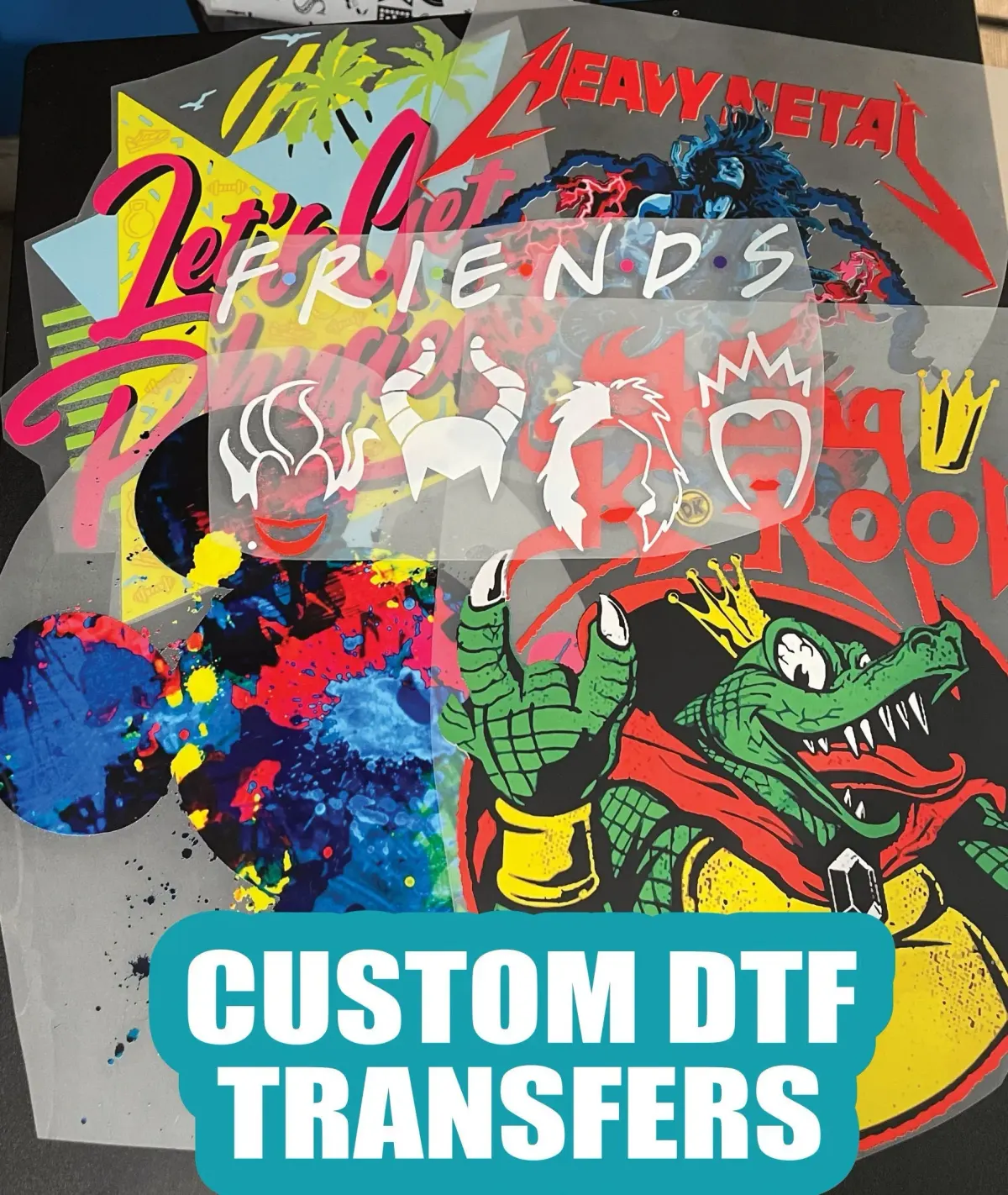
DTF Transfers, or Direct-to-Film transfers, are revolutionizing the T-shirt printing industry by offering a modern solution that balances quality and sustainability. As fashion trends evolve, the need for customizable and vibrant designs has never been greater, making DTF transfers an ideal choice for businesses and creative individuals. This innovative printing technique allows for intricate designs to be easily transferred onto fabric, ensuring every T-shirt reflects unparalleled artistry. Moreover, DTF printing is not just about visually appealing outcomes; it embodies eco-friendly principles, reducing waste while enhancing production efficiency. In this blog, we will explore why DTF transfers are becoming the go-to option for custom apparel printing and what makes them a sustainable choice in the realm of T-shirt printing solutions.
In the landscape of modern apparel customization, Direct-to-Film technology stands out as a pioneering method for applying intricate designs to garments. Often touted as one of the eco-friendly T-shirt printing options, this process allows for a seamless fusion of creativity and sustainability. Using sophisticated techniques, this approach ensures that every printed piece not only meets aesthetic demands but also adheres to the growing trend of sustainable printing technologies. As the market shifts towards more personalized and environmentally-conscious solutions, alternative printing applications like DTF are leading the charge, offering businesses effective ways to cater to customer desires without compromising on quality. Join us as we dive deeper into the myriad benefits and practicalities of this innovative textile printing solution.
The Future of T-Shirt Printing: DTF Transfers Explained
Direct-to-Film (DTF) transfers are quickly becoming a frontrunner in the realm of T-shirt printing. This innovative technology allows vibrant designs to be printed onto a special film, which can then be effortlessly animated onto various types of fabrics. This approach not only retains the intricate details and colors of designs but also ensures that the prints are durable and long-lasting. Falling in line with current trends, DTF printing meets the modern demand for high-quality visuals that can be adapted across different applications, from fashion to promotional materials.
Furthermore, DTF transfers exude a unique blend of quality and flexibility. With the ability to print on any textile, be it cotton or polyester, businesses can cater to a wider audience while experimenting with their product ranges. As more companies gravitate towards DTF technology, it is evident that understanding the intricacies of this printing method is essential for businesses aiming to stay competitive in the ever-evolving apparel market.
Exploring the Eco-friendly Aspects of DTF Transfers
In today’s market, consumers are increasingly leaning towards eco-friendly products. DTF transfers stand out in this regard as they significantly reduce waste during the printing process. Unlike traditional printing methods that often rely on excessive ink and produce a lot of unused material, DTF technology uses an efficient approach that minimizes its environmental footprint. This characteristic resonates well with socially conscious consumers who prefer sustainable printing technology for their apparel.
By opting for DTF transfers, businesses can effectively merge eco-friendliness with high-quality design, thereby creating a more attractive offering for their customers. The focus on sustainable practices not only enhances the brand's reputation but also reflects a commitment to environmental responsibility, a crucial factor in today’s purchasing decisions. As companies embrace this cutting-edge technology, they pave the way for a greener future in the T-shirt printing industry.
Custom Apparel Printing Solutions with DTF Transfers
DTF transfers are at the forefront of custom apparel printing, enabling businesses to offer bespoke designs that cater to individual preferences. The technology allows for quick turnaround times and minimal upfront costs, making it ideal for small batches of personalized items. This means businesses can respond effortlessly to the unique demands of their customers without the financial burden of traditional printing methods.
Moreover, with DTF printing, the opportunities for creativity are endless. From intricate artworks to bold statements, the prints can embody any design, appealing to niche markets and specific demographics. This adaptability is vital in the ever-changing landscape of fashion, where trends can shift overnight, and the consumer's desire for custom, one-of-a-kind apparel continues to rise.
The Impact of Sustainable Printing Technology in Apparel
Sustainable printing technology, such as DTF transfers, is shaping the future of the apparel industry. The pressing need for eco-friendly processes is transforming how garments are produced, pushing brands to seek methods that reduce waste and energy consumption. DTF printing not only meets these criteria but also delivers high-quality results, establishing itself as a viable option for brands committed to sustainability.
By adopting DTF technology, apparel companies can significantly reduce their environmental impact while producing vibrant prints that delight customers. This shift towards responsible production practices is more than a trend; it reflects a major transformation in consumer attitudes, where sustainability becomes a deciding factor in purchasing decisions. This paradigm shift encourages brands to prioritize eco-friendly solutions, thereby paving the way for a more sustainable future in fashion.
DTF Transfers vs. Traditional T-Shirt Printing Methods
When comparing DTF transfers to traditional T-shirt printing methods such as screen printing and DTG, the advantages of DTF become increasingly evident. Unlike screen printing, which requires large setups and has limitations on color variations, DTF printing allows for complex designs with a multitude of colors to be printed effortlessly on-demand. This flexibility not only caters to evolving fashion trends but also caters to smaller businesses needing to limit inventory.
Additionally, DTF transfers have a clear edge over DTG printing regarding substrate versatility. While DTG is often limited to cotton fabrics, DTF technology can adhere to a wide range of textiles, including synthetic materials. This means businesses can expand their product offerings without investment in different printing processes, maximizing efficiency and profitability.
Embracing DTF Technology: Challenges and Considerations
Despite the impressive benefits of DTF transfers, there remain considerations that businesses must keep in mind. One notable concern is the texture of the prints, which can vary significantly from other methods. DTF prints often have a slightly raised feel, which may not suit every design context, especially those calling for a soft touch. Understanding customer preferences about texture can help tailor offerings to suit the target market.
Moreover, investing in suitable equipment is crucial for success in DTF printing. Not all printers are designed to handle this technology effectively; hence, companies must ensure they procure specialized equipment that meets the specific needs of DTF transfers. This upfront commitment can be a challenge but is essential for achieving optimal print quality and satisfying customer expectations.
Frequently Asked Questions
What are DTF Transfers and how do they work in custom apparel printing?
DTF transfers, or Direct-to-Film transfers, are a revolutionary printing method where designs are printed on a special film, which is then heat-pressed onto T-shirts. This technique allows for vibrant colors and intricate designs on various fabric types, making DTF transfers an excellent choice for custom apparel printing.
How does DTF printing contribute to eco-friendly T-shirt printing solutions?
DTF printing is considered eco-friendly because it minimizes waste and reduces ink usage compared to traditional printing methods. This sustainable printing technology aligns with current trends in environmentally responsible practices, appealing to consumers who prioritize eco-friendly T-shirt printing solutions.
What advantages do DTF transfers offer over traditional T-shirt printing techniques?
DTF transfers offer several advantages over traditional techniques, including high-quality prints with vibrant colors, versatility across different fabric materials, quicker turnaround times for small orders, and cost-effectiveness for custom apparel printing. These benefits make DTF a preferred choice for modern businesses.
Are DTF transfers suitable for all types of fabric in sustainable printing technology?
Yes, DTF transfers are versatile and can be applied to a wide range of fabrics, including cotton, polyester, and blends. This capability allows businesses to cater to various customer preferences while embracing sustainable printing technology that reduces overall waste.
What challenges do businesses face when using DTF transfers for T-shirt printing?
Some challenges include the texture of DTF prints, which can feel 'plasticky' compared to other methods like Direct-to-Garment printing. Additionally, businesses need specialized printers for DTF technology, which could require an investment to achieve optimal results in custom apparel printing.
How has the market for DTF printing evolved in recent years, especially for eco-conscious consumers?
The market for DTF printing has grown significantly as consumers increasingly seek personalized and quick solutions. This method meets modern demands for sustainability in production practices, making DTF transfers an appealing option for eco-conscious customers looking for innovative T-shirt printing solutions.
| Feature | Details |
|---|---|
| High-Quality Prints | Produces vivid, detailed images with advanced inks. |
| Versatility | Applicable to various materials including cotton and polyester. |
| Minimal Waste | Reduces ink and material waste, promoting sustainability. |
| Quick Turnaround Time | Ideal for small, on-demand print runs. |
| Cost-Effective for Small Quantity Jobs | Minimizes overhead for custom and small batch printing. |
| Texture and Feel | DTF prints may have a ‘plasticky’ feel compared to other methods. |
| Printer Requirements | Requires specialized inkjet printers for optimal results. |
Summary
DTF Transfers have revolutionized the T-shirt printing landscape, offering an innovative solution that combines quality, cost-effectiveness, and sustainability. As the demand for eco-friendly and custom apparel rises, DTF Transfers align perfectly with these consumer trends. Businesses can leverage this cutting-edge technology to produce vibrant and detailed designs, while also reducing waste and adhering to sustainable practices. The future of T-shirt printing seems bright with DTF Transfers leading the way, appealing directly to modern consumers who value both quality and responsibility in their clothing choices.