
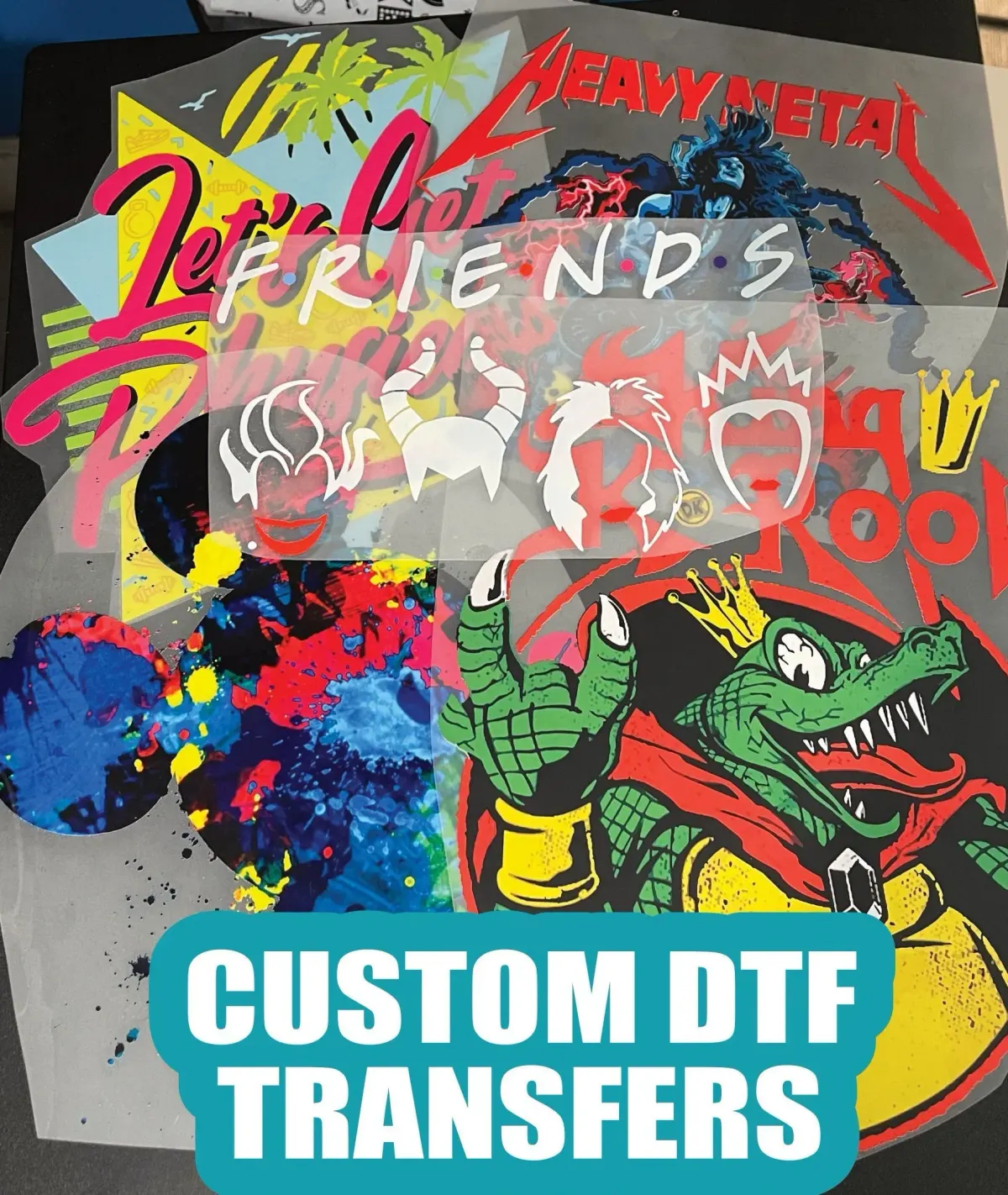
DTF transfers, or Direct to Film transfers, are revolutionizing the way custom apparel is crafted, especially for beginners looking to make their mark in the printing industry. This printing method combines convenience with vibrant output, allowing for intricate designs that can easily be applies to various fabrics. In this ultimate DTF transfer guide, you'll discover essential techniques, equipment, and tips to master the art of DTF printing, ensuring your designs not only look stunning but also stand the test of time. As you explore how to DTF transfers, you'll appreciate the blend of creativity and technology that fuels this exciting landscape of customization. So, whether you're a DIY enthusiast or a budding entrepreneur, get ready to learn about the transformative potential of custom apparel transfers!
When it comes to the world of garment printing, techniques such as Direct to Film (DTF) printing have garnered significant attention for their efficiency and high-quality results. This approach to custom design enables creators to print their artwork onto a specialized film, which can then be transferred to various materials seamlessly. If you're curious about how to effectively execute garment transfers, this guide will help demystify the process and walk you through the essentials of beginner DTF printing. With tools at your disposal, such as adhesive powders and heat presses, you'll be empowered to create stunning visuals on clothing and accessories alike. Dive into the remarkable potential of custom apparel transfers and unleash your creativity!
Understanding DTF Transfers and Their Advantages
DTF transfers, or Direct to Film transfers, are a revolutionary technique in the custom apparel industry that streamlines the printing process. This method begins with designs printed onto a special film, which can then be transferred onto a variety of materials using heat and pressure. This technology offers intricate detail and vibrant colors that are often unmatched by traditional printing methods such as screen printing or vinyl applications. Moreover, DTF printing expands the possibilities for fabric types—from cotton to polyester blends—making it versatile for various projects.
One of the most notable advantages of DTF transfers is the quality of the prints. Unlike conventional heat transfer techniques that may wear off over time, DTF prints adhere more firmly to fabrics and maintain their brilliance wash after wash. This durability is complemented by the flexibility of the process, as you can create custom designs that mimic complex artworks, logos, or elaborate patterns with ease. DTF printing thus supports not only high-quality results but also the unique creativity of each project.
Essential Equipment for Successful DTF Printing
Embarking on a DTF printing journey requires specific equipment to ensure successful results. The cornerstone piece of equipment for this process is a DTF printer designed to dispense water-based pigment inks. These specialized printers not only produce high-resolution outputs but also facilitate the printing of intricate designs on DTF film. Additionally, investing in a quality heat press is crucial, as it applies the necessary pressure and heat to cure the transfer perfectly, ensuring longevity and vibrancy in the printed designs.
Another essential component is DTF film, which is specially coated to accept ink effectively and ensure proper adhesive bonding. Alongside this, adhesive powder plays a pivotal role during the transfer process. By sprinkling it onto the wet ink, you guarantee that the design will adhere seamlessly when cured in the heat press. This combination of equipment forms the backbone of successful DTF transfers, enabling beginners and seasoned printers alike to innovate and enhance their crafting skills.
The Step-by-Step Process for DTF Printing
To maximize your success in DTF transfers, following a structured step-by-step process is indispensable. Begin by designing your graphic using software like Adobe Illustrator. Remember, mirroring your design before printing is critical, ensuring that it aligns correctly with the substrate. Once ready, load the DTF film into your printer and ensure your settings are optimized for maximum output quality. The clarity and detail of your prints depend largely on this initial step, setting the stage for a beautiful final product.
After printing, the next crucial step involves applying the adhesive powder to the wet ink on the DTF film. Timing is key here; you must sprinkle the powder immediately after printing to ensure proper adhesion. Once sprinkled, cure the design using a heat press, which melts the adhesive, making it ready for transfer. Finally, place the film onto your desired material and apply consistent heat and pressure to ensure a flawless transfer. Following this meticulous process will lead to impressive results, enriching your custom apparel endeavors.
Common Challenges and Solutions in DTF Printing
As you venture into the world of DTF printing, understanding common challenges can help you navigate the learning curve effectively. One frequent issue beginners face is achieving the perfect temperature and pressure during the heat transfer stage. Too much heat can scorch the fabric, while insufficient pressure can result in incomplete transfers. To overcome this, invest in a reliable heat press with accurate temperature control and conduct test runs to determine the ideal settings for different materials.
Another challenge arises when working with adhesive powder; improper application can lead to uneven adherence or excess mess. To prevent this, ensure that you have a smooth, even layer of powder applied while remembering to shake off the excess promptly. Consider using specialized tools for application for better control. Engaging with the DTF community through forums and social media can also provide invaluable insights and tips for troubleshooting, fostering quicker mastery of your DTF printing skills.
Trends in DTF Printing for Custom Apparel
The DTF printing landscape is rapidly evolving as more businesses and creators recognize its potential for custom apparel. One significant trend has been an increase in the availability of beginner-friendly kits that come equipped with all the necessary tools and instructions. This development makes DTF printing accessible to a broader audience, encouraging more individuals to dive into the exciting world of custom design. As the demand rises, suppliers are continually innovating, producing higher-quality inks and films that enable vibrant and durable prints.
Furthermore, the trend towards sustainability in printing means many DTF suppliers are beginning to focus on eco-friendly inks and practices. This reflects a growing commitment to environmentally-conscious methods without compromising the quality of custom apparel. With an increasing emphasis on individuality and unique designs in fashion, DTF printing is poised to become a leading method for both DIY enthusiasts and businesses looking to capture the growing market of personalized products.
Resources for Learning DTF Printing Techniques
For those eager to improve their DTF printing abilities, a wealth of educational resources is available. Online platforms provide detailed tutorials that cover everything from the basics of DTF transfers to advanced techniques for intricate designs. Websites like Heat Press Nation and specialized YouTube channels, such as T-Shirt Help Desk, offer a treasure trove of information, allowing beginners to visualize the process step-by-step. These resources can illuminate the intricacies of DTF printing and enable individuals to develop their unique styles.
Additionally, engaging with the broader community through forums can be incredibly beneficial. Many seasoned DTF printers share their experiences, offering invaluable advice on troubleshooting common issues, optimizing printer settings, and exploring innovative design techniques. By actively participating in these discussions, beginners can gain insights that textbooks and online articles may overlook, fostering a nurturing learning environment that empowers creativity and innovation in the world of custom apparel.
Frequently Asked Questions
What are DTF transfers and how do they work?
DTF transfers, or Direct to Film transfers, involve printing designs onto a special transfer film. This film is then applied to materials like cotton or polyester using heat and pressure. The process ensures high-quality prints with vibrant colors and intricate details, making it an ideal choice for custom apparel.
How can beginners get started with DTF printing?
Beginners can start with DTF printing by acquiring essential equipment like a DTF printer, DTF film, adhesive powder, and a heat press. Additionally, following a step-by-step DTF transfer guide can help streamline the process from design creation to applying transfers on garments.
What equipment is necessary for DTF transfers?
To successfully execute DTF transfers, you will need a DTF printer that supports water-based pigment inks, DTF film for printing, adhesive powder for bonding designs, and a heat press to apply heat and pressure during the transfer process.
What are the benefits of using DTF transfers for custom apparel?
DTF transfers offer several benefits including superior print quality, the ability to transfer intricate designs, and compatibility with various fabrics. Unlike traditional printing methods, DTF printing is versatile and allows for vibrant colors on multiple material types.
What tips can you provide for beginners in DTF printing?
Beginners in DTF printing should start with small projects to familiarize themselves with the equipment and techniques. Engaging with online communities for advice and keeping updated with the latest advancements in DTF technology can also enhance their printing skills.
Are there educational resources available for learning DTF transfers and printing?
Yes, there are numerous educational resources available online for learning about DTF transfers. Websites like Heat Press Nation offer tutorials, while YouTube channels such as 'T-shirt Help Desk' provide visual guides to help beginners grasp the DTF printing process effectively.
| Key Point | Description |
|---|---|
| Introduction | DTF (Direct to Film) transfers have become popular in custom apparel for their vibrant colors and ease of use. |
| What are DTF Transfers? | DTF transfers involve printing designs on a special film that can be applied to various fabrics using heat and pressure. |
| Equipment Needed | 1. DTF Printer 2. DTF Film 3. Adhesive Powder 4. Heat Press |
| Step-by-Step Process | 1. Create and mirror your design 2. Print on DTF film 3. Apply adhesive 4. Cure the design 5. Transfer to garment 6. Finishing touches |
| Recent Developments | Increased popularity and accessibility due to beginner-friendly kits and advancements in technology. |
| Tips for Beginners | 1. Start small 2. Engage with the community 3. Stay updated on technology |
| Educational Resources | Explore blogs like Heat Press Nation and YouTube tutorials for step-by-step guides. |
Summary
DTF transfers offer an exciting entry point into the custom printing industry for many beginners. With their ability to produce vibrant, high-quality designs and a straightforward application process, DTF transfers have become an indispensable method for both DIY enthusiasts and small businesses. By following the outlined steps, utilizing the required equipment, and adhering to best practices, one can quickly master DTF printing techniques to create standout apparel designs. As you delve into the world of DTF transfers, you'll discover endless creative possibilities, making this printing method a valuable asset in your crafting endeavors.