
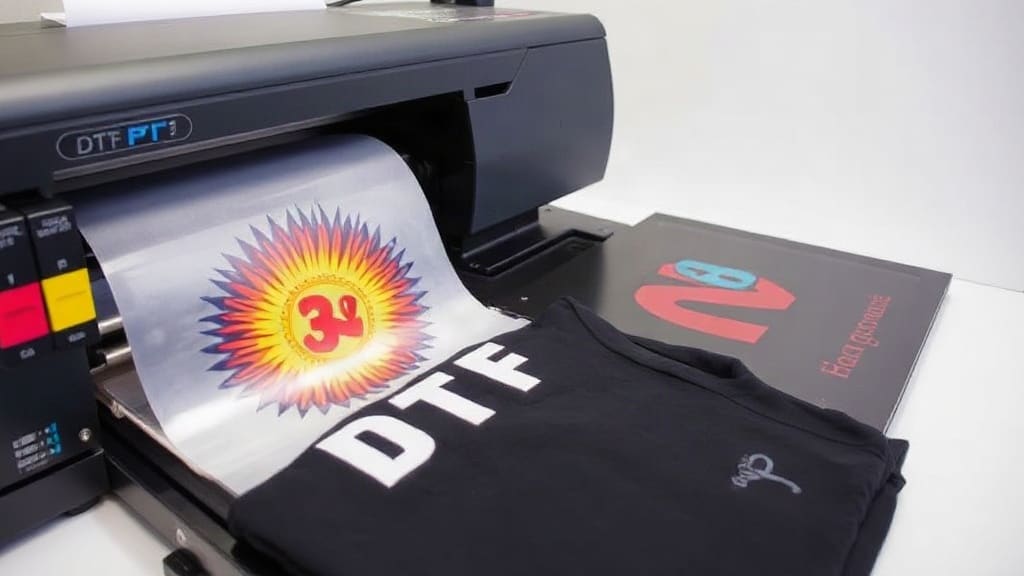
If you're in the custom printing world, you've likely heard about DTF transfers (Direct to Film). This innovative method has taken the industry by storm, offering a versatile and cost-effective way to produce high-quality prints on various fabrics. Whether you're a seasoned printer or just starting, understanding DTF is crucial. In this guide, we'll dive deep into what DTF transfers are, how they compare to other methods, and how you can get the best results every time.
What Are DTF Transfers?
DTF, or Direct to Film, is a printing technique where a design is printed onto a special PET film using a DTF printer and then transferred onto fabric using heat and pressure. Unlike traditional methods like screen printing or direct-to-garment (DTG), DTF transfers are printed on a film first, which then acts as a carrier. This allows for intricate details, vibrant colors, and the ability to print on a wide range of materials, including cotton, polyester, blends, and even leather.
How Does the DTF Process Work?
The DTF process is straightforward but requires precision. Here's a step-by-step breakdown:
- Design Preparation: Your artwork is set up with proper color separation and mirroring (if needed).
- Printing: The design is printed onto a PET film using a DTF printer equipped with white ink and CMYK colors. White ink serves as a base for vibrant colors on dark fabrics.
- Powder Adhesive: While the ink is still wet, a hot-melt adhesive powder is applied to the film. The powder sticks only to the inked areas.
- Curing: The film is passed through a heat tunnel or oven to melt the powder, creating a strong bond.
- Transfer: The film is placed on the fabric, and heat and pressure are applied using a heat press. The design is transferred, leaving a soft, stretchable print.
DTF vs. Other Printing Methods
To understand why DTF transfers are so popular, it's helpful to compare them with other methods.
DTF vs. Screen Printing
Screen printing is great for large orders with simple designs, but it has a high setup cost and limited color gradients. DTF, on the other hand, offers full-color printing without the setup hassle. It's ideal for small to medium runs and complex designs.
DTF vs. DTG
DTG prints directly onto the garment, but it's slower and often requires pre-treatment for cotton. DTF is faster, can print on more fabric types, and the transfers can be stored for later use. However, DTG might have a softer hand feel on cotton.
Why Choose DTF Transfers?
There are several compelling reasons to incorporate DTF transfers into your printing business:
- Versatility: Works on almost any fabric, from 100% cotton to polyester, nylon, and blends.
- Vibrant Colors: The white ink base ensures colors pop, especially on dark fabrics.
- Durability: DTF prints are wash-resistant and can withstand repeated washing and stretching.
- Cost-Effective: No screen setup costs, making it perfect for low quantity orders.
- Speed: Printing and transferring is quick, allowing for faster turnaround times.
- Storage: You can print transfers in advance and use them on demand, saving production time.
How to Get the Best Results with DTF Transfers
To ensure your DTF prints come out perfect every time, follow these expert tips:
1. Use High-Quality Materials
Invest in good quality PET film, DTF inks, and adhesive powder. Cheap materials can lead to poor adhesion, cracking, or fading.
2. Calibrate Your Printer
Regularly calibrate your printer to ensure accurate color reproduction and proper ink coverage. Test prints are essential.
3. Control Temperature and Pressure
The heat press settings are critical. Typically, temperatures range from 300°F to 320°F (about 150°C to 160°C) for 10-15 seconds with medium to firm pressure. Experiment to find the sweet spot for your specific materials.
4. Handle the Film Properly
After printing, handle the film carefully to avoid smudging. Ensure the adhesive powder is evenly applied and fully cured.
5. Pre-Press Your Garments
Pre-press your fabric for a few seconds to remove moisture and wrinkles, which can affect adhesion.
Common Mistakes to Avoid
Even experienced printers can make errors. Here are some pitfalls to watch out for:
- Using the Wrong Powder: Not all adhesive powders are the same. Use a powder specifically designed for DTF.
- Skipping the Cure: If the powder isn't fully melted, the transfer won't stick. Follow the manufacturer's instructions.
- Overstretching: When applying the transfer, avoid stretching the fabric, as it can distort the design.
- Incorrect Film Side: Ensure you're printing on the correct side of the film (the matte side usually).
Applications of DTF Transfers
DTF is incredibly versatile, making it suitable for various products:
- T-shirts, hoodies, and sweatshirts
- Tote bags and backpacks
- Hats and caps
- Pillows and home decor
- Custom apparel for events and businesses
Frequently Asked Questions
What is the ideal fabric for DTF transfers?
DTF works on almost any fabric, but it performs exceptionally well on polyester, cotton blends, and even 100% cotton when using the right adhesive. The key is to ensure the fabric can handle the heat press temperature.
How do I care for DTF-transferred garments?
To prolong the life of DTF prints, wash garments inside out in cold water and avoid using bleach. Tumble dry on low or hang dry. Do not iron directly on the design; if necessary, iron on the reverse side.
Can DTF transfers be used on dark-colored fabrics?
Absolutely! One of the biggest advantages of DTF is the white ink layer, which ensures that colors remain vibrant and opaque even on dark or black fabrics. It's a game-changer for printing on dark garments.
How long does a DTF transfer last?
With proper care, a DTF print can last for many washes without fading or cracking. The durability is comparable to screen printing, making it a reliable choice for commercial use.
Do I need a specialized printer for DTF?
Yes, DTF requires a printer that can handle DTF inks and white ink, typically an Epson-based system with a bulk ink system or a dedicated DTF printer. These are available from various manufacturers.
Final Thoughts
DTF transfers have revolutionized the custom printing industry by offering a flexible, high-quality, and cost-effective solution. Whether you're printing for a small business or a large enterprise, DTF can help you deliver outstanding results. By understanding the process, investing in quality materials, and following best practices, you'll produce prints that not only look great but also stand the test of time. Ready to start? Explore the range of DTF solutions available and take your printing to the next level.