
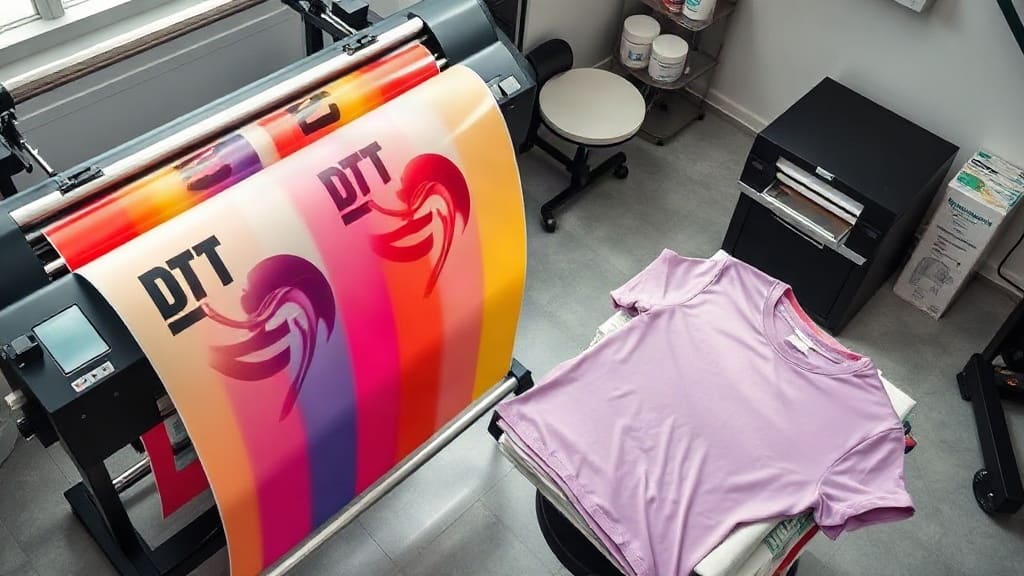
DTF transfers have revolutionized the custom apparel industry, offering a versatile and cost-effective method for printing vibrant designs on a wide range of fabrics. Whether you're a small business owner, a hobbyist, or a large-scale printer, understanding this technology can open new possibilities for your projects. In this comprehensive guide, we'll dive deep into the world of DTF transfers, covering everything from the basics to advanced tips that ensure professional results every time.
What Are DTF Transfers?
Direct to Film (DTF) transfers involve printing a design onto a special PET film using a DTF printer, then applying adhesive powder to the wet ink, and finally heat pressing the film onto a garment. The result is a durable, flexible, and vibrant print that can be applied to cotton, polyester, blends, and even hard surfaces like mugs and hats.
How Does the DTF Process Work?
The process may seem straightforward, but each step is critical to achieving a high-quality transfer. Let's break it down:
- Printing: A DTF printer uses CMYK plus white ink to print the design in reverse onto a film. The white ink is essential because it lays down a foundation that makes colors pop on dark garments.
- Powder Application: While the ink is still wet, a hot-melt adhesive powder is applied to the film. This powder sticks only to the inked areas and is then melted via heat to create a strong bond.
- Curing: The film is passed through a curing oven or heat press to melt the powder, ensuring it adheres firmly to the ink.
- Transfer: The final step is heat pressing the film onto the garment. The heat and pressure activate the adhesive, transferring the design with excellent detail and durability.
Mastering each stage is key to producing DTF transfers that withstand washing and wear.
Why Choose DTF Transfers Over Other Methods?
DTF has gained popularity for good reasons. Here are some of the standout advantages:
- Versatility: Unlike screen printing, which works best on cotton, DTF can print on almost any fabric, including polyester, nylon, and blends. This makes it ideal for sportswear and performance apparel.
- No Weeding: Unlike vinyl, DTF doesn't require time-consuming weeding. The entire design is transferred at once, saving hours on intricate designs.
- High Detail and Color: With the ability to print gradients, photos, and fine details, DTF offers photographic quality that rivals direct-to-garment (DTG) printing.
- Cost-Effective for Small Runs: Setting up screen printing for short runs is expensive. DTF is cost-effective for small quantities, making it perfect for custom orders and samples.
- Soft Hand Feel: The adhesive powder creates a thin, flexible layer that doesn't crack or peel easily, resulting in a soft, comfortable print.
Choosing the Right DTF Transfers
When buying DTF transfers, whether from a supplier or making them in-house, consider these factors:
- Film Quality: Use high-quality PET film to prevent ink spread and ensure clean peeling.
- Ink Type: DTF inks should be water-based and compatible with your printer. Pigment-based inks offer better color vibrancy and wash resistance.
- Powder Mesh: A fine powder mesh (often 80-120) provides a thin adhesive layer, while a coarser mesh gives a thicker, more textured feel.
- Print Resolution: Look for prints with high DPI (at least 1200) for crisp details.
- Curing Time: Ensure the transfers have been properly cured to avoid premature failure.
How to Apply DTF Transfers: Step-by-Step
Correct application is just as important as the transfer itself. Here’s a simple guide:
- Preheat your heat press to about 160°C (320°F) and set the pressure to medium.
- Place the garment on the press and pre-press for a few seconds to remove wrinkles and moisture.
- Position the DTF transfer with the film side up (design facing down).
- Press for 15-20 seconds with firm pressure.
- While still hot, peel the film back slowly (hot peel) or after it cools (cold peel), depending on the transfer's instructions. Hot peel is common for DTF, but always check.
- If needed, place a Teflon sheet over the design and press for another 5-10 seconds to further cure the adhesive.
Practice on scrap fabric to fine-tune your timing and pressure for different materials.
Tips for Achieving Vibrant and Durable Prints
Even with top-notch transfers, mistakes can undermine quality. Here are professional tips to ensure your prints look great and last:
- Use a Quality Heat Press: Inconsistent temperature or pressure can ruin a transfer. Invest in a reliable press with accurate controls.
- Test on the Actual Fabric: Different fabrics have different heat tolerances. Always test a small area first.
- Let the Design Cool: If you're stacking garments after pressing, allow the print to cool fully to prevent sticking.
- Wash Care: Recommend your customers to wash garments inside out in cold water and avoid using bleach or fabric softeners. Air drying extends the life of the print.
- Store Transfers Properly: Keep unused transfers in a cool, dry place away from direct sunlight to prevent the adhesive from degrading.
Common Mistakes to Avoid
- Overheating: Too much heat can scorch the fabric or cause the adhesive to bleed through.
- Peeling Too Early: Some transfers require a cold peel. Peeling hot when it's not intended can lift the design.
- Ignoring Fabric Prep: Fabric softeners or residue can prevent proper adhesion. Always pre-press to eliminate moisture.
- Using Incorrect Pressure: Too little pressure results in weak adhesion; too much can cause ghosting or damage the fabric.
- Not Curing the Powder Properly: If you're making your own transfers, insufficient curing leads to poor washability.
DTF Transfers vs. Other Printing Methods
To appreciate DTF, it helps to compare it with alternatives:
- Screen Printing: Great for bulk orders on cotton, but limited colors and setup costs. DTF is more flexible for small batches.
- DTG Printing: Excellent for detailed prints on cotton, but slower and more expensive per unit. DTF works better on poly and blends.
- Vinyl Cutting: Good for simple designs, but weeding is tedious and colors are limited. DTF handles full-color graphics effortlessly.
In summary, DTF transfers offer a sweet spot of quality, speed, and affordability, especially for small to medium orders.
Frequently Asked Questions (FAQ)
How many washes do DTF transfers last?
With proper application and care, DTF prints can withstand 50 to 60 washes or more. They are known for their durability, but factors like fabric type, wash temperature, and drying methods can affect longevity. Always follow care instructions to maximize the lifespan of the design.
Can DTF transfers be used on dark colors?
Absolutely. One of the key advantages of DTF is that the white ink layer provides a base, making colors vibrant even on black or dark navy garments. This is a significant benefit compared to some other methods that struggle with dark fabrics.
What is the difference between hot and cold peel DTF transfers?
Hot peel transfers are designed to have the film removed immediately after pressing, while still hot. Cold peel transfers require waiting for the film to cool down completely. The choice depends on the manufacturer's specifications. Hot peel speeds up production, but cold peel may offer a smoother finish on certain fabrics. Always follow the instructions provided with your specific transfers.
Do I need a special printer for DTF transfers?
Yes, DTF printing requires a printer that can handle pigment-based inks and white ink, which often clogs if not used regularly. Many users convert Epson EcoTank models, but there are dedicated DTF printers on the market. If you're buying ready-made transfers, you don't need this equipment; you just need a heat press.
Can DTF transfers be applied to materials other than fabric?
Yes, DTF transfers can be applied to a variety of substrates, including wood, ceramic, glass, and nylon. However, you must adjust temperature and pressure accordingly. Always test on a small area to ensure the material can withstand the heat without damage.
DTF technology is an exciting evolution in printing, offering endless creative possibilities. By understanding the process, selecting quality supplies, and mastering application techniques, you can produce professional-grade apparel that your customers will love. Whether you're just starting or looking to expand your services, DTF transfers are a valuable addition to your toolkit.