
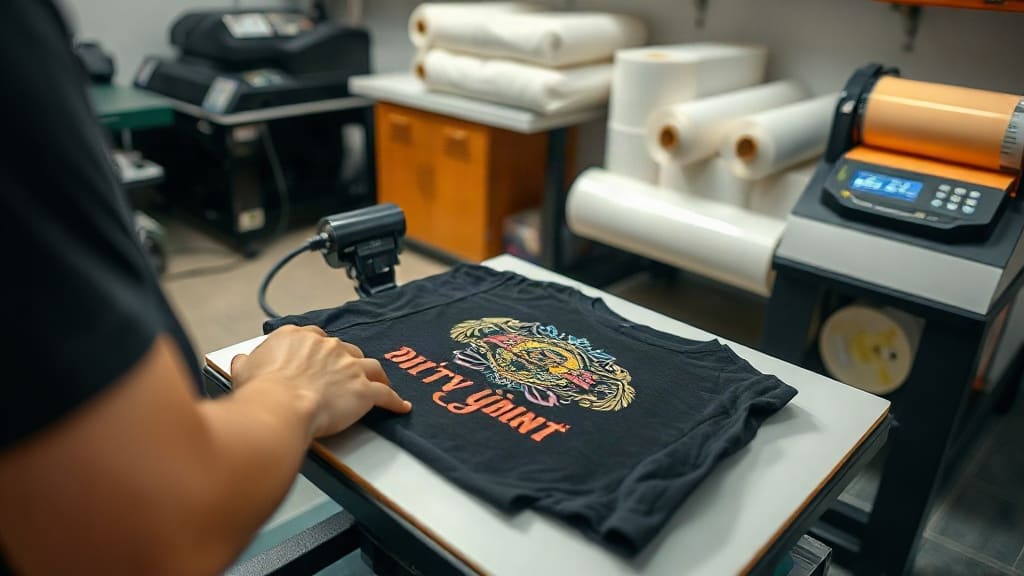
DTF transfers have taken the custom apparel industry by storm, offering a versatile and cost-effective way to create high-quality garments. Whether you're a small business owner, a print-on-demand seller, or a hobbyist, understanding this technology can open up new possibilities for your projects. In this comprehensive guide, I'll share my hands-on experience with DTF transfers, explain how they work, and give you practical tips to get the best results.
What Are DTF Transfers?
DTF transfers refer to a printing method where a design is printed onto a special PET film, coated with adhesive powder, and then heat-pressed onto a garment. Unlike traditional screen printing, DTF doesn't require screens or complex setups, making it ideal for small runs and custom orders. The process is straightforward: you print the design, apply the adhesive, cure it, and then transfer it with heat and pressure.
How DTF Differs from DTG and Screen Printing
Direct-to-garment (DTG) printing uses inkjet technology to print directly onto the fabric, but it can be slow and limited to cotton. Screen printing is great for bulk orders but requires expensive setup. DTF transfers combine the best of both: they adhere to many fabric types, including cotton, polyester, blends, and even nylon, and they don't require a separate setup for each design. You can print multiple designs on a single sheet and cut them as needed.
Benefits of Using DTF Transfers
From my experience, one of the biggest advantages of DTF transfers is their durability. Unlike vinyl heat transfers, DTF prints are flexible and can withstand repeated washing without cracking or fading. Here are other key benefits:
- Vibrant colors: DTF films allow for high-opacity prints, so colors pop even on dark garments.
- Soft hand feel: The adhesive layer creates a smooth texture, not a heavy plastic feel.
- No weeding: Unlike vinyl, you don't need to weed out excess material.
- Cost-effective for small orders: You can print one-offs or small batches without pricey minimums.
- Time-efficient: For small batches, DTF can be faster than screen printing.
Essential Equipment and Materials
To start with DTF transfers, you need specific equipment. Based on my setup, here's what you'll require:
DTF Printer
You can use a modified Epson printer with DTF inks, or a dedicated DTF printer. The printer must handle white ink, which is crucial for printing on dark fabrics. Look for models with a bulk ink system to reduce costs.
DTF Film and Adhesive Powder
PET film is the base for printing. You'll also need hot-melt adhesive powder that you'll shake onto the wet ink. After curing, this powder bonds the ink to the fabric.
Heat Press
A heat press is essential for transferring the design. A clamshell or swing-away press works well, but ensure it can reach at least 300°F (150°C) and provide even pressure.
Shaker and Curing Oven (Optional)
If you're producing many transfers, a powder shaker and a curing oven can speed up the process. However, you can start with manual shaking and a heat press for curing.
Step-by-Step Process of Making DTF Transfers
Here's a detailed breakdown of the DTF process, which I've refined through trial and error:
- Print the design: Use a RIP software to print your design onto the film with CMYK and white ink layers. The white ink is printed first, then the colors.
- Apply adhesive powder: While the ink is still wet, sprinkle the adhesive powder evenly over the printed area. Ensure full coverage.
- Shake off excess: Tap the film to remove extra powder, leaving a thin layer.
- Cure the powder: Heat the film at around 160°C (320°F) for about 60 seconds to melt the powder into the ink. Use a heat press or tunnel dryer.
- Cut the transfers: After cooling, cut out each design with scissors or a cutter.
- Heat press onto garment: Place the transfer on the fabric, cover with a Teflon sheet, and press at 160°C (320°F) for 15-20 seconds with medium pressure.
- Peel: After pressing, peel the film off either hot or cold, depending on the film type. Most films peel cold for a matte finish.
Choosing the Right DTF Supplier
If you don't want to invest in equipment, you can order custom DTF transfers from a supplier. When choosing a supplier, consider the following:
- Print quality: Look for samples to see color vibrancy and detail.
- Turnaround time: For time-sensitive orders, ensure they can meet your deadlines.
- Pricing: Compare per-square-inch costs, but don't sacrifice quality for price.
- Customer reviews: Check testimonials for reliability.
At highdtf.com, you can find a range of DTF transfer options and supplies. But always do your own research to find what suits your specific needs.
Tips for Getting Perfect Results
Through my experience, I've learned that attention to detail is crucial. Here are my top tips:
- Calibrate your printer: Ensure colors are accurate by using ICM profiles and running test prints.
- Use quality films and powders: Cheap materials lead to poor adhesion and cracking.
- Pre-press your garments: Remove moisture and wrinkles for better transfer.
- Adjust pressure and time: Test different settings on scrap fabric.
- Store transfers properly: Keep them in a cool, dry place to prevent premature curing.
Common Mistakes to Avoid
Even experienced printers make mistakes. Here are some pitfalls to avoid:
- Overloading powder: Excess powder can cause a stiff feel and poor adhesion.
- Under-curing: If the powder isn't fully melted, the design may wash off.
- Wrong pressure: Too much pressure can distort the fabric; too little leads to incomplete transfer.
- Using low-resolution images: Always use high-res files to avoid pixelation.
Frequently Asked Questions
How many washes do DTF transfers last?
In my testing, DTF transfers can last over 50 washes if applied correctly. The key is to use good quality materials and follow proper care instructions: wash inside out in cold water and avoid bleach.
Can DTF transfers be used on any fabric?
Yes, DTF works on cotton, polyester, blends, and even leather and nylon. However, for high-stretch fabrics, you might need to use a stretchy film and powder to prevent cracking.
Are DTF transfers eco-friendly?
Compared to screen printing, DTF produces less water waste and uses fewer chemicals. But the film is plastic, so it's not fully eco-friendly. Some companies offer biodegradable films, but they are less common.
What is the difference between DTF and sublimation?
Sublimation works only on polyester and light-colored fabrics, using heat to turn ink into gas that bonds with the material. DTF works on many fabrics, including dark cotton, and produces a physical layer on top.
Can I use DTF transfers for small orders?
Absolutely. One of the main benefits is that there are no minimum order quantities. You can print a single transfer for a personalized item, making DTF perfect for custom gifts and small shops.
Conclusion
DTF transfers are a game-changer in custom apparel. They offer flexibility, durability, and vibrant results. Whether you're starting a business or looking to expand your printing capabilities, DTF is worth considering. With the right equipment and a bit of practice, you'll be producing professional-quality garments in no time. I hope this guide has given you a solid foundation. Happy printing!