
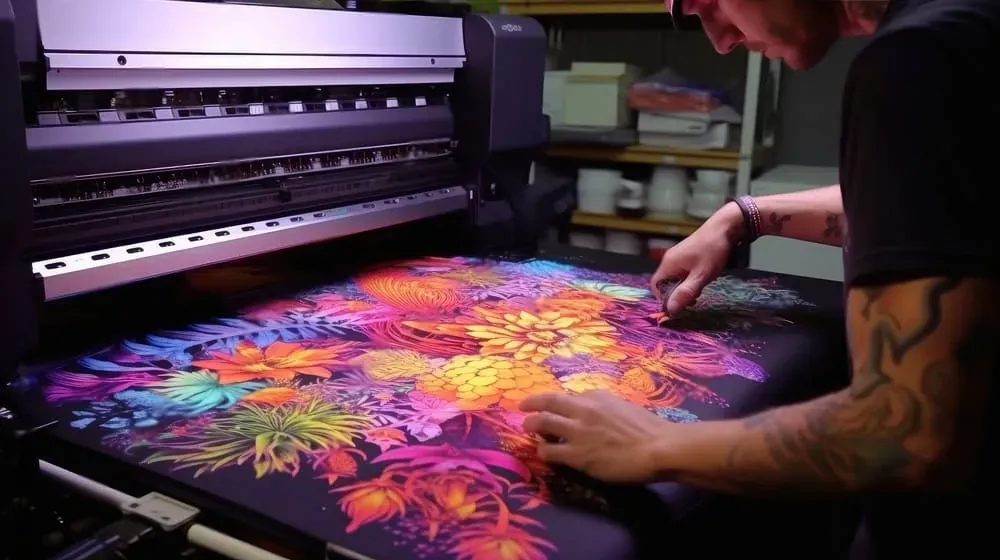
Successful DTF printing is revolutionizing the garment industry, merging innovative technology with stunning design potential. As designers explore the versatile realm of Direct-to-Film (DTF) printing, they uncover a wealth of possibilities for vibrant, durable prints. By leveraging effective DTF printing tips and best practices for DTF printing, creators can refine their techniques and ensure remarkable results every time. In this designer's guide to DTF, we will delve into the essential garment printing techniques that can elevate your work to new heights. Whether you're just starting or looking to enhance your skills, mastering how to DTF print opens doors to endless creative opportunities.
Direct-to-Film (DTF) printing offers a fresh approach to fabric decoration, allowing artists to seamlessly transfer intricate designs onto garments. This cutting-edge technique, which involves transferring images via a specialized film, is gaining traction among fashion designers and hobbyists alike who seek high-quality results. By adhering to key guidelines in the world of fabric printing, such as understanding the intricacies of DTF processes and utilizing the right materials, anyone can achieve stunning prints. Whether you're familiar with similar printing methods or exploring new horizons, the right knowledge can pave the way for successful fabric transfers. As trends in garment printing evolve, mastering techniques like DTF will enable designers to stay ahead of the curve.
Mastering the Fundamentals of DTF Printing
Understanding the fundamentals of Direct-to-Film (DTF) printing is essential for any designer looking to excel in garment decoration. This innovative technique allows designers to transfer intricate designs onto a variety of fabrics with a high degree of accuracy and color vibrancy. DTF printing works by transferring artwork printed onto a specialized film using heat and pressure, making it suitable for numerous textile types. Familiarizing yourself with the mechanics of this process helps establish a solid foundation for successful DTF printing, ensuring that designs translate beautifully from paper to fabric.
Every stage of the DTF printing process plays a significant role in determining the quality of the final product. From selecting the appropriate ink to choosing the right transfer film, each choice contributes to the vibrancy and durability of the prints. Moreover, understanding the pre-press requirements—such as image resolutions and color profiling—is crucial. This knowledge not only enhances your technical skills but also empowers you to make informed decisions that can elevate the overall quality of your printed garments.
Choosing High-Quality DTF Inks
When it comes to DTF printing, the ink choice is pivotal for achieving vivid, durable prints. High-quality DTF inks are formulated specifically to produce bright colors and maintain longevity, making them an ideal choice for intricate designs. Eco-solvent inks, for instance, are environmentally friendly and can achieve exceptional results, providing a vibrant output without compromising on sustainability. By investing in top-tier inks, designers can ensure that their creations not only look stunning but also stand the test of time, even after multiple washes.
Additionally, understanding the different types of DTF inks available is essential for making the right selection based on your projects. Some inks are more suited for dark fabrics, while others perform better on light-colored materials. By aligning your ink choice with the fabric type and design requirements, you can enhance the printing process and the final output. Prioritizing ink quality directly correlates to the success of your DTF printing endeavors.
Selecting the Right DTF Transfer Films
The choice of transfer film is another crucial step in the DTF printing process. Films designed specifically for DTF applications feature unique surfaces conducive to the heat transfer process, resulting in a superior adhesion of designs to fabric. With options ranging from standard films to those designed with special technologies for specific fabric blends, understanding these differences empowers designers to select the perfect film for each project. The right film can significantly impact the finished look, feel, and durability of the printed garment.
Moreover, proper film selection can also affect the details and color accuracy of your prints. Films that are tailored for DTF printing help preserve the integrity of fine details within a design, ensuring that every nuance is captured during the print process. As such, it’s vital to consider both the aesthetic and functional aspects of transfer film that align with your artistic vision.
Pre-Press Essentials for Ideal DTF Outcomes
Pre-press preparation sets the stage for successful DTF printing, encompassing critical steps that ensure your artwork translates perfectly onto fabric. One of the key elements is ensuring images are created at a minimum of 300 DPI, a standard that guarantees high clarity and sharpness in the final print. Additionally, utilizing the CMYK color mode aids in accurate color representation, as opposed to RGB. Understanding these pre-press protocols is essential for designers to avoid common pitfalls that can detract from the visual appeal of their prints.
By investing time in pre-press preparation, designers minimize errors during the printing process, leading to fewer test prints and less waste. This attention to detail not only enhances the overall quality of the prints but also boosts production efficiency. Remember that thoughtful preparation directly correlates with the satisfaction of your customer base, as high-caliber prints are often noticed and appreciated.
Fine-Tuning Heat Press Settings for Optimal Transfers
Heat press settings play a pivotal role in achieving precise DTF transfers that adhere effectively to fabric. Typical recommendations set the heat press at around 320°F (160°C) for durations of 15 to 20 seconds. However, these settings may vary based on the fabric type, necessitating careful calibration for optimal results. Conducting tests on scrap pieces of fabric allows designers to fine-tune settings, assuring that each printed design maintains its integrity without causing damage during the transfer process.
Understanding the nuances of temperature and pressure can be a game changer in the quality of your DTF prints. Overheating may lead to scorching the fabric or distorting the design, while insufficient heat could result in poor adherence of the print. Therefore, consistent testing and adjustments not only help optimize the process but also enhance the overall satisfaction of customers who cherish well-executed designs.
Post-Processing Techniques for DTF Prints
The post-processing phase is just as critical as the printing itself, as it involves techniques that enhance the durability and longevity of DTF prints. Allowing prints to cure correctly ensures that the inks settle into the fabric fibers, yielding a resistant and vibrant final product. Adhering to specific washing and care guidelines post-printing extends the life of your designs and enriches customer satisfaction by minimizing wear and tear.
Incorporating post-processing techniques not only enhances the durability of your DTF prints but also fosters better relationships with customers. Providing clear and comprehensive care instructions helps users maintain their garments, protecting both your artistry and their investment. As such, acknowledging the full lifecycle of your prints—including the post-processing stage—can create a stronger bond between you and your customers, fostering loyalty and repeat business.
Frequently Asked Questions
What are the top DTF printing tips for achieving high-quality prints?
To achieve high-quality DTF prints, consider these tips: Understand the DTF printing process to grasp how it works. Choose high-quality DTF inks for vibrant colors, and select films specifically designed for DTF printing. Proper pre-press image preparation is crucial, using at least 300 DPI and the CMYK color mode. Finally, set appropriate heat press settings and conduct test prints to refine your techniques.
How does the DTF printing process work and why is it effective?
DTF printing works by printing designs onto a specialized film, which is then heat-transferred onto garments. This method is effective due to its versatility, allowing for vibrant colors and compatibility with various fabrics. Understanding the process is essential for those seeking to master DTF printing.
What ink is recommended for successful DTF printing?
For successful DTF printing, it's recommended to use high-quality DTF inks that are specifically designed for producing bright and long-lasting prints. Eco-solvent inks are a great choice as they provide vibrant colors while being environmentally friendly, ensuring your prints stand out.
What are some best practices for DTF printing preparation?
Best practices for DTF printing preparation include using images with at least 300 DPI for clarity and ensuring that you use the CMYK color mode for accurate color output. Additionally, proper film selection and test printing can help identify issues before they affect quality.
How do heat press settings affect DTF print quality?
Heat press settings play a significant role in DTF print quality. Typically, a setting of 320°F (160°C) for 15-20 seconds works well, but adjustments may be needed based on fabric type. Proper settings ensure that designs adhere correctly while maintaining the integrity of the garment.
What should designers know about post-processing in DTF printing?
Post-processing is crucial after DTF printing. Allow prints to cure properly to enhance durability, and always provide customers with specific washing and care instructions. This not only prolongs the life of the prints but also helps prevent premature wear, ensuring customer satisfaction.
| Tip | Description |
|---|---|
| 1. Understand the DTF Printing Process | Comprehend the DTF printing process involving transferring designs from a film to garments with heat and pressure for versatility and quality. |
| 2. Choosing the Right Ink | Utilize high-quality DTF inks for vibrant colors and longevity, such as eco-solvent inks for better environmental impact. |
| 3. Proper Film Selection | Select films designed specifically for DTF printing with textured surfaces to ensure proper adherence to fabric. |
| 4. Pre-Press and Image Preparation | Prepare images at 300 DPI in CMYK for a clearer, sharper print that accurately represents colors. |
| 5. Heat Press Settings | Set heat press to around 320°F (160°C) for 15-20 seconds, and test on scraps to find optimal settings. |
| 6. Design for the Print Area | Ensure designs fit well within the garment's print area to enhance visibility and appeal to fashion trends. |
| 7. Test Prints and Calibration | Conduct test prints for color accuracy on different fabrics and regularly calibrate printers for consistent results. |
| 8. Post-Processing Techniques | Cure prints correctly and provide care instructions to ensure durability and customer satisfaction. |
| 9. Customer Education and Care Instructions | Educate customers on proper washing and care to reduce wear and returns, assuring them of product quality. |
| 10. Stay Updated on Technology and Trends | Continuously learn about emerging technologies and trends through workshops and courses to stay competitive. |
Summary
Successful DTF printing hinges on a comprehensive understanding of the process and attention to detail. By implementing these ten essential tips, designers can significantly improve the quality and longevity of their prints, ensuring vibrant results that satisfy customer expectations. From choosing the right ink and film to optimizing heat press settings and providing thorough care instructions, each aspect plays a vital role in the overall success of DTF printing. Additionally, staying informed about advancements in technology awakens new opportunities for creative expression, keeping your skills sharp and market competitive. Embrace this transformative printing method to elevate your garment design offerings.