
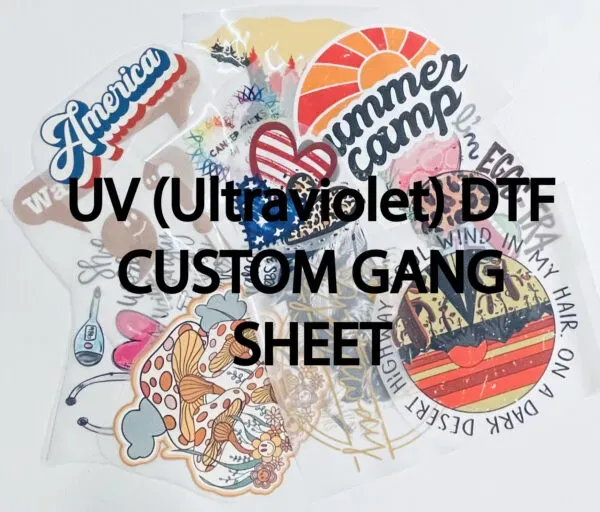
UV DTF Gangheet represents a groundbreaking innovation in the world of printing, particularly excelling in producing stunning designs that captivate audiences. As the design landscape continues to evolve, this unique technique combines the power of UV DTF printing with advanced methodologies, ensuring vibrant and durable results under various conditions. By leveraging the capabilities of transfer film printing, designers and business owners can explore endless creative possibilities with their projects. This guide aims to unravel the intricacies of UV DTF Gangheet, providing you with essential design tips and insights tailored specifically for this modern printing technique. Dive into the realm of UV DTF and discover how to elevate your craft to new heights with exceptional outputs that stand out in any market.
Exploring the field of UV Direct to Film printing, also known as UV DTF, reveals a dynamic approach to achieving impressive graphic results. The use of the Gangheet method enhances the potential of this printing technique, offering a fresh perspective for designers. Utilizing advanced transfer film printing, artists can create eye-catching designs that not only leverage color vibrancy but are also incredibly durable. In this article, we will dive deeper into the essential practices that can help you realize your creative visions and maintain unparalleled quality in your printed materials. Whether you're in the textile industry or looking to personalize promotional products, understanding these techniques will provide a competitive edge in your creative endeavors.
The Advantages of UV DTF Printing
UV DTF printing offers numerous advantages over traditional printing methods, making it an appealing choice for many designers and business owners. One of the primary benefits is the superior color vibrancy produced by UV inks, which are engineered to cure quickly under ultraviolet light. This results in sharp, high-quality prints that are resistant to fading, even under harsh environmental conditions. Additionally, since this printing technique does not require excessive heat, it can be used on a wider range of materials, expanding the possibilities for creative applications.
Another significant advantage of UV DTF printing is its versatility. Whether you’re looking to print on textiles, promotional products, or personalized items, this method can accommodate multiple substrates, allowing for stunning designs that are both intricate and vivid. The Gangheet method enhances this versatility by incorporating various printing techniques specific to the material being used, resulting in optimal adhesion and durability. Overall, the capabilities of UV DTF printing position it as a leading printing technique in today’s market.
Exploring the Gangheet Method in Detail
The Gangheet method within UV DTF printing is all about meticulous preparation and execution. It emphasizes the importance of utilizing high-resolution graphics and layered designs, which contribute substantially to the aesthetic quality of the final product. By preparing your designs in layers, you gain greater control over visual elements such as texture and depth, which can significantly elevate the overall look of the print. Furthermore, careful film selection tailored to your specific design is paramount, as the wrong film can affect color vibrancy and ink adherence.
Within the Gangheet method, proper printer setup cannot be overstated. Adjustable printer settings, tailored to specific projects, can make a world of difference in the output. Color profiles should align with the design's specifications, and regular calibration of the ink saturation levels ensures the production of vibrant prints consistently. This attention to detail is what sets the Gangheet method apart and justifies its growing popularity among practitioners looking to achieve exceptional printing results.
Essential Design Tips for Stunning Outputs
To achieve breathtaking results with UV DTF Gangheet, designers must implement various design tips that enhance the overall print quality. Firstly, managing color accurately is crucial. Utilizing the CMYK color mode ensures that what is viewed on-screen is true to the printed image. Designers should also consider contrasting color schemes that effectively pop against the backdrop, creating visually striking designs that captivate viewers. It’s also essential to maintain a balanced composition, where colors and elements harmoniously work together.
Another aspect to consider is the incorporation of textures and layering in your designs. By playing with different textures and creating layered effects, you can add dimension and intrigue to your prints. Experimentation during the design phase can lead to unexpected yet stunning outcomes that stand out. Additionally, conducting test prints on the chosen DTF film before initiating full production allows for adjustments, ensuring all aspects of the design execute flawlessly during the print process.
The Significance of Quality Materials in Printing
The quality of materials used in UV DTF printing significantly impacts the final output. High-quality UV inks are essential, as they not only enhance color vibrancy but also ensure durability.Quality inks produce prints that are scratch-resistant and less prone to fading, making them ideal for items that will see regular use. When paired with the right DTF film, these inks allow for superior adhesion and flexibility, resulting in stunning designs that endure over time.
Moreover, proper printer maintenance and equipment selection play crucial roles in achieving reliable results. Ensuring that printers are well-maintained and equipped with the right capabilities can drastically affect print quality. Avoiding ink blockage by adhering to recommended maintenance practices ensures consistent outputs. By investing in top-of-the-line materials and maintaining equipment, printers can optimize their processes and achieve vibrant, stunning designs that meet customer expectations every time.
Applications of UV DTF Printing Across Industries
UV DTF printing’s versatility makes it an excellent choice across various industries. In the fashion world, this printing technique allows for eye-catching designs on textiles, including T-shirts, tote bags, and even activewear, enabling brands to express unique identities through custom prints. Beyond textiles, UV DTF is also making waves in the promotional products sector, where items such as mugs, keychains, and stationery can be personalized extensively, appealing to both consumers and businesses.
Additionally, artisans and artists can leverage this printing method to explore creative possibilities on diverse materials like metal, wood, or glass. This adaptability affords artists the ability to create art pieces that are both durable and vibrant, merging functionality with artistic expression. The Gangheet method’s unique approaches create even broader possibilities for artistic projects, allowing for innovative designs that push the boundaries of traditional printing.
Key Maintenance Tips for Long-lasting Prints
Consistent quality in printing relies heavily on proper maintenance of your UV DTF equipment and materials. Regular cleaning of print heads, ink lines, and the overall printer unit is essential to avoid problems such as ink clogs. Operators should follow manufacturer guidelines for routine maintenance, ensuring that all components are functioning optimally. By prioritizing maintenance, printers can significantly extend the lifespan of their equipment and avoid costly downtime.
In addition to cleaning, it’s important to monitor ink levels and viscosity regularly. Low ink levels can lead to inconsistencies in print quality, resulting in subpar designs that don’t meet your standards. Implementing a monitoring system for ink levels ensures that you are never caught off guard during production runs. Overall, dedication to maintenance practices can make a marked difference in achieving the stunning results synonymous with UV DTF Gangheet printing.
Frequently Asked Questions
What advantages does UV DTF Gangheet offer for stunning designs?
UV DTF Gangheet integrates the benefits of UV DTF printing, which includes enhanced durability and vibrant colors. It allows for stunning designs by using high-quality UV inks that cure quickly, producing sharp prints that are resistant to fading and scratches. This method also involves careful design preparation and selection of appropriate transfer films to ensure high-quality outputs.
How can I prepare my designs for UV DTF Gangheet printing?
To prepare your designs for UV DTF Gangheet, ensure they are high-resolution (minimum 300 DPI) and created in layers. This approach provides better control over the final output. Additionally, using CMYK color modes during the design phase will help achieve color accuracy when printed, resulting in stunning designs.
What are some key design tips to consider with UV DTF Gangheet?
When utilizing UV DTF Gangheet, focus on accurate color management, experiment with textures, and apply layering techniques in your designs to create depth. Always conduct test prints on the chosen transfer film to fine-tune your settings and designs, maximizing color vibrancy and overall impact.
What materials are essential for successful UV DTF Gangheet printing?
For successful UV DTF Gangheet printing, it’s vital to use high-quality UV inks, compatible DTF transfer films, and maintain proper equipment like heat presses. Regular printer maintenance, including cleaning and checking ink levels, is crucial for consistent and stunning results in your prints.
In which applications is UV DTF Gangheet most effective?
UV DTF Gangheet is highly versatile, perfect for textiles like T-shirts and hoodies, promotional products such as mugs and phone cases, as well as creative projects on diverse materials. Its capacity for vibrant, durable designs makes it ideal for both commercial branding and personal customizations.
How frequently should maintenance be performed on equipment used for UV DTF Gangheet?
Regular maintenance is essential in UV DTF Gangheet printing. Be sure to clean the printer heads frequently to avoid clogging and monitor ink levels regularly. Following manufacturer guidelines for maintenance will ensure optimal performance and stunning design outputs.
| Key Points | Details |
|---|---|
| Introduction to UV DTF Gangheet | Revolutionary printing technique combining DTF and UV technology for enhanced durability and color vibrancy. |
| What is UV DTF Printing? | A process of printing designs onto transfer film using UV inks, providing improved results and durability. |
| Gangheet Method Elements | Preparation, film selection, and printer setup are critical for successful printing. |
| Design Tips for Stunning Outputs | Color management, texture and layers, and test runs enhance the quality and accuracy of prints. |
| Materials and Equipment | High-quality UV inks, regular printer maintenance, and a reliable heat press are essential. |
| Application Areas | Effective for textiles, promotional products, personalization, and artistic projects. |
| Maintenance and Troubleshooting | Regular cleaning and monitoring ink levels are necessary for consistent print quality. |
Summary
UV DTF Gangheet is a groundbreaking method that transforms the printing landscape, allowing designers to create stunning and vibrant outputs. By harnessing advanced techniques and focusing on high-quality preparation and materials, this method elevates your printing projects. Understanding the essential aspects of UV DTF Gangheet, from the intricacies of print setup to the importance of maintenance, is crucial for anyone looking to innovate in the printing industry. Embrace the potential of UV DTF Gangheet to unlock new creative avenues, whether for commercial applications or personal artistry, ensuring that your designs are not only visually appealing but also durable and vibrant.