
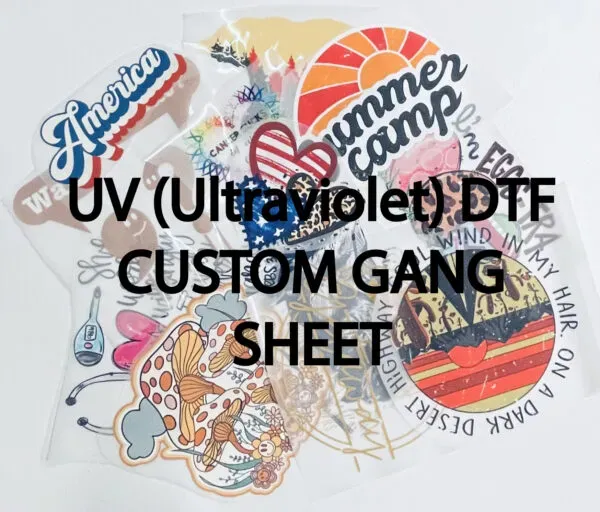
In the realm of modern printing innovations, UV DTF gangheet techniques are revolutionizing how print businesses operate and thrive. This cutting-edge method, which integrates ultra-violet (UV) technologies with Direct to Film (DTF) processes, enables the production of high-quality prints that appeal to a diverse clientele. By harnessing the power of UV printing, companies can significantly speed up their production times while maintaining exceptional print quality on a wide array of materials. Moreover, as sustainability becomes more crucial in consumer choices, UV DTF techniques stand out by utilizing eco-friendly inks, minimizing environmental impact, and promoting sustainable printing practices. In this article, we'll explore how adopting UV DTF gangheet techniques can enhance your print business's offerings and lead to increased profitability.
As the printing industry evolves, innovative applications such as UV Direct to Film printing, often referred to as DTF technology, are gaining traction among print service providers. This technique allows businesses to print intricate designs directly on a specialized film used for transferring onto various surfaces, offering unparalleled versatility and quality. Through the use of ultraviolet light, the ink is cured instantly, creating durable prints that are resistant to wear and fading. Furthermore, this process supports sustainable printing initiatives by reducing harmful emissions associated with traditional printing methods. By embracing these advanced print technology solutions, businesses can significantly enrich their product range and appeal to an environmentally conscious market.
Exploring the Mechanics of UV DTF Printing
UV Direct to Film (DTF) printing combines the principles of traditional printing with advanced UV technology to produce outstanding print results. This innovative method allows for quick curing of ink using ultraviolet light, ensuring that prints dry almost instantaneously. Unlike conventional printing techniques, where drying times can lead to delays and inefficiencies, UV DTF printing streamlines the workflow, making it an essential choice for print businesses aiming to improve turnaround times.
In UV DTF printing, the process starts with a specialized transfer film that holds the print design. After the design is printed on the film, it is exposed to UV light that cures the ink, resulting in vibrant colors and detailed images. This technique opens up possibilities for printing on various substrates, from fabrics to plastics, which can cater to diverse customer needs, driving business growth.
Advantages of UV DTF Gangheet Techniques
The UV DTF gangheet techniques stand out in the printing industry due to their remarkable advantages. Primarily, they provide versatility across substrates. Businesses can use these techniques to print on a wide range of materials, including textiles, metal, and even wood, broadening their market reach. By diversifying product offerings with UV DTF printing, print businesses can attract a wider clientele, helping them gain a competitive edge in the industry.
Moreover, the print quality achieved through UV DTF techniques is truly impressive. The UV cure process not only enhances the color vibrancy but also increases durability. Products printed using this technique resist fading and peeling, leading to higher customer satisfaction and lower return rates. In a market where quality often differentiates businesses, leveraging the high-quality output of UV DTF printing can enhance a company's reputation.
Sustainable Practices in the Print Business
In today's eco-conscious market, sustainability is more important than ever. UV inks used in DTF printing are typically free of harmful volatile organic compounds (VOCs), making them a healthier alternative to traditional inks. By adopting sustainable printing practices, businesses can not only reduce their environmental footprint but also appeal to customers who prioritize eco-friendly products. Promoting these sustainable practices may enhance brand loyalty and attract a new demographic of environmentally aware consumers.
Furthermore, sustainable UV DTF printing is about more than just ink; it also encompasses efficient production processes. The rapid curing time reduces energy consumption, allowing print businesses to operate more sustainably. When print companies adopt practices that emphasize sustainability, they position themselves as leaders in innovation, attracting further business opportunities in a world increasingly focused on reducing environmental impact.
Expanding Market Reach with UV DTF Printing
With the power of UV DTF printing, print businesses can explore untapped markets. The versatility of this printing method allows for adaptation across various industries, including fashion, advertising, and promotional products. By creating custom prints for various applications, businesses can meet diverse customer needs and expand their service offerings, thereby increasing their market reach. From unique apparel prints to personalized promotional items, the possibilities are endless.
Moreover, as businesses adopt UV DTF gangheet techniques, they can also leverage digital marketing to inform potential customers about their new capabilities. Promoting unique offerings like custom design capabilities on social media platforms and through email campaigns can attract new clientele. Engaging with customers and showcasing high-quality prints can lead to increased visibility and sales, effectively growing the business’s footprint within the print industry.
Training and Development in UV DTF Techniques
Successful integration of UV DTF gangheet techniques requires comprehensive training for print business staff. Familiarizing the team with the intricacies of new equipment and technology is crucial for maximizing the potential of UV DTF printing. This training ensures that employees can efficiently operate machines and troubleshoot issues that may arise, leading to a more productive and efficient work environment.
Furthermore, continuous development is vital. Providing regular workshops and updates about advancements in UV DTF technology can keep staff motivated and informed. As print businesses evolve, having a knowledgeable team that embraces change can lead to further innovation and stay competitive in an ever-advancing market.
The Future Trends in UV DTF Printing
The future of UV DTF printing is promising, with ongoing technological advancements paving the way for enhanced capabilities and productivity. As raw materials and equipment continue to improve, print businesses will have access to even better quality inks and substrates, leading to superior print outcomes. Emerging trends include the development of more environmentally friendly inks and processes, aligning with the global movement toward sustainability.
Additionally, the integration of automation in UV DTF printing processes is expected to increase efficiency in production lines. As technology advances, businesses that adopt these innovations will likely see significant growth, as they are equipped to handle more complex projects and larger orders. By remaining ahead of trends and continually evolving their offerings, print businesses can position themselves for long-term success and sustainability.
Frequently Asked Questions
What is UV DTF Gangheet Techniques and how does it benefit my print business?
UV DTF Gangheet Techniques refer to the innovative use of UV Direct to Film (DTF) printing that enhances print quality and versatility. This technique allows businesses to produce high-quality prints on various substrates, including textiles, making it ideal for custom apparel and promotional items. The enhanced durability of UV prints and quicker production times lead to increased customer satisfaction and profitability.
How does UV DTF printing compare to traditional printing methods?
Unlike traditional printing, UV DTF printing uses ultraviolet light to cure inks, resulting in vibrant colors and sharp details that are resistant to fading and scratches. This method significantly reduces drying times, allowing for faster production and improved turnaround, thus giving print businesses a competitive edge.
Is UV DTF gangheet printing environmentally friendly?
Yes, UV DTF gangheet printing is considered a sustainable printing option as it uses UV inks that are free from harmful volatile organic compounds (VOCs). This eco-friendly aspect can attract customers who are increasingly conscious about their environmental impact, enhancing your business's appeal.
What types of materials can I print on using UV DTF gangheet techniques?
UV DTF gangheet techniques offer versatility across various substrates, including textiles, plastics, metals, and more. This adaptability allows print businesses to expand their product range, catering to different customer needs and exploring diverse markets.
What equipment do I need to start using UV DTF gangheet techniques?
To implement UV DTF gangheet techniques, you need a reliable UV DTF printer designed for high-quality printing. Look for models with advanced features such as high print resolutions, fast curing capabilities, and compatibility with various substrates to maximize the potential of UV DTF printing.
How can I market my UV DTF printing services effectively?
Effectively marketing your UV DTF printing services involves utilizing your website, social media, and newsletters to inform customers about the new offerings. Highlight key benefits such as high-quality results, sustainability, and versatility to attract new clientele and retain existing customers.
| Key Aspect | Description |
|---|---|
| Understanding UV DTF Printing | Involves printing onto a transfer film and using UV light to cure ink, providing vibrant colors and details. |
| Benefits of UV DTF Gangheet Techniques | Multiple advantages, including versatility, high quality, environmental considerations, faster production times, and cost efficiency. |
| Versatility Across Substrates | Adapts to various materials, allowing businesses to expand their market offerings. |
| High-Quality Results | Superior durability, resistance to fading and scratching builds customer trust. |
| Environmental Considerations | UV inks are eco-friendly, free from harmful VOCs, appealing to sustainability-focused customers. |
| Faster Production Times | Ready for handling immediately after printing, enhancing turnaround speeds. |
| Cost Efficiency and Profit Margins | Initial investments may be high, but long-term savings and increased revenue streams lead to better margins. |
| Integrating UV DTF Techniques | Involve investing in quality equipment, training staff, marketing new offerings, and innovating designs. |
| The Future of UV DTF Printing | Ongoing advancements promise greater quality and efficiency, increasing attractiveness for print businesses. |
Summary
UV DTF Gangheet Techniques are revolutionizing the print industry, offering businesses a unique opportunity to enhance their service offerings. These techniques enable printing on diverse substrates, ensuring high-quality results that resonate with environmentally-conscious customers. By embracing UV DTF, print companies can streamline their operations with faster production times while significantly increasing their profit margins. As the landscape continues to evolve, integrating these innovative practices will not only facilitate immediate operational improvements but will also position businesses for long-term sustainability and growth. Adopting UV DTF Gangheet Techniques is essential for print companies aiming to remain competitive in a rapidly changing market.