
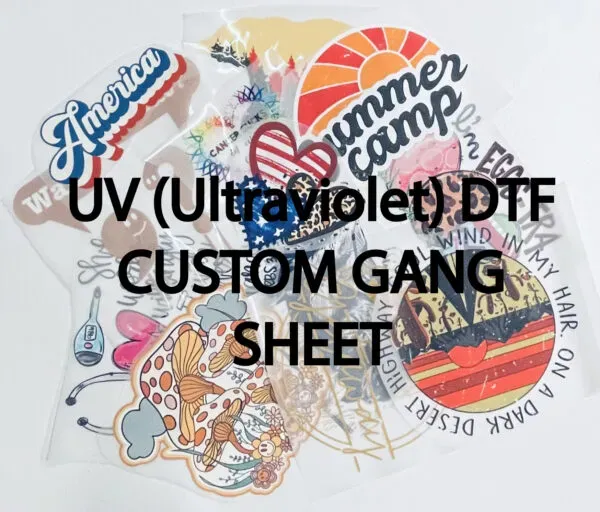
**UV DTF Gangheet** technology is emerging as a frontrunner in the textile printing industry, revolutionizing the way fabrics are printed and designed. This innovative UV printing technology utilizes a specialized direct-to-film method that not only enhances print quality but also ensures remarkable durability and resilience. As manufacturers increasingly seek sustainable textile solutions, UV DTF Gangheet stands out by minimizing waste and adopting eco-friendly inks. With the shift toward customization and unique designs, this digital textile trend offers endless possibilities for custom fabric printing. In this discussion, we will delve into how UV DTF Gangheet is shaping the future of textile manufacturing, paving the way for new opportunities and practices.
Integrating advanced technology into fabric printing, UV DTF Gangheet showcases significant progress in the digital textile arena. This process, often referred to as direct-to-film printing, involves utilizing ultraviolet light to cure inks on surface films, enhancing both the vibrancy and longevity of designs. As sustainability becomes a prominent concern in production practices, alternative approaches like UV DTF provide eco-conscious manufacturers with effective solutions. This method optimizes customization, allowing for responsive design tweaks that cater to emerging trends and consumer preferences. Overall, the innovation of UV DTF Gangheet represents a crucial evolution within textile production, marking a transition toward smarter, more sustainable manufacturing methods.
The Evolution of Textile Printing Technology
Textile printing has experienced a remarkable evolution over the last few decades, driven by the emergence of advanced printing technologies such as UV DTF Gangheet. This innovative approach utilizes ultraviolet light to cure inks, providing superior adhesion and color vibrancy compared to traditional textile printing methods. The shift towards digital textile printing has opened new avenues for designers and manufacturers, allowing for greater creativity and quicker production cycles.
In addition to enhancing print quality, modern textile printing technologies, including UV printing technology, have also streamlined the manufacturing process. With these digital solutions, production times are significantly reduced, enabling businesses to react swiftly to market demands and launch products that resonate with current trends in fashion. As a result, the landscape of textile production is less about mass production of identical items and more about tailored, high-quality outputs.
Sustainable Solutions in Textile Manufacturing
With environmental sustainability becoming a central concern for consumers, textile manufacturers are increasingly turning to green printing practices. UV DTF Gangheet technology is at the forefront of this movement, as it utilizes eco-friendly inks and processes that minimize harmful emissions. This shift not only aligns with global sustainability goals but also meets the expectations of a growing customer base that prioritizes eco-conscious products.
The integration of sustainable practices in textile printing doesn’t just enhance brand reputation; it also opens up new market opportunities. As consumers become more discerning, the demand for sustainable textile solutions continues to rise. Companies that adopt UV DTF Gangheet technology position themselves favorably in a competitive market, showcasing their commitment to environmental responsibility while also providing high-quality products that consumers seek.
Customization Trends in Fabric Printing
The ability to customize designs on fabrics has transformed consumer expectations in the textile industry. UV DTF Gangheet technology allows for rapid changes in design, enabling brands to produce short runs of bespoke textiles tailored to individual customer preferences. This level of customization not only reduces excessive inventory but also fosters a stronger connection between brands and their consumers.
As digital textile trends continue to evolve, businesses that embrace these new technologies can offer unique and personalized products. Custom fabric printing enhances consumer satisfaction by allowing for personalized designs that resonate with individual styles and preferences, further driving demand in the market. Consequently, the adaptability and versatility of UV DTF printing solutions make them a valuable asset in today's fast-paced fashion landscape.
Economic Advantages of UV DTF Printing
The economic landscape of textile production is rapidly changing, influenced by the cost-effectiveness of modern printing technologies. UV DTF Gangheet offers a significant reduction in setup times and waste, which translates to lower production costs, especially for smaller runs or custom orders. This financial efficiency is increasingly important for brands looking to optimize their operational costs while maintaining product quality.
Moreover, the shift to on-demand printing models through technologies like UV DTF allows manufacturers to minimize the risks associated with overproduction. Instead of committing to large batches of products upfront, brands can now produce textiles based on immediate market demand. This agility not only preserves resources but also promotes a more responsible approach toward inventory management.
Market Demand for Digital Textile Printing
The digital textile printing market is expanding rapidly, with projections indicating a significant compound annual growth rate (CAGR) over the next several years. Innovations such as UV DTF Gangheet are driving this growth by meeting the increasing demand for quick turnarounds and high-quality prints across various sectors, including fashion, home décor, and promotional textiles. The ability to produce vibrant, durable prints makes UV DTF an attractive option for businesses aiming to stay competitive.
As industry giants and smaller players alike adopt these technologies, the competition will likely increase. Brands that leverage UV printing technology can cater more effectively to niche markets while also appealing to environmentally conscious consumers. As the market continues to favor personalized and sustainable products, UV DTF Gangheet technology stands out as a crucial tool for future-proofing textile businesses.
The Future of Textile Production Innovation
Looking ahead, the textile industry is poised for further innovations driven by emerging technologies like UV DTF Gangheet. Major manufacturers are beginning to integrate UV DTF processes into their production lines, marking a significant shift towards digitization in fabric printing. As businesses adapt to changing consumer preferences and market conditions, the emphasis on speed, quality, and sustainability will shape the future of textile production.
The continued integration of digital technologies into textile manufacturing not only represents an opportunity to enhance product offerings but also signals a deeper transformation in how companies engage with their customers. Moving forward, businesses that invest in technologies such as UV DTF will likely establish a competitive edge by leading the charge in product innovation, sustainability practices, and customization capabilities.
Frequently Asked Questions
What is UV DTF Gangheet and how does it work in textile printing?
UV DTF Gangheet, or Direct-to-Film technology, is a cutting-edge method in textile printing that uses ultraviolet light to cure inks on a special film. This process ensures vibrant color and exceptional durability, setting it apart from traditional printing methods.
How does UV DTF Gangheet contribute to sustainable textile solutions?
UV DTF Gangheet supports sustainable textile solutions by utilizing eco-friendly inks that reduce environmental impact. This technology minimizes waste and energy consumption compared to traditional textile printing methods, aligning with the industry's move towards greener practices.
What are the advantages of using UV DTF Gangheet for custom fabric printing?
The advantages of UV DTF Gangheet for custom fabric printing include enhanced durability, vibrant colors, and the ability to make swift design adjustments. This flexibility allows for rapid customization to meet specific consumer demands, reducing overproduction.
Is UV DTF Gangheet technology cost-effective for small textile runs?
Yes, UV DTF Gangheet technology is cost-effective for small textile runs, as it reduces setup time and allows for on-demand printing. This approach helps manufacturers cater to customer needs without incurring significant production costs.
What are the latest digital textile trends involving UV DTF Gangheet technology?
Recent digital textile trends include the growing adoption of UV DTF Gangheet technology for its ability to deliver high-quality, durable prints rapidly. This aligns with consumer preferences for unique and personalized textile products, boosting market growth.
Which companies are leading the adoption of UV DTF Gangheet technology in the textile industry?
Industry leaders such as Epson and Mimaki are at the forefront of adopting UV DTF Gangheet technology, integrating it into their offerings. This shift signifies a significant advancement in digital textile printing, catering to the demand for sustainable and customizable solutions.
| Key Points | Details |
|---|---|
| Enhanced Durability and Quality | Produces vibrant and long-lasting prints that withstand fading and wear. |
| Sustainability | Uses eco-friendly inks, reducing environmental impact, appealing to conscious consumers. |
| Flexibility and Customization | Allows quick design adjustments, minimizing waste and meeting consumer demands. |
| Cost-Effectiveness | Reduces setup times and production costs, beneficial for smaller runs and custom orders. |
| Market Trends | Digital textile printing is projected to grow significantly, driven by innovations like UV DTF Gangheet. |
| Industry Adoption | Major companies are integrating UV DTF processes, indicating industry shift towards personalized and sustainable products. |
Summary
UV DTF Gangheet technology is at the forefront of transforming the textile industry by enhancing print quality, sustainability, and customization options. This revolutionary method utilizes advanced ultraviolet curing techniques to produce durable and vibrant designs, addressing both consumer preferences and environmental concerns. As its adoption grows, UV DTF Gangheet is set to become a pivotal force in the evolution of textile manufacturing, ensuring that businesses remain efficient and responsive to the dynamic market demands of the future.