
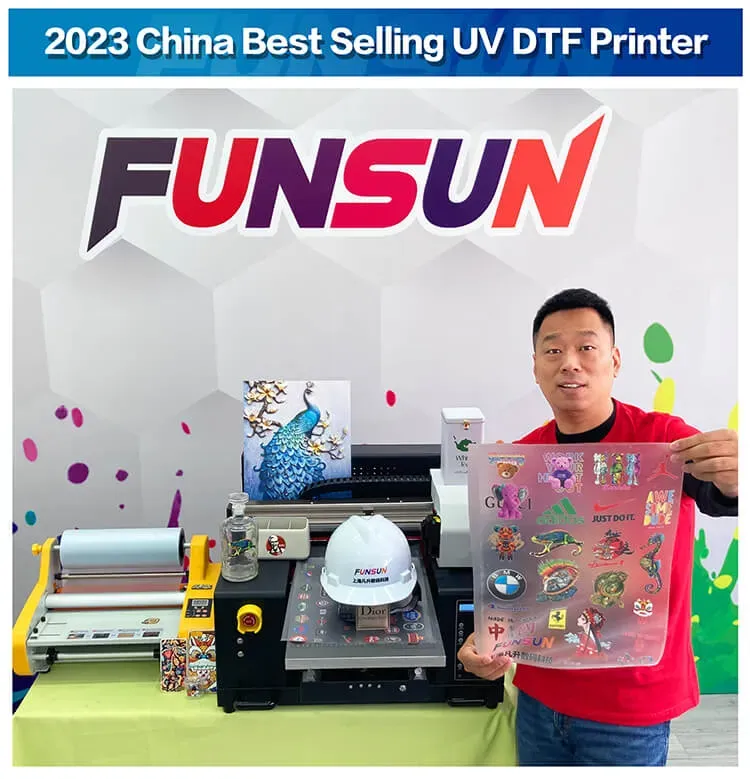
In the ever-evolving landscape of printing technologies, **UV DTF printing** has emerged as a revolutionary option that outshines many traditional printing methods. This innovative technique uses ultraviolet light to transfer vibrant designs directly onto various substrates, ensuring a level of quality and durability that traditional methods often lack. As businesses and artists seek solutions that prioritize sustainability in printing, the eco-friendly aspects of UV DTF printing make it an attractive alternative. With its ability to adapt to a wide range of materials, this technology offers unparalleled printing versatility, catering to diverse industry needs. Join us as we delve deeper into the benefits of DTF printing and how it can transform your creative projects and business operations.
Also known as ultraviolet direct-to-film printing, this modern approach to design transfer is quickly becoming the preferred choice for many in the printing industry. UV DTF's groundbreaking technology provides a seamless and efficient way to produce high-quality prints on an array of materials. As businesses strive for sustainability in printing processes, this method stands out by significantly reducing waste compared to older traditional printing methods. Additionally, the printing versatility offered by DTF technology allows creators to explore unique applications without being bound by material limitations. In this discussion, we'll evaluate how this innovative printing technique stacks up against conventional printing options, covering quality, cost, and operational efficiency.
The Emergence of UV DTF Printing
UV direct-to-film (DTF) printing has emerged as a revolutionary technology in the printing industry, offering an innovative alternative to traditional methods. The process utilizes ultraviolet light to cure inks directly onto film, which allows for vibrant, durable designs that can be transferred onto an array of substrates. As industries demand high-quality visuals with shorter turnaround times, UV DTF meets these needs effectively, causing a significant shift in consumer preferences.
Furthermore, UV DTF printing technology provides an unprecedented level of flexibility and creativity. With the capability of printing on various materials, such as fabrics, woods, and plastics, businesses can explore diverse design options that were previously limited by traditional printing methods. This versatility not only enhances creative possibilities but also allows businesses to cater to a broader market without extensive additional investments in equipment.
Sustainability in UV DTF Printing
Sustainability has become a primary concern in the modern printing landscape, and UV DTF printing shines as a leader in this aspect. Unlike traditional printing methods that often involve harmful chemicals and generate considerable waste, UV DTF utilizes eco-friendly inks and processes that minimize environmental impact. As the industry pivots towards greener solutions, DTF offers a refreshing alternative that enables brands to promote their commitment to sustainability without sacrificing quality.
In addition to reducing waste, UV DTF printing's efficiency further contributes to its sustainability. The process requires fewer resources and materials compared to traditional printing, making it a cost-effective option that aligns with environmentally-conscious practices. This shift towards sustainable printing solutions resonates with consumers who prioritize ecological considerations in their purchasing decisions, thus enhancing brand loyalty.
Benefits of DTF Printing Over Traditional Methods
The benefits of ultraviolet DTF printing extend far beyond its environmental advantages, positioning it as a superior choice for modern printing needs. One of the most notable advantages is the outstanding print quality. UV DTF produces exceptionally vibrant colors, crisp details, and a level of durability that often surpasses that of traditional methods. This quality ensures that printed products maintain their visual appeal over time, which is crucial for brands seeking to make lasting impressions.
Moreover, DTF printing reduces setup times significantly, allowing businesses to fulfill orders more rapidly. Unlike traditional methods that require extensive pre-print preparation, UV DTF's user-friendly technology streamlines the process, making it easier to switch between projects and formats. This operational flexibility not only enhances productivity but also supports the growing expectation for quick turnarounds in the fast-paced market.
Versatility of DTF Technology in Various Industries
DTF technology is at the forefront of a versatile printing revolution, catering to a wide range of industries from fashion to signage. Its ability to adhere to different substrates means that businesses are no longer restricted to a single type of material for their branding and promotional needs. For example, apparel companies can use DTF to print on intricate fabrics, while decorators can apply it on rigid surfaces like wood and acrylic, fostering endless creative possibilities.
This versatility extends beyond just materials; DTF technology accommodates various design styles and artistic expressions. Whether it's intricate patterns, bold graphics, or subtle textures, DTF printing can replicate them all, ensuring that businesses can convey their unique identities in every project. As companies strive to differentiate themselves in competitive markets, the adaptability of DTF becomes a significant advantage.
Comparing Operational Cost: DTF vs. Traditional Printing
When assessing the operational costs associated with UV DTF printing compared to traditional printing methods, many discover significant savings that can influence their decision-making. Traditional printing often involves substantial initial investment in screens, inks, and extensive setup processes, which can deter smaller businesses from entering the market. Conversely, the DTF method's streamlined process reduces upfront costs and ongoing expenses, making it an attractive option for startups and established brands alike.
Additionally, the efficiency of UV DTF printing helps minimize wasted materials during production, translating to further cost savings for businesses. By reducing spoilage and misprints, companies operating with DTF can maximize profits while also supporting sustainable practices. This balance between cost-effectiveness and environmental responsibility is becoming increasingly vital in today's conscientious market.
The Future of UV DTF Technology in Printing
As the demand for UV DTF printing continues to rise, it's clear that this technology represents the future of modern printing solutions. Investment in DTF technology is expected to grow, driven by advancements in machinery that enhance print quality, efficiency, and user experience. Companies are keen to harness the potential of this innovative method, enabling them to stay competitive in an evolving landscape.
Furthermore, as brands increasingly prioritize sustainability in their operations, UV DTF technology aligns perfectly with these goals. The combination of high-quality output, versatility, and eco-friendliness positions DTF printing as a frontrunner in the industry, appealing to both manufacturers and consumers who value environmental responsibility. The ongoing evolution of this technology will likely foster even more creative developments, ensuring its position as a key player in the printing market for years to come.
Frequently Asked Questions
What advantages does UV DTF printing have over traditional printing methods?
UV DTF printing offers numerous advantages over traditional printing methods, primarily in sustainability, versatility, and cost efficiency. It minimizes waste and harmful emissions, adapting easily to various materials like fabric, plastic, and wood, making it an eco-friendlier choice. Additionally, it requires less setup time and material investment, allowing for more affordable custom printing.
How does UV DTF printing contribute to sustainability in printing?
UV DTF printing contributes to sustainability in printing by reducing waste and eliminating the need for toxic inks and solvents common in traditional methods. This technology uses ultraviolet light for curing, which is more energy-efficient and leads to lower emissions, aligning with eco-friendly practices.
In what ways is DTF technology improving printing versatility?
DTF technology enhances printing versatility by allowing for high-quality prints on a wide range of substrates including textiles, plastics, and even wood without requiring specific pre-treatments. This adaptability opens up new creative possibilities across different industries, marking a significant improvement over traditional printing methods.
What are the cost benefits of using UV DTF printing compared to traditional printing methods?
The cost benefits of using UV DTF printing include lower setup costs and reduced material waste. With advancements in DTF technology, smaller businesses can produce high-quality, custom prints economically, without the hefty initial costs associated with traditional printing setups, making it a smarter choice for budget-conscious users.
How does the quality and durability of UV DTF prints compare to traditional printing methods?
UV DTF prints are known for their superior quality and durability compared to traditional printing methods. They exhibit vibrant color retention and fade resistance, making them ideal for long-lasting applications. In contrast, traditional prints may require careful maintenance to achieve similar durability.
What innovations in DTF technology are shaping the future of printing?
Innovations in DTF technology, such as advanced printers like the eufyMake UV Printer E1, are revolutionizing the printing landscape. These machines offer high-quality output, user-friendly designs, and a significant reduction in operational complexity, paving the way for broader adoption and enhancing efficiency across various printing applications.
| Aspect | UV DTF Printing | Traditional Printing Methods |
|---|---|---|
| Sustainability | Minimizes waste and uses eco-friendly materials. | Often uses hazardous materials and generates excess waste. |
| Versatility | Suitable for a variety of materials (fabrics, plastics, wood). | Limited to specific materials and conditions. |
| Cost Efficiency | More affordable and cost-effective for small businesses. | Higher setup costs and time investments due to required materials. |
| Quality and Durability | Offers enhanced durability and vibrant color retention. | High consistency but requires meticulous setup and calibration. |
| Operational Flexibility | Quicker turnaround times due to streamlined setups. | Multi-stage production often results in longer waiting times. |
Summary
UV DTF printing is a revolutionary technology that is transforming the landscape of printing by offering sustainable, versatile, and cost-effective solutions. This advanced method allows for direct transfers of designs onto various substrates with superior durability and vibrant colors. As businesses continue to embrace the benefits of UV DTF printing, it is clear that it presents a compelling alternative to traditional printing methods, catering to the increasing demand for eco-friendly and efficient production processes.