
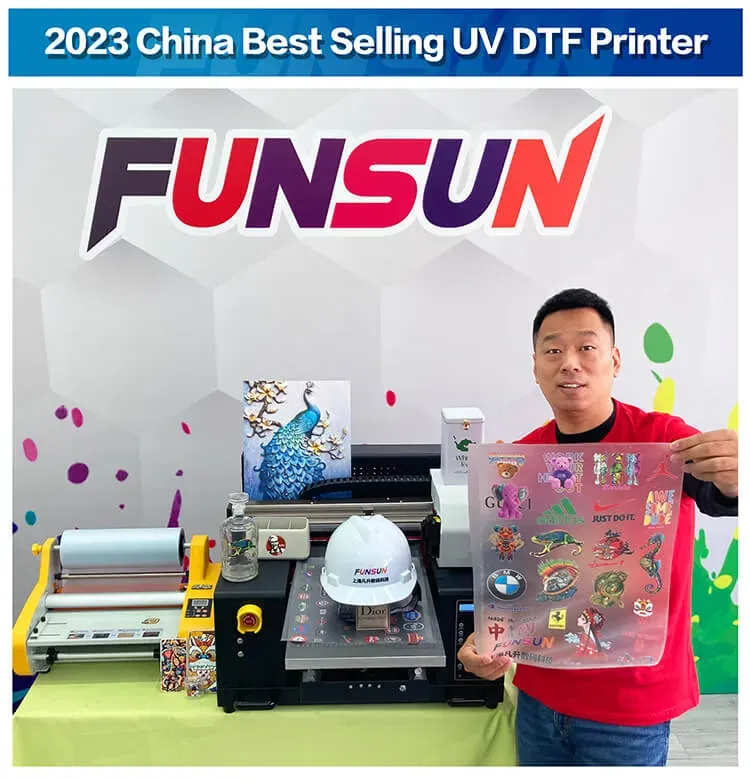
In the realm of modern printing, UV DTF printing stands out as a transformative force, combining the best of UV printing technology with innovative Direct-to-Film innovations. This advanced method allows for stunningly vibrant prints on a wide range of substrates, from textiles to ceramics, engaging businesses looking for high-quality custom manufacturing solutions. As brands strive for sustainability, UV DTF technology presents sustainable printing solutions that minimize environmental impact while meeting consumer demand for unique products. With expanding UV printing applications and a focus on versatility, this breakthrough technology caters to various industries eager to modernize their practices. Join us in exploring the future of printing as we delve deeper into the fascinating advancements within the world of UV DTF printing.
Also recognized as UV Direct-to-Film procedure, this printing technique represents a significant leap forward in the printing sector. Leveraging ultraviolet inks and direct transfer methods, this approach emerges as a leading solution for creators looking to enhance their product diversity. With the growth of personalized merchandise and environmentally conscious designs, alternative printing modalities like UV DTF promise enhanced options for sustainable applications in consumer goods. As traditional and digital printing techniques converge, the demand for high-quality coatings on various materials grows, solidifying UV DTF technology's vital role in the future of custom printing. In this exploration, we will uncover the various facets and innovations surrounding this cutting-edge technique.
Exploring the Advantages of UV DTF Printing
UV DTF printing offers a myriad of advantages that position it as a leading choice in the modern printing landscape. One of the most significant benefits is its ability to produce high-quality prints with exceptional vibrancy and durability. The use of ultraviolet inks allows for immediate curing, which hands businesses the ability to handle printed materials almost instantly post-production. This rapid turnaround time appeals greatly to companies in the fashion and promotional products sectors, where time efficiency and product quality are paramount.
Moreover, UV DTF printing excels in versatility, capable of printing on a diverse range of substrates including textiles, plastics, and metals. This adaptability makes it an ideal solution for custom manufacturing, where unique designs and materials are often required. As a result, businesses can cater to specific client requests without the limitations faced by conventional printing methods. The technology not only improves the aesthetic appeal of products, but it also enhances customer satisfaction due to its high customization potential.
The Sustainability Trend in UV DTF Technology
In recent years, the demand for sustainability within the printing sector has surged, prompting many businesses to seek eco-friendly alternatives. UV DTF printing addresses this need by utilizing environmentally friendly inks that often have lower volatile organic compound (VOC) emissions compared to traditional solvent-based inks. These advancements reflect a broader commitment within the industry to reduce environmental impact while still delivering high-quality print. As sustainability continues to rise in consumer preference, adopting UV DTF technology can bolster a company's green credentials.
Furthermore, the sustainable practices associated with UV DTF printing extend beyond the inks used. The efficiency of the UV curing process reduces energy consumption, and the technology often minimizes waste by enabling on-demand printing capabilities. This aligns perfectly with the growing trend of producing only what is needed, thus reducing excess stock, which is a significant concern in conventional printing practices. Companies committed to these sustainable printing solutions can enhance their market positioning and appeal to conscientious consumers.
Latest Innovations in UV DTF Printing Equipment
Recent innovations in UV DTF printing equipment have dramatically enhanced printing capabilities, making them more accessible and efficient for businesses of all sizes. Brands like Epson and Mimaki are leading the charge with printers that feature advanced technologies such as higher print resolutions and faster production speeds. These innovations not only improve the final product quality but also boost operational efficiencies, allowing companies to expand their service offerings and increase profitability.
Moreover, many new UV DTF printers now come equipped with user-friendly interfaces and automation features that significantly simplify the printing process. This emphasis on ease of use is vital, especially for small businesses that may not have extensive experience in printing. As these innovations continue to evolve, they are likely to foster broader adoption of UV DTF technology, enabling even more businesses to benefit from the potential of custom printing solutions.
Diverse Applications of UV DTF Technology
The application range of UV DTF printing extends far beyond conventional industries, making it a versatile solution for numerous markets. From fashion to promotional items, the technology has carved a niche in custom manufacturing, allowing brands to create unique, high-quality products tailored to specific customer needs. This flexibility is particularly relevant in today’s market, where consumers increasingly seek personalized and on-demand products.
In addition, UV DTF technology can be effectively utilized in areas such as packaging design, where vibrant graphics and durable prints can elevate a brand’s presence on the shelf. The ability to print on a variety of materials and surfaces affords businesses the opportunity to experiment with innovative designs without the usual constraints. As industries continue to explore the capabilities of UV DTF printing, we can expect an even wider array of applications to emerge, further demonstrating the technology’s adaptability.
Understanding the Market Dynamics of UV DTF Printing
As UV DTF printing continues to gain traction within the market, understanding the underlying dynamics becomes essential for industry participants. The increasing trend of customization, paired with consumer demand for unique products, is driving market growth. Companies are now looking towards UV DTF solutions for their print-on-demand potential, which allows for reduced inventory and waste, a significant benefit in today's fast-paced retail environment.
Furthermore, market analysts note that this technology reframes the operational landscape for many print shops, leading to new business models that prioritize flexibility and speed. As stakeholders begin to embrace UV DTF printing, they are likely to adopt strategies that align with current consumer trends; this includes integrating sustainable practices and enhancing service variability to meet diverse client demands. Consequently, the future of UV DTF printing looks promising as it becomes more entrenched in the commercial printing ecosystem.
Overcoming Challenges in UV DTF Printing Adoption
Despite its numerous advantages, the adoption of UV DTF printing does come with its challenges. One notable barrier is the initial investment required for high-quality printing equipment. For smaller companies or startups, these costs can be a significant deterrent, especially when tight budgets are a prevalent concern. However, as technology advances and equipment becomes more widely available, prices are expected to become more competitive, offering a viable pathway for wider adoption.
Additionally, the complexity of operating advanced UV DTF machinery often mandates specialized training for staff, which can require additional time and resources. However, industry stakeholders are actively addressing these concerns by developing training programs and educational resources that help ease the transition into UV DTF printing technology. By investing in skills development, companies can effectively harness the full potential of this innovative printing method.
Frequently Asked Questions
What is UV DTF printing and how does it work?
UV DTF printing, or ultraviolet direct-to-film printing, is an innovative printing technique that transfers images from a specially designed film onto various substrates using UV inks. The process ensures high-quality, vibrant prints suitable for materials like textiles, plastics, and ceramics, making it a versatile choice in modern printing applications.
What are the environmental benefits of UV DTF printing?
One of the standout features of UV DTF printing is its sustainability focus. Recent advancements have led to the development of environmentally friendly ink formulations that minimize ecological impact. This makes UV DTF printing an attractive sustainable printing solution for businesses aiming to meet consumer demand for eco-conscious products.
What industries can benefit from UV DTF printing?
UV DTF printing is expanding its applications across multiple industries. Initially popular in textile printing, its uses now span promotional items, packaging, and custom manufacturing. This versatility allows businesses in various sectors to utilize UV DTF technology to create tailored products, enhancing their competitive edge.
Who are the key players in the UV DTF printing market?
The UV DTF printing market features several leading companies driving innovation. Brands like Epson and Mimaki are at the forefront, introducing advanced printers that enhance print quality and speed. Roland DGA also contributes with user-friendly designs, making it easier for newcomers to adopt UV DTF printing technology.
What challenges does UV DTF printing face in the market?
Despite its advantages, UV DTF printing faces challenges such as the high initial costs of machinery and the need for specialized training to operate advanced equipment. Addressing these challenges is crucial for broader adoption, as educational programs can help businesses effectively transition into using UV DTF technology.
How does UV DTF printing support customization in product offerings?
UV DTF printing allows for on-demand production, making it an optimal solution for businesses looking to offer customized products. This capability enables companies to create unique items tailored to specific customer preferences, addressing the growing market demand for personalized goods and enhancing customer satisfaction.
| Key Points | Details |
|---|---|
| Understanding UV DTF Technology | Transfers images from a printed film onto substrates using UV inks for vibrant graphics. |
| Expansion of Applications | Originally for textiles, now in promotional items, packaging, and custom manufacturing. |
| Sustainability Focus | Innovations include eco-friendly ink formulations catering to sustainable consumer demands. |
| Key Players in the Market | Epson and Mimaki lead with advanced printers; Roland DGA focuses on user-friendly solutions. |
| Market Growth Potential | Customization and print-on-demand services are driving significant growth in the sector. |
| Challenges and Considerations | Higher initial costs and the need for specialized training can hinder adoption. |
Summary
UV DTF printing is revolutionizing the printing industry with its blend of traditional and modern techniques. This innovative technology allows for vibrant, high-quality prints across various materials, catering to diverse applications, from textiles to packaging. As sustainability becomes a priority, UV DTF printing is also making strides in utilizing eco-friendly inks, making it an attractive option for companies eager to align with environmentally conscious consumers. The future is bright for businesses adopting UV DTF technology, as it not only enhances product offerings but also positions them as leaders in a rapidly growing market, meeting the demand for personalization and sustainability.