
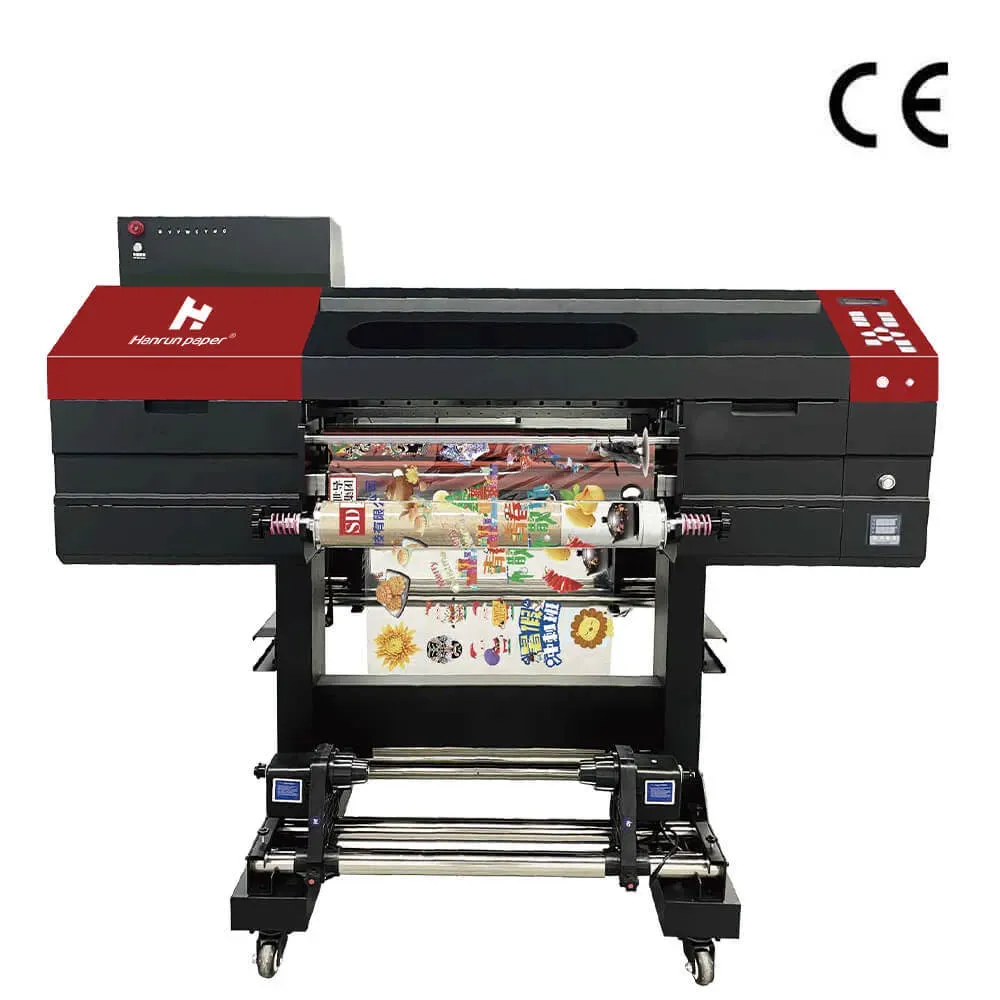
In the world of modern printing, UV DTF (Direct to Film) printing stands out as an innovative technique that blends versatility with high-quality outcomes. This cutting-edge method utilizes UV printing technology to apply vibrant inks directly onto specialized film, which can then be seamlessly transferred to various substrates. What makes UV DTF printing particularly fascinating is its ability to maintain intricate details and vivid colors, making it an essential tool for designers and printers alike. By exploring advanced print optimization techniques and the nuances of transfer printing methods, enthusiasts can unlock the full potential of this high-quality printing technique. Whether you’re producing custom apparel, promotional materials, or art prints, mastering UV DTF printing can elevate your work to new heights.
UV DTF printing, often referred to as Direct to Film printing, revolutionizes the way graphics are applied to different materials. This advanced technique leverages the capabilities of UV printing technology to create dynamic and durable prints that cater to various applications. Known for its precision and ability to bring out intricate details, this method aligns with contemporary demands for high-quality production. As you delve into transfer printing processes, you’ll discover numerous print optimization techniques that can enhance both the quality and efficiency of your printing projects. From fashion to promotional items, understanding this technique opens up a realm of possibilities in the creative landscape.
Introduction to UV DTF Printing
UV DTF (Direct to Film) printing is an innovative technique that combines the advantages of traditional UV printing with transfer printing methods, providing an effective solution for transferring high-resolution images onto various substrates. This method utilizes specially formulated UV inks that cure under ultraviolet light, ensuring both durability and vibrancy in prints. As a result, UV DTF printing is rapidly gaining popularity in industries ranging from fashion to promotional merchandise, where stunning visuals are crucial.
The appeal of UV DTF printing lies not only in its ability to produce intricate designs but also in its versatility. Printers can use this method to print directly onto materials such as textiles and plastics, offering new opportunities for creators and businesses. Understanding this technique is essential for anyone looking to make a mark in the printing industry, allowing users to explore a range of creative possibilities.
Understanding Key Equipment for UV DTF Printing
The success of a UV DTF printing project heavily depends on having the correct equipment. It is crucial to invest in a quality UV printer specifically designed for DTF applications. Look for printers that provide adjustable settings for ink flow and curing temperatures. These features are vital to achieving high-quality prints, as the right adjustments can lead to improved ink adhesion and vibrant colors.
In addition to the printer itself, consider acquiring supplementary equipment such as a reliable UV curing system. The curing unit ensures that the inks set properly and that the prints withstand wear and tear over time. Familiarizing yourself with the full range of tools available for UV DTF printing will enable better customization and efficiency in your printing processes.
Selecting the Best Materials for UV DTF Printing
Choosing the right materials is a pivotal step in mastering UV DTF printing. The transfer films you select must be compatible with UV inks to ensure optimal adhesion and print quality. There's no one-size-fits-all solution; understanding the variations in texture and type of the substrate—be it fabric or hard surfaces—is crucial for producing vibrant, long-lasting prints.
Furthermore, when opting for substrates, ensure they can endure the curing process without degrading. Different surfaces react uniquely to heat and UV exposure, so conducting tests on various materials can help identify the best combinations for your printing projects. Investing time in selecting the right materials will significantly impact the quality of your final products.
Optimal Ink Settings for Superior Print Quality
Achieving excellent results in UV DTF printing requires a thorough understanding of ink settings. Correct calibration of ink density, curing time, and print resolution is vital. These factors influence the overall vibrancy and clarity of the final print. It is advisable to perform test prints to fine-tune your printer settings specifically for each project.
By adjusting the ink flow and curing settings, you can enhance the precision of your prints and minimize inconsistencies. This attention to detail will ensure that colors pop and details remain sharp, elevating your work and helping you stand out in a competitive industry.
Mastering the Transfer Process
The transfer process is crucial in ensuring the longevity and quality of your UV DTF prints. Proper placement of the printed film onto the substrate is essential to achieving a successful transfer. It is important to adhere to specified heat and pressure guidelines based on the materials being used, whether textiles or rigid surfaces.
Utilizing a heat press or an appropriate transfer method ensures that the film bonds well to the substrate. Regular practice and possibly seeking additional training can refine your technique, enhancing the overall durability of your creations and reducing the likelihood of production errors.
The Significance of Post-Processing in UV DTF Printing
Post-processing is often an overlooked aspect of UV DTF printing, yet it can dramatically improve print longevity. After transferring the image, it is essential to allow the prints adequate time to cool and cure properly, especially if further treatments such as sealing are required. This step is fundamental in preparing the prints for a wide range of environmental conditions.
By implementing proper post-processing steps, you not only protect your prints from wear but also enhance their sustainability and overall aesthetic appeal. This additional measure can make a significant difference in how your work is received in both commercial and artistic contexts.
Frequently Asked Questions
What is UV DTF printing and how does it work?
UV DTF printing, or Direct to Film printing, utilizes UV cured inks applied to a special film that can be transferred onto various substrates. This method allows for vibrant and durable prints that maintain the clarity and integrity of intricate designs.
What are the main benefits of using UV printing technology in DTF applications?
The primary benefits of using UV printing technology in DTF applications include superior print durability, vibrant color reproduction, and the ability to print on a wide range of substrates, making it ideal for custom jobs in industries such as fashion and signage.
How can I optimize print settings for UV DTF printing?
To optimize print settings for UV DTF printing, calibrate your printer's ink density, curing time, and resolution. Conduct test prints to find the ideal settings for your specific materials, ensuring quality and consistency in your final prints.
What materials should I use for UV DTF printing?
For UV DTF printing, select transfer films that are compatible with UV inks, and choose substrates such as textiles or plastics based on your project needs. Using the right materials ensures proper adhesion and enhances print vibrancy.
How important is the curing process in UV DTF printing?
The curing process in UV DTF printing is critical as it ensures that the inks adhere properly and are resistant to wear. Implementing a reliable UV curing system with the correct distance and speed is essential for achieving high-quality, consistent prints.
What post-processing techniques should be applied after UV DTF printing?
After UV DTF printing, it's important to allow the prints to cool and cure completely. Depending on the substrate, consider additional post-processing methods such as sealing or conditioning the print to enhance durability against environmental factors.
| Key Points | Details |
|---|---|
| Introduction | UV DTF printing revolutionizes print production, ensuring high-quality and durable prints. |
| What is UV DTF Printing? | A modern technique using UV cured inks on special film, versatile for various substrates. |
| 1. Understand the Equipment | Familiarize with UV printers, adjustable settings critical for quality. |
| 2. Choose the Right Materials | Select compatible transfer films and suitable substrates for best output. |
| 3. Optimize Ink Settings | Calibrate ink density, curing time, and perform test prints. |
| 4. Print Preparation | Use vector graphics for design, check color profiles, save in compatible formats. |
| 5. Curing Process | A proper curing system ensures ink adhesion and durability. |
| 6. Transfer Technique | Place printed film accurately on substrate, apply pressure and heat as needed. |
| 7. Post-Processing | Allow prints to cool; may include sealing to enhance durability. |
| Recent Developments | Keep up with advancements in technology and engage with communities. |
Summary
UV DTF printing marks a significant advancement in the printing industry, introducing methods that ensure high-quality and vibrant results. By deconstructing the process into manageable steps, it becomes accessible for both beginners and seasoned professionals. From selecting the right equipment and materials to understanding the curing process and post-processing techniques, mastering UV DTF printing not only elevates the quality of prints but also opens new opportunities for creative expression. Embrace this printing technology to enhance your projects and stand out in the competitive market.