
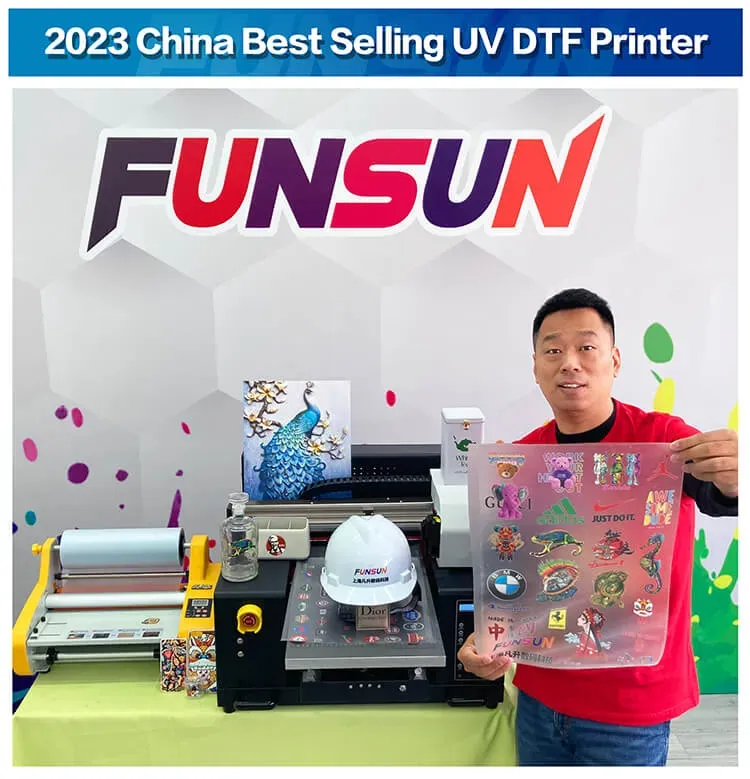
UV DTF printing, short for Direct to Film printing, is rapidly reshaping the landscape of digital printing with its innovative blend of UV printer technology and contemporary digital methods. This advanced technique allows for stunning, high-quality prints on a variety of surfaces, such as textiles and metals, providing businesses with unparalleled versatility. As eco-friendly printing options gain traction, UV DTF stands out for its sustainable practices, minimizing waste while delivering vibrant results. Following the advancements highlighted by industry leaders like Mimaki and accessible printers such as the Anker eufyMake, this technology is diving into mainstream markets, catering to both small businesses and creative individuals alike. The merging of quality efficiency and environmental responsibility positions UV DTF printing as a pivotal movement in the future of printing technology.
Direct to Film printing using ultraviolet techniques is revolutionizing how we approach digital printing, offering a seamless integration of precision and sustainability. This state-of-the-art process, often referred to as Eco-Friendly Printing, caters to a range of materials, enhancing creativity while minimizing the environmental footprint. Moreover, advancements in UV Printer Technology enable artists and businesses to achieve intricate designs with exceptional clarity. The popularity of innovative solutions, like the Anker eufyMake Printer, bridges the gap between professional-grade features and accessibility for hobbyists. As this trend continues, it's clear that the future of digital printing not only focuses on aesthetic appeal but also prioritizes ecological responsibility.
What is UV DTF Printing?
UV DTF printing, or Direct to Film printing, represents a significant shift in modern digital printing techniques by integrating the advantages of traditional UV printing with advanced digital processes. At its core, UV DTF utilizes UV-curable inks that are applied to a transfer film, which is then cured with ultraviolet light to create vibrant, durable designs. This method allows for high-quality outputs on various surfaces, including textiles, plastics, and metals, thus broadening the applicability of digital printing in multiple sectors.
The essence of UV DTF lies in its versatility and efficiency. Users can produce intricate designs with vivid colors and sharp details, which makes it particularly attractive for industries such as fashion and home décor. The strength of UV inks is another advantage, as they are known for their resistance to fading, scratching, and other environmental factors. As a result, UV DTF printing has emerged as a preferred choice for applications demanding both aesthetic appeal and durability.
Frequently Asked Questions
What are the key advantages of UV DTF printing over traditional methods?
UV DTF printing offers several key advantages over traditional printing methods. It produces high-quality outputs with vibrant colors and sharp details, ensuring that intricate designs and bold graphics stand out. Additionally, the UV inks used are durable and resistant to fading, making them suitable for both indoor and outdoor applications. Moreover, UV DTF printing is versatile, allowing it to be applied on various materials such as fabrics, plastics, and metals, which broadens its usability across industries.
How does the Anker eufyMake UV Printer E1 enhance UV DTF printing capabilities?
The Anker eufyMake UV Printer E1 significantly enhances UV DTF printing capabilities by providing a compact and user-friendly design suitable for both hobbyists and small business owners. Launched in April 2025, this printer allows users to create high-quality prints on multiple surfaces, including mugs and tiles, at an affordable price. Its advanced features enable the production of complex textures and custom designs, making UV DTF technology more accessible to a wider audience.
Is UV DTF printing eco-friendly, and how does it minimize waste?
Yes, UV DTF printing is considered eco-friendly as it aligns with modern sustainable practices. This printing method uses less ink and operates efficiently, thereby minimizing waste and reducing the ecological impacts often associated with traditional manufacturing processes. Companies utilizing UV DTF technology, like DTF San Antonio, have adopted sustainable practices that cater to eco-conscious consumers, enhancing the market's appeal through environmentally responsible solutions.
What recent innovations in UV DTF technology were showcased at PacPrint 2025?
At PacPrint 2025, several groundbreaking innovations in UV DTF technology were revealed, particularly by companies like Mimaki. These advancements highlight a commitment to enhancing both efficiency and quality in digital printing solutions. The new technologies showcased indicate a trend towards integrating advanced features that cater to the aesthetic and functional needs of consumers, further elevating the quality and versatility of UV DTF printing applications.
What materials can be printed on using UV DTF technology?
UV DTF technology can be applied to a wide range of materials, making it a versatile choice for various industries. It is capable of producing high-quality prints on fabrics, plastics, metals, ceramics, and more. This versatility enables businesses to explore diverse applications, from clothing and promotional merchandise to custom home décor, expanding the potential for creative and impactful designs.
How does UV printer technology differ from traditional digital printing methods?
UV printer technology, particularly in the context of UV DTF printing, differs from traditional digital printing methods mainly in the curing process. While traditional methods often rely on solvent inks that require drying times, UV printers use UV curable inks that are instantly cured with ultraviolet light. This results in vibrant, durable prints that are ready for use immediately, significantly improving efficiency and reducing turnaround times in production.
| Key Point | Description |
|---|---|
| Introduction to UV DTF | UV DTF combines traditional UV printing with digital methods to create vibrant prints on diverse materials. |
| Recent Developments | The launch of Anker's eufyMake UV Printer E1 has made UV DTF printing more accessible for small businesses and hobbyists. |
| Eco-Friendly Practices | UV DTF minimizes waste and uses less ink, appealing to environmentally conscious consumers. |
| Industry Innovations | New technologies introduced at events like PacPrint 2025 enhance UV printing efficiency and quality. |
| Benefits of UV DTF | Includes high-quality output, durability, versatility, efficiency, and sustainability. |
Summary
UV DTF printing is revolutionizing the digital printing landscape with its innovative approach and numerous benefits. As a cutting-edge technique that blends UV printing with digital methods, UV DTF is quickly becoming the go-to choice for producing vibrant and long-lasting prints across various materials such as fabrics and plastics. With advancements like Anker's eufyMake UV Printer E1 making this technology more accessible to small businesses and hobbyists, the market is embracing personalization and sustainability. Furthermore, the industry's ongoing innovations and a commitment to eco-friendly practices position UV DTF not only as a technological marvel but also as a responsible choice for the environmentally-conscious consumer. As this printing method continues to evolve, we can expect its popularity and impact to grow, pushing the boundaries of creativity and customization in digital printing.