
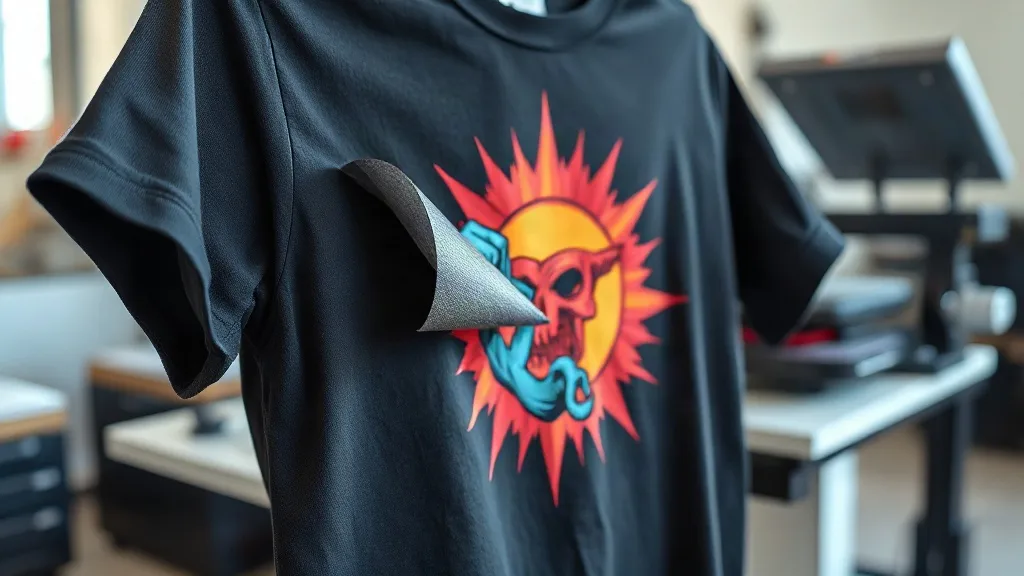
If you've been exploring custom apparel printing, you've likely come across dtf transfers. This innovative technology is changing the way we think about fabric printing, offering vibrant colors and durability that rival traditional methods. In this guide, we'll walk you through everything you need to know about DTF transfers, from the basics to practical tips for getting started.
What Are DTF Transfers?
DTF stands for Direct to Film. It's a printing method where your design is printed onto a special film, then coated with a powder adhesive and heat-pressed onto fabric. Unlike DTG (Direct to Garment) printing, which requires specialized printers and is often limited to cotton, DTF works on a wide range of materials, including polyester, blends, and even dark colors. The process involves printing with water-based inks onto a PET film, applying a thermoplastic polyurethane (TPU) powder while the ink is still wet, and then curing the powder. The result is a transfer that can be stored and used whenever needed.
How DTF Transfers Work: Step by Step
Understanding the DTF process helps you appreciate its versatility and make informed decisions. Here's a breakdown of the steps involved:
- Design Preparation: Create your artwork using graphic design software. Ensure it's mirrored (flipped horizontally) because the film will be pressed face-down onto the fabric.
- Printing: Using a DTF printer, the design is printed onto a sheet of film. The printer lays down a layer of white ink first (for opacity on dark fabrics) followed by color inks.
- Powder Application: While the ink is still wet, TPU powder is sprinkled evenly over the design. The powder sticks to the wet ink.
- Curing: The film is then heated to melt the powder, creating a strong adhesive bond. This can be done with a heat press or a curing oven.
- Transfer: Once cooled, the transfer is ready to be applied. Place it on the fabric, cover with a Teflon sheet or parchment paper, and press with a heat press at around 160°C (320°F) for 10-15 seconds.
- Peel: After pressing, peel the film off while it's still warm (or cold, depending on the film type). The design remains on the fabric.
This process might seem intricate, but once you get the hang of it, DTF becomes a fast and efficient way to produce high-quality prints.
Why Choose DTF Transfers?
DTF has gained popularity for several compelling reasons. Here are some key benefits:
- Versatility: Works on almost any fabric, including cotton, polyester, silk, and blends. It's also suitable for dark and light colors.
- Durability: The prints are resistant to cracking, peeling, and fading, even after multiple washes.
- Vibrant Colors: DTF printers can produce high-resolution, full-color designs with fine details.
- Cost-Effective for Small Runs: No need for screens or plates, making it ideal for one-off designs or small batches.
- Soft Hand Feel: The TPU powder creates a flexible, soft print that doesn't feel rubbery.
Whether you're a hobbyist or a small business owner, DTF offers a low-barrier entry into custom apparel printing.
DTF vs. Other Printing Methods
To truly appreciate DTF, it helps to compare it with other common printing techniques.
DTF vs. DTG
DTG printing is excellent for cotton fabrics and produces soft, breathable prints. However, DTG requires pre-treatment and is less effective on synthetic fabrics. DTF, on the other hand, works on a wider range of materials and doesn't require pre-treatment, making it more versatile.
DTF vs. Screen Printing
Screen printing is cost-effective for large orders but involves setup costs and is impractical for small batches or complex designs. DTF shines in short runs and detailed artwork, with no minimum order quantity.
DTF vs. Vinyl
Heat transfer vinyl (HTV) is great for simple designs but limited in color and detail. DTF can reproduce photographic images and gradients with ease, offering superior quality for intricate designs.
Getting Started with DTF: What You Need
If you're ready to dive into DTF printing, here's a list of essential equipment and supplies:
- DTF Printer: A specialized printer that uses DTF inks. Prices vary, but entry-level models are available.
- DTF Film: Available in sheets or rolls. Choose film compatible with your printer.
- TPU Powder: Adhesive powder that binds the ink to the fabric. Available in different particle sizes.
- Heat Press: A reliable heat press is crucial for curing and transferring. A clamshell or swing-away press works well.
- Design Software: Any graphic design software like Adobe Illustrator or Photoshop, or free alternatives like Inkscape.
- Curing Oven (optional): For larger operations, a curing oven speeds up the powder melting process.
When sourcing supplies, look for reputable suppliers. For high-quality dtf materials, check out trusted vendors online.
Tips for Successful DTF Transfers
To ensure your DTF prints come out perfect every time, keep these tips in mind:
- Mirror Your Design: Always flip your artwork horizontally before printing.
- Control Moisture: Fabric should be dry before pressing. Pre-press for a few seconds to remove moisture.
- Even Powder Application: Shake powder evenly and shake off excess to avoid clumps.
- Proper Curing: Follow the powder manufacturer's instructions for temperature and time.
- Test Press: Always do a test press on scrap fabric to fine-tune settings.
- Storage: Store unused transfers in a cool, dry place away from direct sunlight.
These small details can make a big difference in the quality and longevity of your prints.
Finding DTF Transfers Near You
If you're not ready to invest in a printer, you can order custom DTF transfers from online services. When searching for dtf transfers near me, consider factors like turnaround time, shipping costs, and reviews. Many suppliers offer small minimums, making it easy to test the waters. For those in the US, highdtf.com is a reliable source for quality DTF supplies and transfers.
Frequently Asked Questions
How long do DTF transfers last?
With proper application and care, DTF prints can last as long as the garment itself. They withstand 50+ washes without significant fading or cracking.
Can I use DTF on 100% polyester?
Yes, DTF works excellently on polyester and polyester blends. In fact, it often adheres better to synthetics than DTG.
Do I need a special printer for DTF?
Yes, DTF requires a dedicated DTF printer that uses DTF inks and can handle film. However, you can also buy pre-printed transfers from suppliers.
What is the best temperature for DTF transfer?
Typically, 160°C (320°F) for 10-15 seconds is recommended, but always check the film and powder specifications for exact settings.
DTF transfers are a versatile and durable printing solution that's accessible to both beginners and professionals. With the right knowledge and tools, you can create stunning custom apparel that stands the test of time. Explore the possibilities and see why DTF is taking the printing world by storm.