
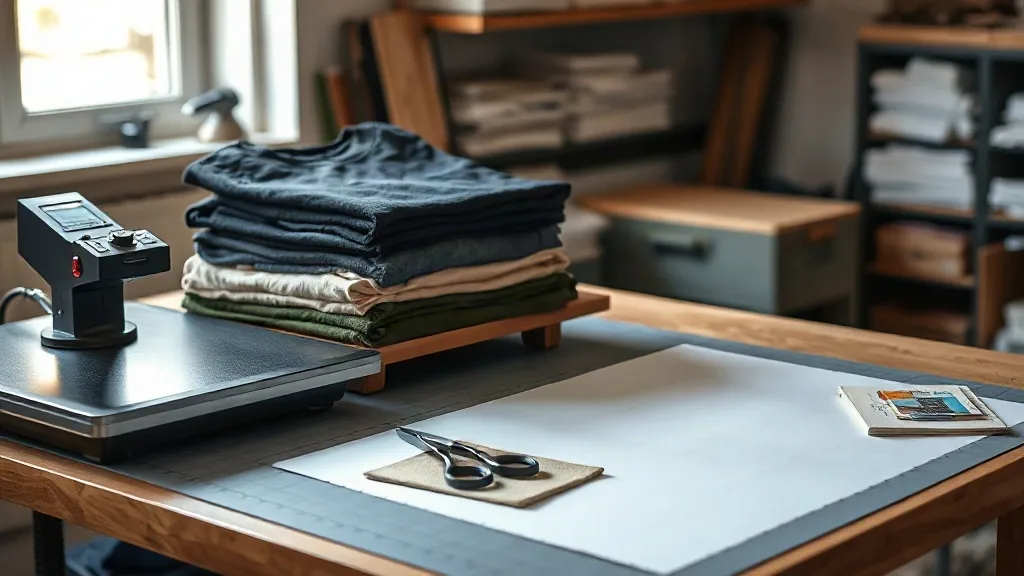
Walk into any print shop that handles streetwear orders and you will eventually spot a stack of shaka wear tees near the heat press. The brand has quietly built a following among decorators who care about two things: a blank that feels substantial in the hand and a surface that behaves predictably under a transfer. If you have been burning through lightweight blanks that pill, shrink, or swallow detail, this is a category worth understanding before your next order.
What follows is not a catalog walkthrough. It is a working look at how these garments behave with direct-to-film, where they fit in a shop's lineup, and how to plan a print run so the fabric and the transfer method actually support each other instead of fighting.
Why Heavyweight Blanks Changed the DTF Conversation
Direct-to-film transfers are only as good as the garment underneath them. A 4 oz jersey will accept a transfer, but the print sits on a thin surface that stretches with every wear, and fine halftones tend to crack along fold lines within a few washes. Heavier cotton gives the adhesive a more stable foundation. The fabric moves less, the hand feel of the print stays closer to what you designed, and the overall garment reads as premium to the customer.
Shaka Wear built its reputation on that heavier end of the spectrum. Their core tees typically land in the 6 to 7 oz range with a boxy, modern cut that suits streetwear, team gear, and merch drops. For a decorator, the practical benefit is simple: fewer complaints, fewer reprints, and a finished product that justifies a higher price point.
Fabric Weight and Print Durability
Weight is not just about how a shirt feels. A denser knit has less open space between yarns, which means the DTF adhesive film bonds to a more consistent surface. On very light, loosely knit blanks, powder and adhesive can settle unevenly, and you will sometimes see a faint texture telegraphing through large solid areas. On a heavier ring-spun cotton, that problem largely disappears.
There is a limit, though. Extremely heavy fleece or tightly woven canvas can be harder to press evenly if your platen does not support the thickness. Shaka's mid-heavy jersey hits a useful middle ground where the press clamps down cleanly and the transfer releases without ghosting.
Color and Wash Considerations
Dark garments remain the most demanding test for any transfer. Black and navy tees hide the faint white edge that occasionally shows on a poorly trimmed film, but they also expose any adhesive residue left on the surface. Shaka's darker dyes tend to be consistent across sizes, which matters when you are running a 50-piece order and cannot afford shade variation between the front and back print batches.
Wash testing is worth doing yourself rather than trusting a spec sheet. Print a sample, run it through five home wash cycles inside out, and check the edges. Most quality heavyweight blanks paired with a properly cured transfer will hold up well past that point.
Matching the Garment to the Transfer Method
Not every Shaka style suits every job. The boxy heavyweight tee is the obvious choice for oversized streetwear graphics, while their lighter options work better for layered designs or anything meant to drape. Before you commit to a bulk order, think through what the print actually needs.
- Large solid graphics: go heavier. A 6.5 oz or above blank keeps the print flat and reduces the wrinkling that shows through big color blocks.
- Fine detail and small type: a smoother, tighter knit surface helps the film release cleanly and preserves thin lines.
- All-over or oversized placement: confirm the garment's seam structure. Side-seamed tees handle large prints with less distortion than tubular construction.
- Stretch and athletic cuts: test elongation before promising a customer the print will not crack at the shoulder.
A quick press test on a scrap piece from the same dye lot saves hours of rework later. It also gives you a real sample to show clients instead of a photo.
Pressing Settings That Actually Work
Most DTF film manufacturers publish a temperature range, and it is usually a starting point rather than a final answer. Heavier cotton absorbs and holds heat differently than a thin poly blend, so you may need a slightly longer dwell to get full adhesion without over-pressing the film.
A workable approach: pre-press the garment for a few seconds to remove moisture, apply the transfer at the film maker's recommended temperature, peel while warm or cold according to the film type, then do a short second press with a cover sheet. That final press is where a lot of shops skip steps and end up with edges that lift after the first wash.
Cutting Cost Per Print With Gangsheets
Here is where the economics of a print run get interesting. If you are printing one design at a time on roll film, you are paying for a lot of empty space. Grouping multiple designs onto a single sheet changes the math significantly, especially on smaller orders where setup time eats into margin.
A DTF Gangsheet Builder lets you lay out several jobs on one film, nest them tightly, and send a single file to print. For a shop running Shaka tees in mixed sizes and designs, that means one press session can cover a whole week of small orders. The savings come from three places: less wasted film, fewer setup cycles, and less labor spent babysitting the printer between jobs.
Planning a Gangsheet Around Garment Sizes
The layout decision is not purely about packing density. Think about how the prints will be pulled and pressed. If a gangsheet mixes a large back print with a batch of small chest logos, group them so the cutting and sorting flow makes sense at the press. Labeling each cluster in your file helps whoever is running the heat press avoid mismatches.
- List every design and size needed for the run.
- Group by garment color so you can press in batches.
- Nest smaller elements into the gaps left by large prints.
- Leave a small margin around each piece for clean trimming.
- Export at the resolution your printer expects and check the file before sending.
Shops that adopt this habit often find they can accept smaller orders that previously were not worth the setup. That flexibility matters when you are competing for custom work against larger operations.
Where Shaka Wear Fits in a Shop's Lineup
No single blank covers every job. A shop that only stocks heavyweight tees will struggle with clients who want a soft, fitted look. The smarter play is a small, deliberate range: one premium heavyweight option for statement pieces, one midweight for everyday merch, and one budget-friendly style for giveaways and large-volume orders.
Shaka Wear slots naturally into the premium tier. Their cuts lean contemporary, which appeals to the streetwear and skate-adjacent customers who tend to order in smaller batches but expect a higher finish. Pairing that with a well-organized DTF workflow gives you a product that looks custom-made rather than mass-produced.
One practical note: keep a size run of each style you stock. Clients frequently want to feel the blank before committing to a bulk order, and a physical sample closes more deals than any digital mockup.
Common Questions From Printers
Do Shaka Wear tees work well with DTF transfers?
Yes, particularly the heavier cotton styles. The denser knit gives the adhesive a stable surface, and the print holds detail well across washes when the transfer is cured properly. Lighter styles still work but benefit from a gentler press and more careful wash testing.
What weight is best for large back prints?
Aim for 6 oz or heavier. Thicker fabric resists the wrinkling and stretching that can distort a big graphic, and the print sits flatter through the life of the garment.
How does a gangsheet lower my cost per print?
It reduces wasted film and setup time by combining multiple designs on one sheet. Instead of running several small jobs separately, you print once, cut the pieces apart, and press them in a single session. The savings grow as order sizes get smaller.
Can I mix different garment colors on the same gangsheet?
You can, since the film itself is the same. The practical limit is at the press: grouping prints by garment color keeps the workflow organized and reduces the chance of pressing the wrong design onto the wrong shirt.
How many washes should I test before selling?
Run at least five cycles inside out with a normal detergent. Check the edges and any fine detail. If the print still looks clean at that point, it will generally hold up well in real use.