
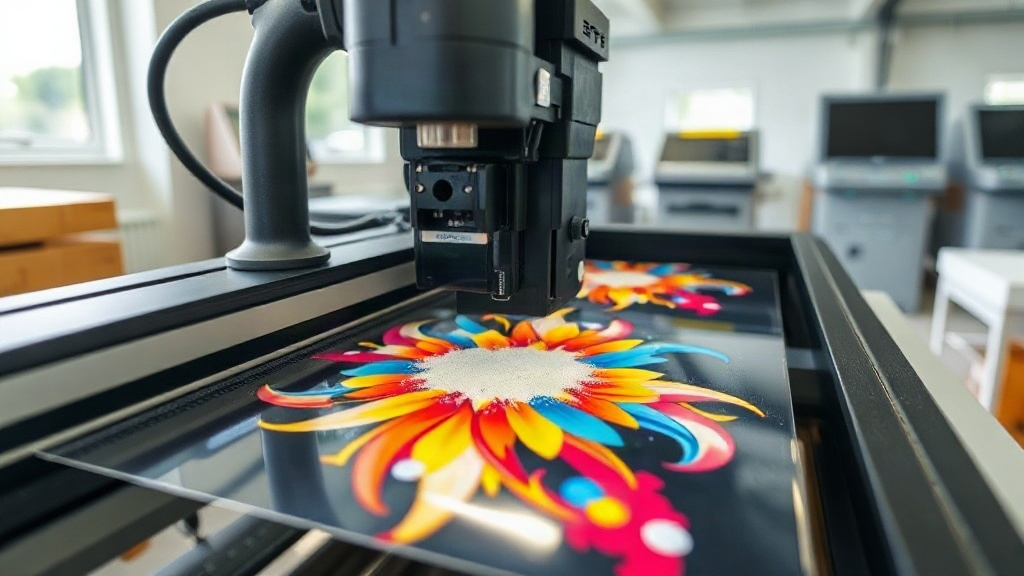
If you've been in the custom apparel game for even a short time, you've likely heard the buzz around DTF printing. It's not just another trend; it's a genuine shift in how we decorate garments, offering a level of versatility and vibrancy that traditional methods sometimes struggle to match. Whether you're a seasoned screen printer looking to expand your offerings or a hobbyist wanting to create professional-grade custom tees, understanding DTF printing is essential. In this guide, we'll dive deep into what DTF is, how it works, and why it might just become your new favorite decoration method.
What Exactly is DTF Printing?
DTF stands for Direct to Film. At its core, it's a printing process where your design is printed onto a special film, coated with a powder adhesive, and then heat-pressed onto a garment. Unlike DTG (Direct to Garment) which prints directly onto the fabric, DTF uses a transfer film as an intermediary. This might sound like a small distinction, but it opens up a world of possibilities. You can print on virtually any fabric: cotton, polyester, blends, nylon, leather, and even some treated synthetics. The design is first printed onto a PET film using specialized DTF inks (typically CMYK plus white). Then, a thermoplastic polyurethane (TPU) powder is applied to the wet ink. After shaking off the excess powder, the film is cured, and the design is ready to be transferred. When you're ready to apply it, you simply heat press the film onto the garment, let it cool, and peel away the film. The result is a soft, stretchable, and durable print that feels like it's part of the fabric.
Why DTF is Gaining Massive Popularity
The rise of DTF isn't accidental. It solves several pain points that have plagued decorators for years. Let's break down the key advantages.
No Pretreatment Required
With DTG printing, you often need to pretreat the garment to ensure the ink bonds properly, especially on dark colors. This adds an extra step, costs money, and can sometimes leave a visible residue. DTF eliminates pretreatment entirely. The adhesive powder does the bonding work, so you can skip straight to pressing. This saves time, reduces supply costs, and simplifies your workflow.
Works on Almost Any Fabric
Have you ever tried to print on a 50/50 blend or a 100% polyester jersey with DTG? The results can be less than stellar. DTF thrives on these fabrics. Because the transfer sits on top of the fabric rather than being absorbed into it, you get consistent, vibrant colors regardless of the material. This makes DTF a go-to for sports uniforms, performance wear, and fashion apparel made from synthetic fibers.
Unmatched Durability and Stretch
The TPU powder used in DTF creates a strong, flexible bond. Prints withstand repeated washing without cracking, fading, or peeling. Plus, because the transfer is stretchable, it moves with the fabric. This is crucial for activewear where the garment needs to flex and stretch without the print breaking apart.
Cost-Effective for Small to Medium Runs
Screen printing requires separate screens for each color, making small runs expensive. DTF shines for short runs because there are no setup fees or minimums. You can print one shirt or one hundred with the same ease. The cost per print is consistent, making it a profitable option for on-demand and custom orders.
How Does the DTF Process Work Step by Step?
Understanding the workflow helps you appreciate the magic. Here's a breakdown of the DTF printing process from start to finish.
- Design Preparation: Your artwork is prepared in a RIP (Raster Image Processor) software. This step is critical because it separates the white ink layer from the color layers. The white layer acts as a base, allowing the colors to pop on dark garments.
- Printing: The design is printed onto a special PET film. The printer lays down the white ink first, followed by the CMYK colors. The wet ink sits on the film, waiting for the next step.
- Powder Application: The printed film is then coated with a fine TPU powder. The powder sticks only to the wet ink. You gently shake off the excess, ensuring an even coating.
- Curing: The film is placed in a curing oven or under a heat source to melt the powder. This creates a smooth, adhesive layer that will bond to the fabric.
- Transfer: Once cured, the film is ready to use. You place it on the garment and apply heat and pressure with a heat press. The adhesive melts, bonding the design to the fabric.
- Peeling: After pressing, you wait for the transfer to cool (or peel while hot, depending on the film type). The film is peeled away, leaving the vibrant design behind.
Each step requires attention to detail, but with practice, the process becomes second nature. The key is using quality supplies and maintaining consistent temperature and pressure.
DTF vs. Other Printing Methods
How does DTF stack up against DTG, screen printing, and vinyl? Let's compare.
- DTF vs. DTG: DTG is great for 100% cotton and offers a soft hand, but it requires pretreatment and struggles on synthetics. DTF works on almost any fabric, no pretreatment, and offers more vibrant colors on dark garments. However, DTG can be faster for large runs on cotton.
- DTF vs. Screen Printing: Screen printing is the king of long runs, offering unmatched durability and cost efficiency at high volumes. But it's impractical for small orders due to setup costs. DTF is perfect for small to medium runs and complex designs with gradients and fine details.
- DTF vs. Vinyl: Heat transfer vinyl (HTV) is great for simple one-color designs and names/numbers. But for multi-color, photographic designs, DTF is far superior. HTV also requires weeding, which is time-consuming. DTF requires no weeding.
Each method has its place, but DTF fills a gap that others can't, making it a versatile addition to any decorator's arsenal.
Getting Started with DTF: What You Need
Ready to dive into DTF printing? Here's a checklist of essentials.
- DTF Printer: You can buy a dedicated DTF printer or convert an existing DTG printer with a DTF kit. Dedicated printers are optimized for the process.
- DTF Inks: High-quality DTF inks are crucial for vibrant colors and durability. Look for inks that are compatible with your printer.
- PET Film: This special film holds the ink and powder. It comes in rolls or sheets. Choose a film that matches your printer and desired finish.
- TPU Powder: The adhesive powder is what makes the transfer bond. It comes in different particle sizes; finer powder is better for detailed designs.
- Heat Press: A reliable heat press with consistent temperature and pressure is a must. You'll need to press at around 300-320°F for 10-15 seconds.
- Curing Oven or Heat Gun: To melt the powder, you need a way to cure the film. A dedicated curing oven is ideal, but a heat gun can work for small batches.
- RIP Software: This software manages color separation and white ink layering. It's essential for proper printing.
Starting costs can be significant, but if you're serious about offering DTF, the investment pays off. Alternatively, you can buy pre-made DTF transfers from suppliers, which eliminates the need for printers and powder.
Tips for Perfect DTF Transfers
Even with the right equipment, achieving flawless DTF transfers requires practice. Here are some expert tips.
- Maintain Consistent Temperature and Pressure: Fluctuations can cause poor adhesion or scorching. Use a heat press with digital controls and check with a temperature gun.
- Choose the Right Film: Different films have different peel types (hot, cold, warm). Follow the manufacturer's recommendations for best results.
- Control Powder Application: Too much powder leads to a thick, plastic feel; too little causes poor adhesion. Shake off excess gently and evenly.
- Cure Properly: Under-curing means the powder won't melt fully, leading to wash-off. Over-curing can cause the film to become brittle. Follow the ink and powder specs.
- Store Transfers Correctly: Keep unused transfers in a cool, dry place away from direct sunlight to prevent premature curing.
- Test on Scrap Fabric: Always test your settings on a scrap piece of the same fabric before pressing the final garment.
These small details make a big difference in the final quality.
Common DTF Problems and How to Fix Them
Even pros run into issues. Here's how to troubleshoot common DTF problems.
- Peeling or Cracking After Wash: Usually due to under-curing or insufficient pressure. Increase curing time or pressure.
- Dull Colors: Could be from too little white ink or incorrect color profiles. Check your RIP settings and white ink density.
- Powder Not Sticking: The ink might be too dry before powder application. Ensure you apply powder immediately after printing.
- Transfer Not Adhering: Might be due to low temperature, short press time, or incompatible fabric. Adjust settings and test.
- Film Sticking to Garment: Usually happens if you peel too soon or too late. Follow the recommended peel type for your film.
With a bit of experimentation, you'll nail down the right parameters for your setup.
Frequently Asked Questions About DTF Printing
How long do DTF prints last?
When properly applied, DTF prints can last as long as the garment itself. They withstand dozens of washes without fading or cracking. Following correct pressing and curing guidelines ensures maximum durability.
Can I use DTF on 100% polyester?
Absolutely. DTF is one of the best methods for polyester because it doesn't require the fabric to absorb ink. The transfer bonds to the surface, so it works great on polyester, blends, and even nylon.
Do I need a special printer for DTF?
You can buy a dedicated DTF printer, or you can convert a DTG printer with a DTF conversion kit. Some people also use modified inkjet printers, but dedicated machines are more reliable for production.
Is DTF printing profitable?
Yes, especially for small to medium orders. The cost per print is low, and there's no minimum order. You can charge a premium for custom apparel, making DTF a profitable venture.
What fabrics should I avoid with DTF?
While DTF works on most fabrics, it may not adhere well to highly textured fabrics like ribbed knits or fabrics with a heavy silicone coating. Always test on a sample first.
Final Thoughts
DTF printing is a game-changer for the custom apparel industry. Its versatility, durability, and ease of use make it an attractive option for businesses and hobbyists alike. Whether you're looking to expand your services or start a new venture, mastering DTF can set you apart. Remember, quality supplies and attention to detail are key to success. So, dive in, experiment, and watch your creations come to life with vibrant, long-lasting DTF transfers.