
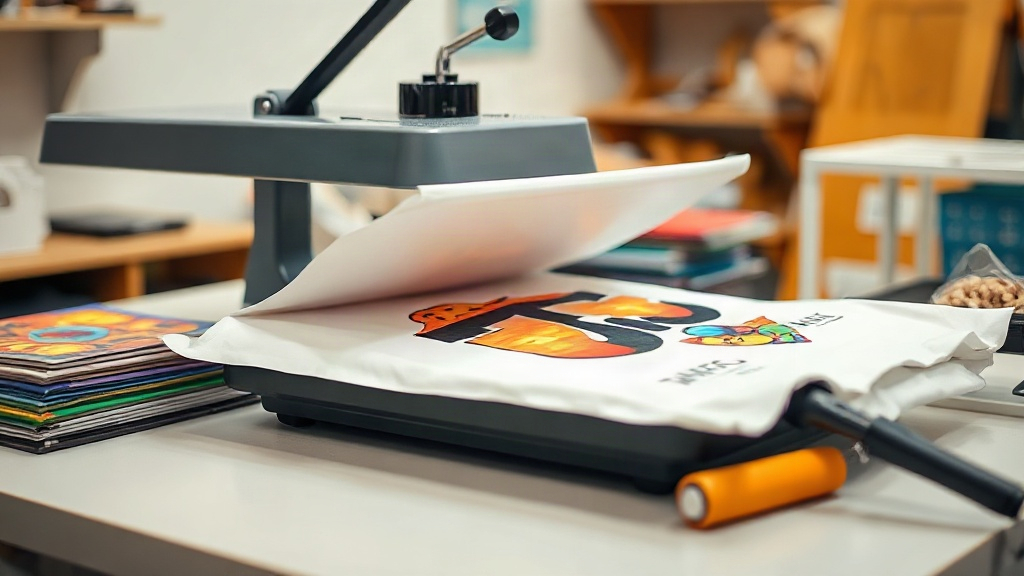
Imagine pressing a vibrant, full-color design onto a cotton t-shirt in under a minute, with no weeding, no masking, and no color limitations. That's the promise of DTF Transfers, a technology that has rapidly become a favorite among custom apparel creators. Whether you're a hobbyist or a small business owner, understanding DTF transfers can open up a world of possibilities for your designs. In this guide, I'll walk you through what DTF transfers are, why they've gained such a following, and exactly how to apply them for professional-looking results.
What Are DTF Transfers?
DTF stands for Direct to Film. It's a printing method where your design is printed onto a special PET film using water-based inks, then coated with a hot-melt adhesive powder. Once the powder is cured, the transfer is ready to be applied to fabric using a heat press. Unlike DTG (Direct to Garment) or screen printing, DTF transfers are produced separately from the garment, which means you can print a batch of transfers and apply them to various items whenever you need. This flexibility is a game-changer for small businesses that want to offer custom products without investing in expensive equipment.
Why Choose DTF Transfers?
There are several compelling reasons why DTF transfers have become so popular. Let's break down the key benefits:
- No color limits: DTF printers use CMYK plus white ink, so you can print photorealistic images, gradients, and fine details without worrying about color separation.
- Works on many fabrics: From cotton and polyester to blends, leather, and even nylon, DTF transfers adhere well to a wide range of materials. This versatility is unmatched by many other printing methods.
- Durability: When applied correctly, DTF prints are stretchable and resistant to cracking, peeling, and fading. They can withstand dozens of washes without losing their vibrancy.
- Cost-effective for small runs: Unlike screen printing, which requires separate screens for each color, DTF transfers are economical for short runs and one-off designs.
- No pre-treatment: Some methods like DTG require pre-treating the garment. DTF transfers don't need any special preparation beyond a clean, lint-free surface.
How to Apply DTF Transfers: Step by Step
Applying DTF transfers is straightforward, but following the right steps ensures a professional finish. Here's my tried-and-true process:
1. Gather Your Supplies
You'll need a heat press (or a home iron as a last resort), your DTF transfer, the garment, and a protective sheet (like parchment paper or a Teflon sheet). A lint roller is also handy to remove any debris from the fabric.
2. Prepare the Garment
Pre-press the garment for a few seconds to remove moisture and wrinkles. This step is crucial because any moisture can interfere with adhesion. Set your heat press to the recommended temperature, typically around 325°F (160°C) for DTF transfers. Always check the instructions that come with your transfers, as temperatures can vary slightly.
3. Position the Transfer
Place the DTF transfer on the garment with the printed side facing up. The adhesive side should be against the fabric. If you're unsure, the film usually has a matte side (the print) and a glossy side (the carrier). The glossy side goes up.
4. Press the Transfer
Cover the transfer with your protective sheet. Apply medium to firm pressure for about 10-15 seconds. Don't move the press during this time. For best results, use a heat press rather than an iron, as consistent pressure and temperature are key.
5. Peel the Film
After pressing, allow the transfer to cool completely before peeling. This is a "cold peel" process. Slowly peel the film starting from one corner. If the design lifts with the film, press again for a few more seconds. Once peeled, you'll see your vibrant design perfectly adhered to the fabric.
6. Post-Press for Durability
For added durability, cover the design with the protective sheet again and press for another 5-10 seconds. This step helps the adhesive fully bond with the fibers.
Common Mistakes to Avoid
Even with a simple process, a few missteps can ruin your transfer. Here are the most common pitfalls and how to avoid them:
- Insufficient pressure: If the transfer doesn't adhere evenly, increase the pressure. Uneven pressure can cause parts of the design to peel off later.
- Wrong temperature: Too hot and the film may shrink or the ink may scorch; too cold and the adhesive won't activate. Always follow the transfer supplier's recommendations.
- Peeling too soon: Patience is key. Peeling while hot can stretch the design and leave residue.
- Not pre-pressing: Skipping the pre-press can trap moisture, leading to poor adhesion.
DTF Transfers vs. Other Printing Methods
How does DTF stack up against other popular techniques? Here's a quick comparison:
- DTF vs. DTG: DTG requires pre-treatment and works best on 100% cotton. DTF works on almost any fabric and doesn't need pre-treatment. DTF also produces more vibrant colors on dark garments.
- DTF vs. Screen Printing: Screen printing is cost-effective for large orders but requires setup for each color. DTF is better for small batches and complex designs.
- DTF vs. Vinyl: Vinyl is limited to one color per layer and requires weeding. DTF allows full-color designs with no weeding.
Frequently Asked Questions
How long do DTF transfers last?
With proper application and care, DTF transfers can last as long as the garment itself. They typically withstand 50+ washes without significant fading or cracking. To maximize longevity, wash the garment inside out in cold water and avoid using bleach or fabric softeners.
Can I use DTF transfers on dark colors?
Absolutely! DTF transfers include a white ink layer that makes colors pop on dark fabrics. This is one of the main advantages over DTG, which may require a white underbase that can feel thick.
Do I need a special printer for DTF transfers?
Yes, DTF transfers require a dedicated DTF printer that uses water-based inks and a powder shaker. However, if you don't want to invest in a printer, you can buy pre-printed transfers from suppliers and apply them with a heat press.
What fabrics work best with DTF transfers?
DTF transfers work well on cotton, polyester, cotton-poly blends, and even some synthetic materials like nylon and leather. They are not recommended for fabrics with a heavy texture or coating, as adhesion may be compromised.
How do I store unused DTF transfers?
Store them in a cool, dry place away from direct sunlight. Keep them flat to prevent curling. Properly stored, they can last for several months.
DTF transfers have revolutionized custom apparel by making high-quality, full-color printing accessible to everyone. With a bit of practice, you'll be able to create stunning, durable designs on a wide range of garments. So why not give it a try? Your next project could be your best one yet.