
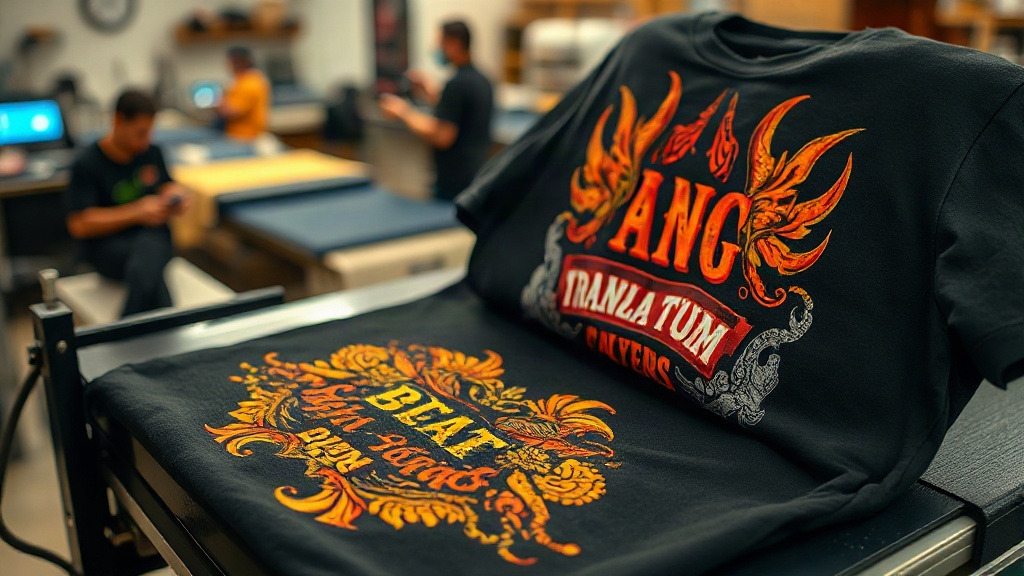
When it comes to custom apparel, the printing method you choose can make or break your designs. If you're tired of limitations like color restrictions, fabric compatibility, and durability issues, DTF transfers might be the solution you've been searching for. Unlike traditional methods, DTF (Direct to Film) printing offers unparalleled versatility and vibrant results that can take your brand to the next level. In this guide, I'll share my firsthand experience with DTF transfers, from the printing process to the final product, so you can decide if this technology is right for your business.
What Are DTF Transfers?
DTF transfers are a relatively new printing technique that involves printing a design onto a special film, coating it with adhesive powder, and then transferring it onto fabric using a heat press. The process is straightforward: you print your design onto a PET film using specialized DTF inks, apply a thermoplastic powder while the ink is still wet, cure the powder, and then press the film onto your garment. The result is a soft, stretchable print that adheres to a wide range of fabrics, including cotton, polyester, blends, and even nylon.
Why Choose DTF Transfers Over Other Methods?
If you've worked with screen printing or DTG (Direct to Garment), you know their limitations. Screen printing requires separate screens for each color, making multi-color designs expensive and time-consuming. DTG works well on cotton but struggles with polyester and dark fabrics. DTF transfers solve these problems. They allow for full-color, photographic-quality prints without color limitations. Plus, they work on almost any fabric, including those tricky polyester blends. The prints are also highly durable, resisting cracking, peeling, and fading even after repeated washes.
Vibrant Colors and Fine Details
One of the most striking advantages of DTF transfers is the ability to reproduce intricate details and gradients with stunning accuracy. Because the design is printed digitally, there's no need for color separation or simplifying artwork. Whether you're printing a complex logo with fine lines or a photo-realistic image, DTF delivers. The colors are vivid and opaque, even on dark garments, thanks to the white ink layer that acts as a base.
Fabric Versatility
Unlike DTG, which requires pre-treatment and works best on 100% cotton, DTF transfers adhere to a wide range of materials. I've personally tested them on cotton, polyester, cotton-poly blends, spandex, and even leather. This versatility means you can offer custom apparel for sports teams, corporate events, fashion lines, and more without worrying about fabric compatibility.
Durability and Washability
Durability is a top concern for anyone in the custom apparel business. DTF transfers are known for their longevity. When applied correctly, they withstand dozens of washes without cracking or fading. The key is proper application: using the right temperature, pressure, and time. I've seen shirts with DTF prints survive over 50 washes with minimal wear. That's a testament to the quality of the technology.
The DTF Printing Process Step by Step
Understanding the process helps you troubleshoot and optimize your results. Here's a breakdown of the steps involved in creating DTF transfers:
- Design Preparation: Create your artwork in a graphics program and mirror it horizontally. This is crucial because the film is pressed face-down onto the fabric.
- Printing: Load the DTF film into a DTF printer. The printer lays down CMYK inks followed by a white ink layer. The white ink is essential for opacity on dark fabrics.
- Powdering: While the ink is still wet, apply a thermoplastic adhesive powder evenly over the printed area. Shake off the excess.
- Curing: Place the film in a curing oven or under a heat press to melt the powder. This creates a adhesive layer that will bond to the fabric.
- Transfer: Set your heat press to the recommended temperature (usually 300-320°F) and pressure (medium to firm). Press the film onto the garment for 10-15 seconds.
- Peeling: Wait for the film to cool completely before peeling it off. This is known as a cold peel. If you peel while hot, the design may stretch or smear.
Each step requires attention to detail, but once you dial in your settings, the process becomes second nature.
Common Challenges and How to Overcome Them
Like any printing method, DTF transfers come with their own set of challenges. Here are a few issues I've encountered and how to fix them:
Adhesion Problems
If the transfer peels off after washing, it's likely due to insufficient pressure, incorrect temperature, or under-curing of the powder. Make sure your heat press is calibrated and apply firm pressure. Also, ensure the powder is fully melted; it should look glossy, not matte.
Clogged Printheads
DTF printers require regular maintenance to prevent clogging. Use a daily cleaning routine and keep the printer in a dust-free environment. If a nozzle is clogged, run a cleaning cycle and print a test pattern.
Color Accuracy
Colors may appear slightly different on screen versus the final print. Invest in a color management system and calibrate your monitor. Also, consider creating ICC profiles for your specific printer and ink set.
Applications of DTF Transfers
The versatility of DTF transfers opens up a world of possibilities. Here are some popular applications:
- Custom T-shirts: Perfect for small businesses, events, and personal gifts.
- Sportswear: The stretchability of DTF prints makes them ideal for jerseys and activewear.
- Corporate Uniforms: Add logos and names to polos and jackets with ease.
- Fashion Apparel: Create intricate designs for boutique clothing lines.
- Accessories: Personalize tote bags, hats, and even shoes.
Is DTF Printing Cost-Effective?
When compared to other methods, DTF transfers are cost-effective for short to medium runs. There's no need for screens or plates, so setup costs are minimal. The main costs are the film, ink, and powder, which are relatively affordable. For high-volume orders, screen printing might be cheaper per unit, but DTF wins for flexibility and quick turnaround. Additionally, you can gang multiple designs on one film to save on materials.
Getting Started with DTF Transfers
If you're ready to dive into DTF printing, here's what you'll need:
- A DTF printer (Epson conversions are popular).
- DTF ink (CMYK and white).
- PET film (double-sided matte is common).
- Thermoplastic powder (TPU-based).
- A heat press.
- A curing oven or heat gun (optional but recommended).
Start with a small setup to test the waters. Many suppliers offer starter kits that include everything you need. Once you master the process, you can scale up.
Frequently Asked Questions About DTF Transfers
What fabrics work best with DTF transfers?
DTF transfers work on a wide range of fabrics, including cotton, polyester, blends, spandex, and leather. They are particularly useful for polyester and dark fabrics where DTG struggles.
How long do DTF prints last?
With proper application and care, DTF prints can last as long as the garment itself. They resist cracking, peeling, and fading for 50+ washes.
Can I use DTF transfers on dark colors?
Yes, DTF transfers include a white ink layer that provides opacity, making them ideal for dark garments. The colors remain vibrant and true.
Do I need a special printer for DTF?
You can convert an Epson printer to use DTF inks, or buy a dedicated DTF printer. Dedicated printers are optimized for DTF and often yield better results.
Is DTF printing profitable?
Absolutely. With low setup costs and the ability to print on demand, DTF printing can be very profitable, especially for custom and small-batch orders.
Embracing DTF transfers can revolutionize your custom apparel offerings. With their vibrant colors, durability, and versatility, they are a worthy addition to any print shop. I hope this guide helps you navigate the world of DTF printing and inspires you to try it out. If you have any questions, feel free to reach out to the community at highdtf.com.