
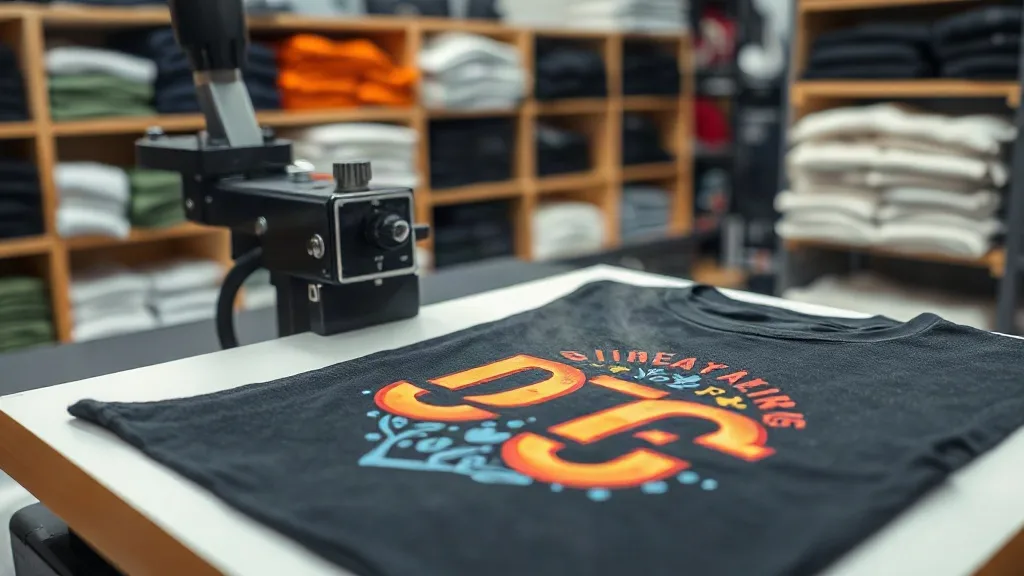
You've pressed your first dtf transfers and pulled the shirt off the platen, only to find the design already lifting at the edges. Or maybe it looked perfect, but after a few washes, fine cracks started spiderwebbing across the image. Frustrating, right? I've been there, and so has every other DTF printer at some point. The good news is that most adhesion and cracking problems trace back to a handful of controllable factors. In this guide, I'll walk you through the common culprits and how to fix them, drawing from real shop experience and the science behind dtf printing.
Why Adhesion Fails: The Usual Suspects
When a dtf transfer doesn't stick, it's rarely random. The adhesive powder needs to melt and flow into the fabric fibers, creating a mechanical bond. If anything interrupts that process, you get peeling or lifting. Let's break down the most common reasons.
1. Inadequate Pressure
Pressure is what pushes the melted adhesive into the fabric. If your press is set too light, the transfer might look attached, but it's only sitting on the surface. I recommend medium to heavy pressure, enough that you can see the fabric texture through the transfer after pressing. For most heat presses, that's around 40-60 PSI, but always test with your specific equipment.
2. Incorrect Temperature
Too low, and the powder won't fully melt; too high, and you risk scorching the adhesive or the fabric. Each powder has a recommended temperature range, typically 300-330°F (150-165°C). Use a heat gun or infrared thermometer to verify your press's actual platen temperature, because dials can be off by 10-20 degrees.
3. Insufficient Time
Time and temperature work together. If you're pressing at the lower end of the temperature range, you'll need more time. A common mistake is rushing the press cycle. For most dtf transfers, 10-15 seconds is standard, but check your transfer supplier's instructions.
4. Fabric Compatibility
Not all fabrics play nice with DTF. Smooth, tight-weave fabrics like 100% cotton and polyester work well. But rough textures, heavy canvas, or fabrics with a water-repellent finish can hinder adhesion. Also, blends with high spandex content may need extra care because the stretch can cause cracking if the bond isn't strong.
Preventing Cracking: It's About Flexibility
Cracking usually happens when the transfer can't move with the fabric. The adhesive and ink layers are relatively rigid compared to stretchy fabrics. Over time, repeated stretching causes the print to crack along stress points. Here's how to minimize it.
Choose the Right Powder
Not all DTF powders are created equal. Some are formulated for high elasticity, which is crucial for stretchy garments. If you're printing on performance wear or blends with elastane, use a flexible powder. I've seen shops switch to a high-elasticity powder and dramatically reduce cracking complaints.
Control the Powder Application
Too much powder creates a thick, brittle layer that cracks easily. Too little, and the adhesion suffers. You want a thin, even coating that covers the wet ink but doesn't pile up. Shake off excess powder gently before curing. A powder shaker with a fine mesh can help distribute it evenly.
Press with Precision
Over-pressing can flatten the ink and make it more prone to cracking. Use the lowest effective temperature and pressure that achieve good adhesion. Also, ensure even pressure across the platen; a worn press pad can cause uneven bonding.
Step-by-Step Troubleshooting Flow
When you encounter a problem, follow this sequence to isolate the cause.
- Check the fabric. Is it compatible? Try a test press on a known-good fabric to see if the transfer itself is faulty.
- Verify press settings. Use a thermometer to confirm temperature. Check pressure with a pressure gauge if available.
- Inspect the transfer. Look for inconsistencies in powder coverage or curing. A poorly cured transfer will never adhere properly.
- Adjust one variable at a time. Change temperature, then pressure, then time, and observe the results.
If you're sourcing transfers, consider trying dtf transfers near me from a local supplier who can provide consistent quality and quick turnaround. Local sources often offer better support and faster replacements if issues arise.
Real-World Example: The Case of the Peeling Edges
A few months ago, a shop owner reached out because his transfers kept peeling at the corners after washing. He was using a budget heat press with a worn silicone pad. We diagnosed the issue as uneven pressure: the pad was compressed in the center, so the edges received less force. After replacing the pad and increasing pressure slightly, the problem disappeared. This highlights the importance of maintaining your equipment.
Prevention Checklist for Every Press
Before you press a batch, run through this quick checklist to avoid common pitfalls.
- Pre-press the garment for 5-7 seconds to remove moisture.
- Ensure the transfer is at room temperature and dry.
- Use a Teflon sheet or protective paper over the transfer.
- Apply consistent pressure and check for cold spots.
- Peel cold for best adhesion (unless your transfer specifies hot peel).
- Post-press for a few seconds to set the bond.
Frequently Asked Questions
Why do my DTF transfers peel after washing?
Peeling after washing usually indicates incomplete adhesion. This can be due to insufficient pressure, low temperature, or too short a press time. It can also happen if the fabric was not pre-pressed to remove moisture, or if the transfer was applied to a fabric with a stain-resistant coating. Ensure your press settings are correct and always pre-press the garment.
How can I stop DTF prints from cracking?
Cracking is often caused by too much powder, over-pressing, or using a rigid powder on stretchy fabrics. Use a flexible powder designed for stretch, apply a thin even layer, and avoid excessive heat or pressure. Also, consider the fabric: high-stretch garments may need a specialized transfer.
What is the best temperature for DTF transfer application?
Most DTF transfers apply at 300-330°F (150-165°C) for 10-15 seconds. However, always follow the transfer supplier's recommendations, as powders and films vary. Verify your press temperature with an infrared thermometer for accuracy.
Can I use DTF transfers on nylon or waterproof fabrics?
DTF adhesion on nylon and waterproof fabrics can be challenging due to low surface energy. Some printers use a special adhesive powder or a primer, but results may vary. Always test on a small area first. For best results, stick to cotton, polyester, and blends.
How do I store DTF transfers to maintain quality?
Store transfers in a cool, dry place away from direct sunlight. Keep them flat or rolled, not folded, to prevent creasing. Humidity can affect the powder, so use a dehumidifier or sealed container if necessary. Proper storage ensures the transfer remains stable until pressing.