
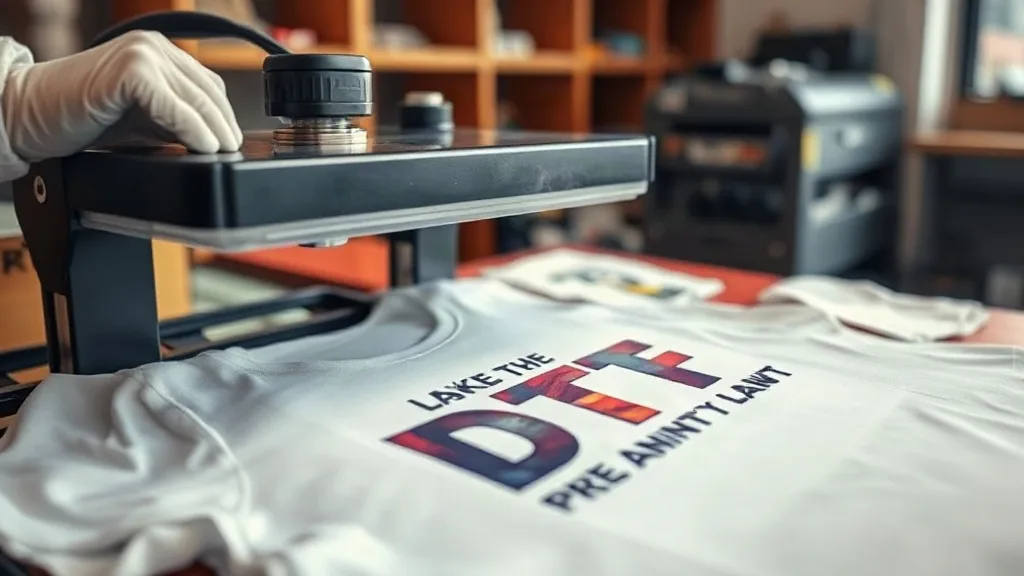
You've probably seen the excitement of pulling a fresh dtf transfers off the press, only to watch the design crack, fade, or peel after a few washes. It's frustrating, especially when you've invested in quality materials and followed the instructions. The truth is, most DTF problems aren't caused by faulty supplies or bad luck. They come from a handful of subtle mistakes that are easy to overlook, yet they make the difference between a print that lasts and one that fails.
In this guide, we'll walk through the most common pitfalls that even experienced decorators stumble into. You'll learn why they happen, how to spot them early, and the exact steps to fix them. Whether you're running a small shop or just starting with dtf, these insights will save you time, money, and a lot of wasted transfers.
Mistake 1: Ignoring Fabric Compatibility
DTF transfers are incredibly versatile, but they're not universal. One of the biggest mistakes is assuming any fabric will work. While DTF adheres well to cotton, polyester, and blends, it struggles with certain materials like nylon, silk, or heavily coated fabrics. If the fabric has a water-repellent finish or a slick surface, the adhesive won't bond properly, leading to peeling after the first wash.
Before you press, always test a small swatch. Check the fabric content label. If it's 100% polyester, you may need to lower the pressing temperature to avoid scorching or dye migration. For blends, adjust as needed. And remember, stretchy fabrics require a stretchable transfer, so use a DTF film designed for stretch.
How to test fabric compatibility
Press a small transfer onto an inconspicuous area, like the inside hem. Wait 24 hours, then try to peel it. If it lifts easily, the fabric isn't suitable. Also, wash the swatch to see how it holds up. This simple test prevents costly mistakes on final garments.
Mistake 2: Skipping the Pre-Press
You wouldn't paint a wall without cleaning it first, yet many people skip pre-pressing the garment before applying dtf transfers. Pre-pressing removes moisture, wrinkles, and surface contaminants that interfere with adhesion. Moisture is especially problematic: when the heat press hits a damp shirt, steam forms under the transfer, creating bubbles and weak spots.
Always pre-press the garment for 5-10 seconds at the recommended temperature. This step also flattens the fabric, ensuring even pressure. For thicker seams or pockets, use a pressing pillow to avoid uneven areas.
Mistake 3: Using the Wrong Pressure
Pressure is the silent killer of DTF prints. Too little pressure and the adhesive won't activate; too much and the transfer can shift, causing blurry edges or adhesive bleed. The right pressure depends on your press and the transfer size, but medium pressure is a good starting point. You should feel firm resistance when you pull the handle, but not so much that the press locks down with excessive force.
Invest in a pressure gauge or test with a pressure-sensitive paper. Consistent pressure across the platen is key. If your press has uneven spots, consider a heat press pad to distribute pressure evenly.
Mistake 4: Peeling at the Wrong Temperature
Peeling a DTF transfer while it's still hot is a classic error. The adhesive is still molten, and peeling too soon can stretch the design or leave residue. Always wait until the transfer is completely cool before peeling. This is called a cold peel. Some films are designed for hot peel, but most standard DTF films require cold peel for best results.
If you're in a hurry, use a cooling plate or a fan to speed up the process. But never rush it. Patience here means a crisp, clean edge.
Mistake 5: Neglecting Storage Conditions
DTF transfers are sensitive to environmental factors. Storing them in a humid garage or a hot car can ruin the adhesive. Humidity causes the film to absorb moisture, leading to bubbling during pressing. Heat can cause the adhesive to cure prematurely, making it useless.
Store transfers in a cool, dry place, ideally in a sealed bag with a desiccant pack. Keep them away from direct sunlight. If you buy in bulk, use them within six months for optimal performance.
How to store DTF transfers properly
Lay them flat or roll them loosely with the printed side out. Avoid stacking heavy objects on top. Label the date of purchase so you can rotate stock.
Mistake 6: Using the Wrong Heat Press Settings
Every DTF film has specific temperature, time, and pressure requirements. Using generic settings or guessing can lead to undercured or overcured transfers. Undercuring means the adhesive doesn't fully activate, causing peeling. Overcuring can make the film brittle or cause the ink to crack.
Always check the manufacturer's recommendations. As a rule of thumb, most DTF transfers press at 300-325°F (150-160°C) for 10-15 seconds with medium pressure. But verify with your supplier. Also, ensure your press is calibrated; a misread temperature can ruin prints.
If you're looking for reliable dtf transfers near me, choose a supplier that provides clear instructions and consistent quality. HighDTF offers detailed guides and support to help you dial in your settings.
Mistake 7: Ignoring the Peel Test
After peeling, don't assume the job is done. Perform a peel test: gently try to lift an edge. If it lifts, the transfer didn't adhere properly. This could be due to insufficient pressure, temperature, or time. Re-press for a few seconds to fix minor issues. For stubborn areas, use a Teflon sheet and re-press.
Also, check for adhesive residue around the design. If you see a shiny outline, you've likely over-pressed or used too much pressure, causing the adhesive to bleed. This residue attracts dirt and dulls the print.
Mistake 8: Washing Too Soon
You've pressed the perfect shirt, and you're eager to wear it. But washing immediately can ruin the print. Wait at least 24 hours before washing to allow the adhesive to fully cure. When washing, turn the garment inside out, use cold water, and avoid harsh detergents. Tumble dry on low or hang dry.
Following these care instructions extends the life of your dtf prints significantly.
Frequently Asked Questions
Why do my DTF transfers peel after washing?
Peeling usually results from insufficient pressure, incorrect temperature, or pressing on an incompatible fabric. Ensure you pre-press the garment, use medium pressure, and follow the film's recommended settings. Also, wait 24 hours before washing.
Can I use DTF transfers on nylon or silk?
DTF transfers are not recommended for nylon, silk, or heavily coated fabrics because the adhesive may not bond properly. Always test a swatch first. For these materials, consider alternative decoration methods.
How do I prevent my DTF prints from cracking?
Cracking often occurs due to overcuring or stretching the transfer while peeling. Use the correct temperature and time, and always cold peel. Also, choose a DTF film designed for stretch fabrics if needed.
What's the best way to store unused DTF transfers?
Store them in a cool, dry place away from sunlight. Keep them in a sealed bag with a desiccant pack to prevent moisture absorption. Use within six months for best results.
Do I need a special heat press for DTF transfers?
Any heat press that can maintain consistent temperature and pressure works. However, a press with a digital display and pressure gauge is ideal for precision. Avoid using household irons, as they don't provide even pressure.