
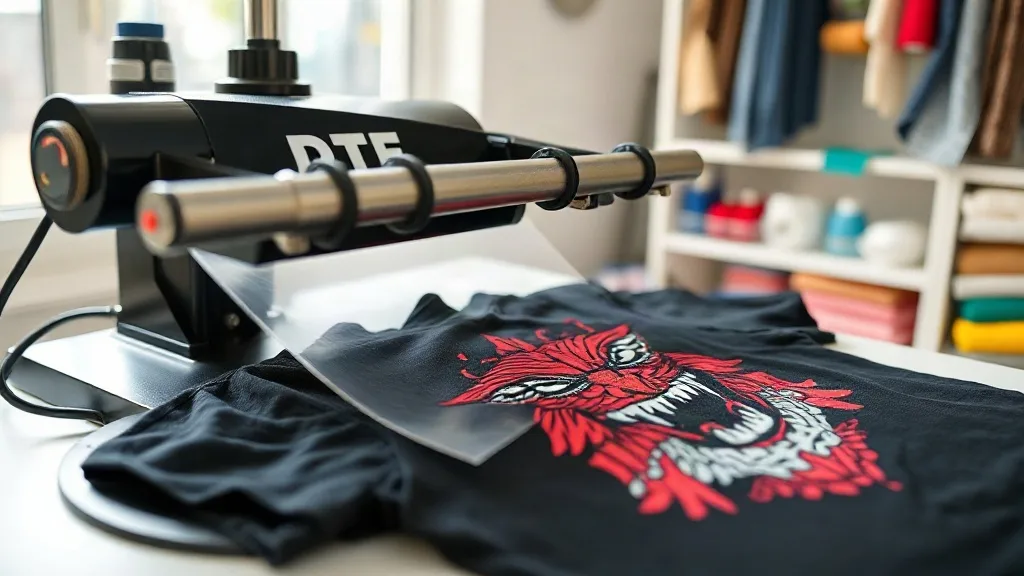
If you've ever wanted to create custom t-shirts, hoodies, or tote bags with intricate, full-color designs, you've likely encountered the term dtf transfers. This innovative printing method has taken the apparel decoration world by storm, offering a level of detail and durability that was once hard to achieve. Whether you're a small business owner looking to expand your product line, a hobbyist exploring new crafting techniques, or someone searching for dtf transfers near me to bring a personal project to life, understanding DTF technology is your first step toward stunning results.
What Are DTF Transfers?
DTF stands for Direct-to-Film. It's a printing process where your design is printed onto a special transfer film using water-based pigments. Once printed, a hot-melt adhesive powder is applied to the wet ink, and the film is cured. The result is a ready-to-press transfer that can be applied to a wide range of fabrics using a heat press. Unlike DTG (Direct-to-Garment) printing, which requires the garment to be pre-treated and printed directly, dtf transfers are produced separately and then transferred, giving you more flexibility and consistency.
The DTF Printing Process Step by Step
To appreciate the value of DTF, it helps to understand how it works. Here's a breakdown of the process:
- Design Preparation: Your artwork is prepared digitally, ensuring it's mirrored and properly sized.
- Printing: A specialized DTF printer lays down a layer of white ink followed by color inks onto a PET film. This white ink base is crucial for vibrant colors on dark fabrics.
- Powder Application: While the ink is still wet, a hot-melt adhesive powder is sprinkled evenly over the design. The excess powder is shaken off.
- Curing: The film passes through a curing oven or under a heat source to melt the powder, creating a flexible, durable adhesive layer.
- Transfer: The cured film is placed on the fabric and pressed with a heat press at a specific temperature and pressure. After cooling, the film is peeled away, leaving the design bonded to the fabric.
This multi-step process might seem complex, but it's what gives DTF transfers their remarkable ability to adhere to cotton, polyester, blends, and even some treated nylons.
Why Choose DTF Transfers for Your Projects?
DTF transfers offer several compelling advantages over other decoration methods. Here are the key benefits that make them a favorite among professionals and hobbyists alike.
Vibrant, Full-Color Designs on Any Fabric
One of the biggest selling points of DTF is its ability to produce bright, detailed prints on dark and light fabrics without the need for multiple screens or pre-treatment. The white ink layer acts as a foundation, ensuring colors pop even on black or navy garments. This makes DTF ideal for complex gradients, photographic images, and fine details that might get lost with other methods.
Durability and Wash Resistance
When applied correctly, DTF transfers are incredibly durable. They resist cracking, peeling, and fading even after repeated washing. The hot-melt adhesive creates a strong bond with the fabric fibers, allowing the print to stretch and move with the garment without compromising the design. This longevity is especially important for items that will see heavy use, like workwear or sports jerseys.
Cost-Effective for Small and Large Runs
Unlike screen printing, which requires separate screens for each color and becomes costly for small batches, DTF transfers are economical for both short and long runs. There's no minimum order quantity, and the per-unit cost remains consistent whether you need one transfer or one hundred. This makes DTF perfect for on-demand printing, personalized gifts, and sampling new designs without a large upfront investment.
Versatility Across Materials
DTF transfers adhere to a wide range of materials, including cotton, polyester, cotton-poly blends, linen, and even some synthetic fabrics like nylon. This versatility opens up possibilities for decorating everything from t-shirts and hoodies to canvas bags, caps, and denim jackets. The only caveat is that fabrics with special coatings or water-repellent finishes may require testing to ensure proper adhesion.
Applications of DTF Transfers
The flexibility of DTF technology means it's used in numerous industries and creative endeavors. Here are some common applications:
- Custom Apparel: T-shirts, hoodies, sweatshirts, and polo shirts with detailed logos or artwork.
- Sportswear and Team Uniforms: Names, numbers, and team logos that withstand rigorous activity and washing.
- Promotional Items: Tote bags, hats, and aprons for events and marketing.
- Home Decor: Personalized pillows, curtains, and fabric wall art.
- Fashion and Boutique Clothing: Small-batch designer pieces with unique prints.
Whether you're a startup clothing brand or a DIY enthusiast, DTF transfers provide a professional finish that elevates your creations.
How to Source Quality DTF Transfers
Finding reliable DTF transfers is crucial to ensure your finished products meet your standards. Here are some tips for sourcing quality transfers, whether you're looking for dtf transfers near me or ordering online.
Check the Printer and Ink Quality
The quality of the transfer depends heavily on the printer, inks, and film used. Look for suppliers who use commercial-grade DTF printers and high-quality water-based pigments. Inferior inks can lead to faded colors, poor adhesion, and premature fading. Don't hesitate to ask about the materials and equipment used.
Look for Consistent White Ink Laydown
A proper white ink base is essential for vibrant colors on dark fabrics. A good supplier will ensure an even, opaque white layer without gaps or excessive thickness. You can often request sample prints to evaluate the white ink quality before committing to a larger order.
Evaluate the Powder and Curing Process
The adhesive powder and curing method significantly affect durability. Well-cured transfers have a smooth, slightly glossy finish and should not have loose powder. Poorly cured transfers may crack or fail to adhere properly. Reading reviews or asking for samples can help you assess this aspect.
Consider Turnaround Time and Shipping
If you're in a hurry, local suppliers or those with fast shipping are preferable. When searching for dtf transfers near me, you might find local print shops that offer quick turnaround and the ability to discuss your needs in person. Online suppliers often provide faster production but may have shipping delays, so plan accordingly.
Read Reviews and Ask for Recommendations
The DTF community is active and helpful. Join online forums or social media groups to get recommendations from other users. Reviews can give you insight into a supplier's reliability, print quality, and customer service. A supplier with a strong reputation is more likely to deliver consistent results.
Tips for Applying DTF Transfers Successfully
Even with high-quality transfers, application technique matters. Here are some best practices to ensure a flawless finish:
- Pre-press the garment: This removes moisture and wrinkles, providing a smooth surface for the transfer.
- Use the right temperature and pressure: Follow the transfer supplier's recommendations. Typically, temperatures range from 300°F to 340°F (150°C to 170°C) with medium to firm pressure.
- Peel correctly: Most DTF transfers are cold peel, meaning you should wait until the transfer is completely cool before peeling the film. Peeling too soon can cause the design to lift or distort.
- Post-press for durability: After peeling, a second press for a few seconds can improve adhesion and wash resistance.
Practice on scrap fabric first to dial in your heat press settings. Each press may vary slightly, so a test run is always wise.
Frequently Asked Questions About DTF Transfers
What is the difference between DTF and DTG printing?
DTF (Direct-to-Film) involves printing onto a film, powdering, curing, and then transferring to fabric. DTG (Direct-to-Garment) prints directly onto the garment, which often requires pre-treatment. DTF works on more fabric types and doesn't require pre-treatment, while DTG is typically limited to cotton and requires careful handling.
Can I use DTF transfers on polyester?
Yes, DTF transfers adhere well to polyester and polyester blends. The low-temperature application makes them suitable for heat-sensitive fabrics. However, always test a small area first, as some polyester fabrics with special finishes may require adjustment in temperature or pressure.
How long do DTF transfers last?
When applied correctly and cared for properly, DTF transfers can last as long as the garment itself. They resist cracking, peeling, and fading through many wash cycles. Following the wash instructions (inside out, cold water, no bleach) will maximize longevity.
Where can I find DTF transfers near me?
To find local suppliers, try searching online for "dtf transfers near me" or check with local print shops and craft stores. Many online retailers also offer fast shipping, so you can order from the comfort of your home. Reading reviews and asking in community groups can point you to reliable sources.
Do I need a special heat press for DTF transfers?
A standard heat press capable of maintaining consistent temperature and pressure will work for DTF transfers. You don't need a DTF-specific press, but you do need to follow the recommended settings for temperature, pressure, and time. A clamshell or swing-away press is suitable.
DTF transfers have revolutionized custom apparel decoration with their versatility, durability, and vibrant results. By understanding the process and sourcing quality transfers, you can unlock a world of creative possibilities for your business or hobby. Whether you're searching for dtf transfers near me or exploring online options, the right transfers will help you bring your designs to life with professional flair.