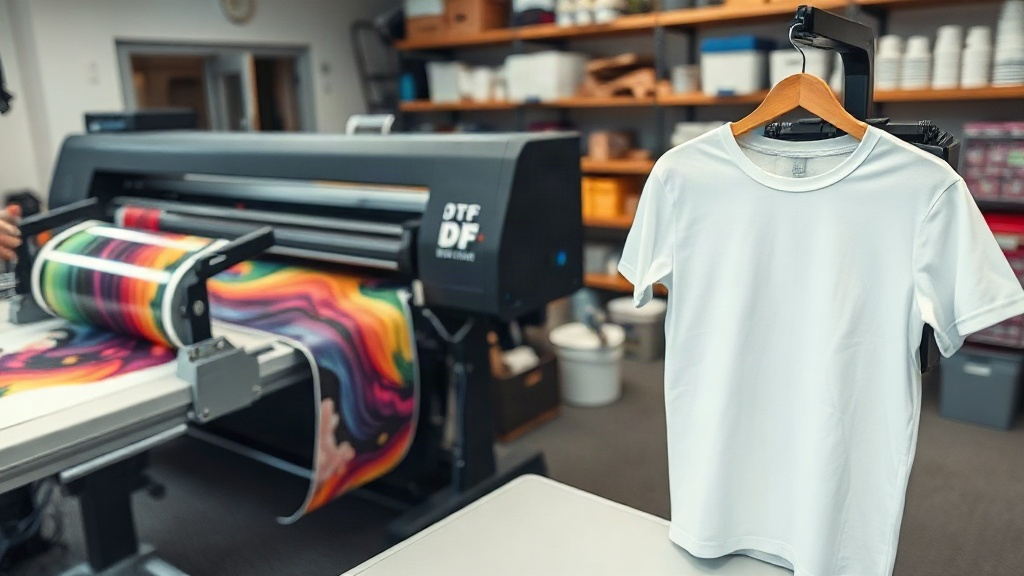
If you have been searching for DTF printing solutions, you already know how convenient it is to order online. But sometimes, you need a physical store you can visit, a provider who understands your local market, or a quick turnaround that shipping just cannot match. That is why so many business owners and hobbyists type "DTF transfers near me" into their search engines. The results can be overwhelming, though. How do you know which local provider is worth your money? In this guide, I will walk you through the key factors to consider, the questions to ask, and the signs of a high-quality DTF shop.
Understanding DTF Transfers
Before you start comparing local providers, it helps to understand what makes a great DTF transfer. DTF stands for Direct to Film. The process involves printing your design onto a special PET film using a DTF printer. Then, an adhesive powder is applied to the wet ink, and the film is cured. The result is a transfer that can be pressed onto a wide range of fabrics, including cotton, polyester, blends, and even some hard surfaces. Unlike screen printing, DTF allows for vibrant colors, intricate details, and no minimum order quantities. That is why it has become a favorite among custom apparel businesses.
Why Search for a Local Provider?
When you look for DTF transfers near me, you are not just avoiding shipping costs. There are several practical benefits. You can see the quality firsthand, feel the texture of the transfer, and even test a sample on the spot. You can build a relationship with the printer, which often leads to better pricing and faster service. And if an order goes wrong, you can walk into the store and get it fixed. These advantages are hard to replicate with an online-only business.
How to Evaluate a Local DTF Provider
Not every local shop that advertises DTF transfers is created equal. Here is what you should look for:
1. Portfolio and Samples
A reputable provider will have a portfolio of their work. Ask to see samples of DTF transfers they have produced. Look for sharp edges, vibrant colors, and a smooth finish. The adhesive layer should be even, and the film should not have any bubbles or wrinkles. If they hesitate to show you samples, that is a red flag.
2. Equipment and Technology
Visit their facility if possible. Are they using professional-grade DTF printers and heat presses? Do they have a clean, organized workspace? The equipment matters because it directly affects the quality of the transfer. A shop that uses outdated or poorly maintained machines will likely produce subpar results.
3. Range of Services
A full-service provider will offer more than just printing. They should be able to help with file preparation, color matching, and even provide advice on which film and adhesive are best for your specific needs. Some local shops also offer white toner printing for dark garments, which is a valuable feature to have.
4. Turnaround Time
In the custom apparel business, time is money. Ask about their turnaround time for standard and rush orders. A reliable local provider should be able to deliver in 2 to 3 business days for standard orders, and often within 24 hours for urgent ones. Make sure they communicate clearly about timelines and any potential delays.
5. Pricing Structure
While price should not be the only factor, it is important to compare. Some providers charge per square foot, others per transfer. Ask for a quote based on your specific design and quantity. Be wary of prices that seem too low, as they often indicate low-quality materials or rushed work. A good rule of thumb is to get quotes from at least three local providers and compare the value, not just the price.
Questions to Ask Before Ordering
When you contact a potential DTF transfers near me provider, come prepared with a list of questions. This will help you assess their expertise and customer service:
- What type of PET film do you use? (Matte or glossy, thickness, etc.)
- Do you use high-quality inks and powder? (Pigment inks are preferable for color vibrancy.)
- Can you print white base layers? (Crucial for dark fabrics.)
- What is the maximum print size? (Some designs may be too large for standard printers.)
- Do you offer any warranty or guarantee? (If a transfer fails to stick, will they replace it?)
- Can you provide a proof before printing? (Visual confirmation of the design placement and colors.)
Red Flags to Avoid
Just as there are great local providers, there are also those that may not deliver quality. Here are some warning signs to watch for:
- They cannot or will not show you physical samples.
- Their prices are significantly lower than the market average, often with hidden fees.
- They promise unrealistically fast turnaround times, like same-day for complex orders.
- They are vague about their equipment or processes.
- They use only generic, low-quality films that crack or peel after a few washes.
Benefits of Choosing a Local Provider Over an Online One
While online DTF transfers services can be convenient, they come with downsides. You cannot inspect the quality before paying, shipping times add to your lead time, and if there is an issue, resolving it can be a hassle. Local providers offer personal interaction, immediate feedback, and the ability to see and touch the final product. For businesses that rely on consistent quality and quick restocks, having a trusted local partner is invaluable.
How to Make the Most of Your Local DTF Transfers
Once you have found a reliable local provider, there are ways to ensure you get the best results:
Prepare Your Files Properly
The quality of the transfer starts with your artwork. Make sure your files are high-resolution, at least 300 DPI. Use vector formats like AI, PDF, or SVG for logos and text. If you are using PNG, ensure the background is transparent. A good provider will help you with file preparation, but it is wise to have a basic understanding.
Test with a Small Batch
Before committing to a large order, order a small batch of test transfers. This allows you to evaluate the color accuracy, durability, and overall look. You can test on different fabrics to see how they hold up after washing. This step can save you from costly mistakes.
Communicate Clearly
When you place an order, be specific about your requirements. Mention the fabric type, the desired placement, and any special instructions. Clear communication reduces the risk of errors and ensures that the final product meets your expectations.
Cost Considerations
The cost of DTF transfers can vary widely depending on the provider, the complexity of the design, and the quantity. On average, you can expect to pay between $0.50 and $3.00 per transfer for standard sizes. Larger or more complex transfers will cost more. Some providers offer volume discounts, so if you are ordering in bulk, negotiate a better price. Remember, the cheapest option is not always the best. A slightly higher price often translates to better quality and durability.
Case Study: Finding a Local Provider in a Small Town
Let me share a real-life example. A friend of mine started a small custom T-shirt business in a rural area. He initially ordered DTF transfers from a popular online service. The first few batches were fine, but then his orders started coming with slight color shifts, and the adhesive was not sticking well to cotton. Customer service was slow to respond. Frustrated, he searched for "DTF transfers near me" and found a local print shop just 20 miles away. He visited the shop, talked to the owner, and saw the printing process in action. He ordered a test batch of 20 transfers. The quality was superior, the colors were vibrant, and the owner even gave him tips on how to improve his designs. Since then, he has never looked back. His turnaround time has dropped from 10 days to 2 days, and he has saved on shipping costs. This story illustrates the tangible benefits of supporting local businesses.
Frequently Asked Questions
What are DTF transfers?
DTF transfers are pre-printed designs on a special film that you can press onto fabric using a heat press. They are known for their versatility, vibrant colors, and ability to print on many fabric types. Unlike screen printing, there is no minimum order, making them ideal for small batches and custom jobs.
How long do DTF transfers last?
When applied correctly and cared for properly, DTF transfers can last for many washes. The key factors are the quality of the materials used and the heat press process. A high-quality transfer should withstand 50 or more washes without cracking or fading. Always follow the care instructions, such as washing inside out and avoiding high heat in the dryer.
Can I use DTF transfers on any fabric?
Yes, DTF transfers work on a wide range of fabrics, including cotton, polyester, nylon, and blends. They are also suitable for some hard surfaces like mugs or wood, but you need to use the appropriate adhesive and press settings. Always test on a small area first to ensure compatibility.
What is the difference between DTF and DTG?
DTF (Direct to Film) prints onto a film first and then transfers to fabric with heat and pressure. DTG (Direct to Garment) prints directly onto the fabric using a specialized printer. DTF is more versatile for different fabric types and colors, and it allows for pre-printing, which speeds up the production process. DTG, on the other hand, is best for cotton and offers a softer feel.
How do I find a reliable DTF transfers provider near me?
Start by searching online for "DTF transfers near me" and look for customer reviews. Check their social media pages for recent work. Visit the shop if possible, ask for samples, and evaluate their equipment and processes. Word of mouth is also powerful, so ask other local businesses who they use. Take your time to compare options before making a decision.
Final Thoughts
Finding a trustworthy DTF transfers near me provider does not have to be a gamble. By understanding what makes a quality transfer, asking the right questions, and visiting potential shops, you can secure a partner that will help your business thrive. The local connection offers benefits that online services cannot match, from immediate quality checks to personalized service. So, take the time to research, test, and build a relationship. Your custom apparel projects will thank you.